Dubai
English
Request a call




Book




Changes in appearance rarely happen suddenly and without warning. More often, they creep in gradually, accumulate day by day, and suddenly become noticeable in the mirror’s reflection. Firmness fades, the texture becomes uneven, tone decreases, and the reason is far from always related to diet or activity level. In many cases, the cause lies deeper, in the internal processes of the body. Symptoms of hormonal changes manifest not only as mood swings or fatigue, but also externally — primarily through the condition of the skin and the appearance of cellulite.
The female body is especially sensitive to such fluctuations. Symptoms of hormonal changes in women often include dryness or, conversely, a tendency to swelling, slowed tissue renewal, and impaired microcirculation. As a result, the surface of the body loses its smoothness and density, and localized fat deposits form faster than before. What is most surprising is that habitual diet and physical activity levels may remain unchanged, which makes what is happening seem inexplicable and raises reasonable questions.

How hormones affect the skin and body contour
Collagen, elastin, and hyaluronic acid are directly dependent on hormonal balance. When this balance shifts, the skin becomes thinner, retains moisture worse, and recovers more slowly. At the same time, the structure of subcutaneous fat tissue changes: the septa become denser, blood flow slows down, and conditions are created for the development of cellulite. This is why even at a normal weight, the body can look less toned. Hormonal changes in women are not a pathology, but a natural process associated with age, stress, pregnancy, or cycle phases. The task of modern aesthetic medicine is not to “fight” the body, but to help it adapt and maintain external balance.Why home care does not always deliver results
Creams, massages, and intense workouts work on the surface: they improve appearance but rarely affect deep mechanisms. With hormonal fluctuations, tissues need more precise stimulation — the kind that restores microcirculation, reduces stagnation, and returns density to structures. This is where device-based techniques come to the forefront, capable of working at different depths. Equipment does not replace natural processes, but gently triggers them, helping the body return to a resourceful state.
Device-based techniques as a solution
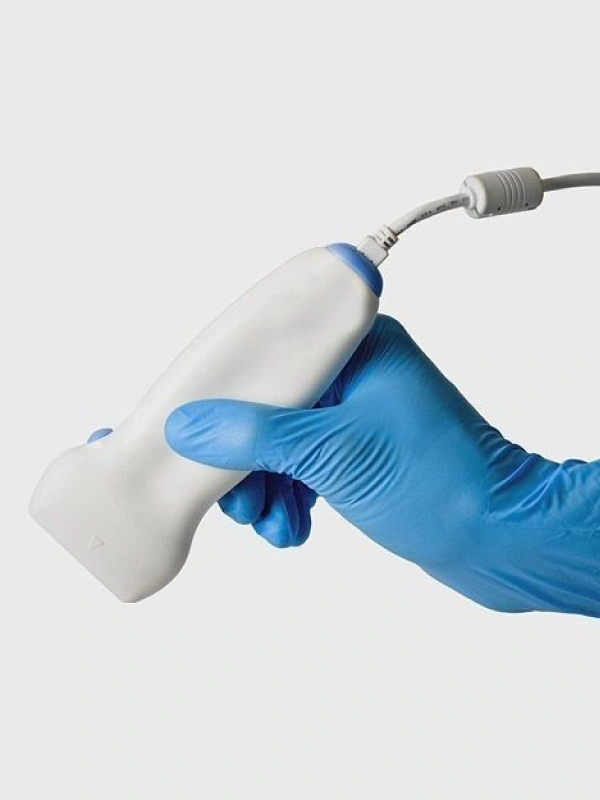
Modern clinics use several proven technologies, each addressing its own part of the problem. Together, they produce results that look natural and last longer.- Endosphere therapy — a method of compressive microvibration aimed at actively improving lymphatic drainage and blood supply. Rhythmic воздействие stimulates blood vessels, reduces fluid stagnation, and lowers pressure in tissues, which directly affects the visibility of cellulite. An additional effect of the procedure is increased elasticity and a feeling of lightness, especially in areas prone to swelling.
- Icoone laser — a technology of targeted vacuum stimulation with a laser component, allowing work with tissues with maximum precision. The laser enhances microcirculation and metabolism, while the vacuum gently activates deep layers without causing trauma. The method is suitable for sensitive areas and helps improve texture, density, and visual smoothness of the skin.
- Indiba — a radiofrequency method that triggers natural recovery processes at the cellular level. Controlled heat accelerates collagen synthesis and improves energy exchange in tissues, which increases density, evens out the contour, and strengthens the skin framework.

What enhances the effect of procedures
Device-based techniques deliver maximum results when the body does not work “against” the procedure. Support outside the specialist’s office allows tissues to reorganize faster and retain the achieved changes:- Stable sleep routine: night rest directly affects the production of hormones responsible for tissue recovery. With regular sleep deprivation, cell renewal slows down, the tendency to swelling increases, and the response to device-based exposure worsens.
- Adequate water intake: without proper hydration, the lymphatic system works slowly, and metabolic byproducts are retained in tissues. Water helps maintain the drainage effect and reduces the risk of repeated densification of problem areas.
- Moderate physical activity: calm, balanced loads enhance blood circulation and help maintain tissue mobility. Excessive training, on the contrary, increases cortisol levels and minimizes the effect of procedures.
- Reduction of chronic stress: constant tension affects hormonal balance and skin quality. Even simple relaxation techniques help the body adapt to changes faster and maintain results.
- Regularity of procedures: device-based techniques work cumulatively. Strict adherence to intervals allows tissues to reorganize gradually, making the result more stable and predictable.

Real results without extremes
When the hormonal background is unstable, chasing quick results rarely brings benefit. The best recovery approach is one that takes internal processes into account and works with the cause rather than the external manifestation. Device-based techniques help improve skin condition, reduce the appearance of cellulite, and restore a sense of being well-groomed. The ideal figure is an individual concept. For some, it is firmness; for others, an even contour and self-confidence. Modern technologies make it possible to move toward this state calmly, without pressure or aggressive interventions, supporting the body during periods of hormonal change and helping it look harmonious.
Fill out the form to book your consultation.
Your personal manager will contact you within 10 minutes and arrange a convenient time for your visit.