







Swelling, blurred contours, a feeling of “fullness,” and slow recovery after exertion rarely appear suddenly. More often, such changes develop gradually, against the background of subtle internal processes in the body. One of the key factors is impaired lymph circulation, when the natural outflow of fluid slows down and tissues begin to retain excess volume. Externally, this is expressed not only through visual changes but also through a decrease in overall bodily comfort.
The lymphatic system functions simultaneously as a drainage and filtration mechanism. It removes metabolic byproducts, participates in immune responses, and maintains fluid balance. When this mechanism malfunctions, tissues literally become “congested,” metabolic processes lose their dynamics, and the skin becomes less elastic. In this state, the body responds worse even to proper nutrition and physical activity.
Lymph circulation: why body shape and well-being depend on it
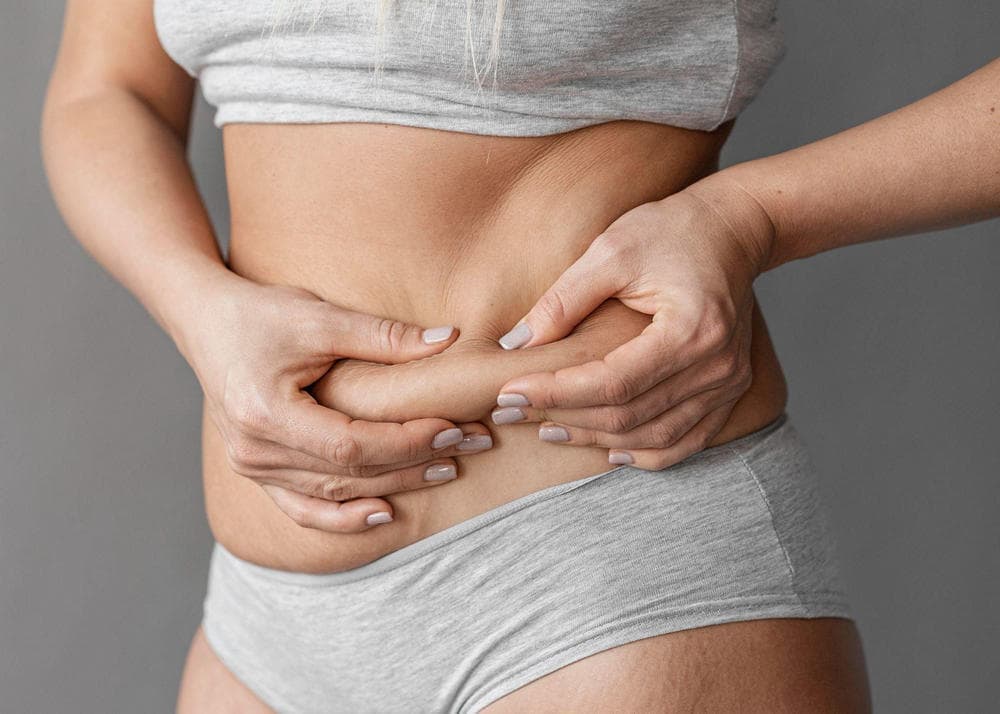
Under normal conditions, lymph circulation ensures the constant movement of fluid from the tissues to the lymph nodes. This process does not have its own “pump,” so it largely depends on muscle activity, breathing, and the condition of blood vessels. A sedentary lifestyle, stress, and hormonal fluctuations quickly affect how the system functions. One of the characteristic signals is a feeling of heaviness in the abdomen, which intensifies in the evening or after prolonged sitting. This is often accompanied by body swelling, especially in the areas of the thighs, abdomen, and lower back. These manifestations are rarely directly related to excess weight — much more often, the cause lies precisely in slowed lymph flow.Why common methods do not always work
Diet and exercise remain important, but in cases of pronounced congestion, their effect may be insufficient. Tissues with poor microcirculation are slow to engage in metabolic processes, and fluid is retained even with a calorie deficit. In such situations, external stimulation is required — something capable of “nudging” the system and triggering natural recovery processes. The goal is not aggressive intervention, but a gentle and controlled activation of lymphatic drainage. This is exactly the approach used by modern device-based technologies.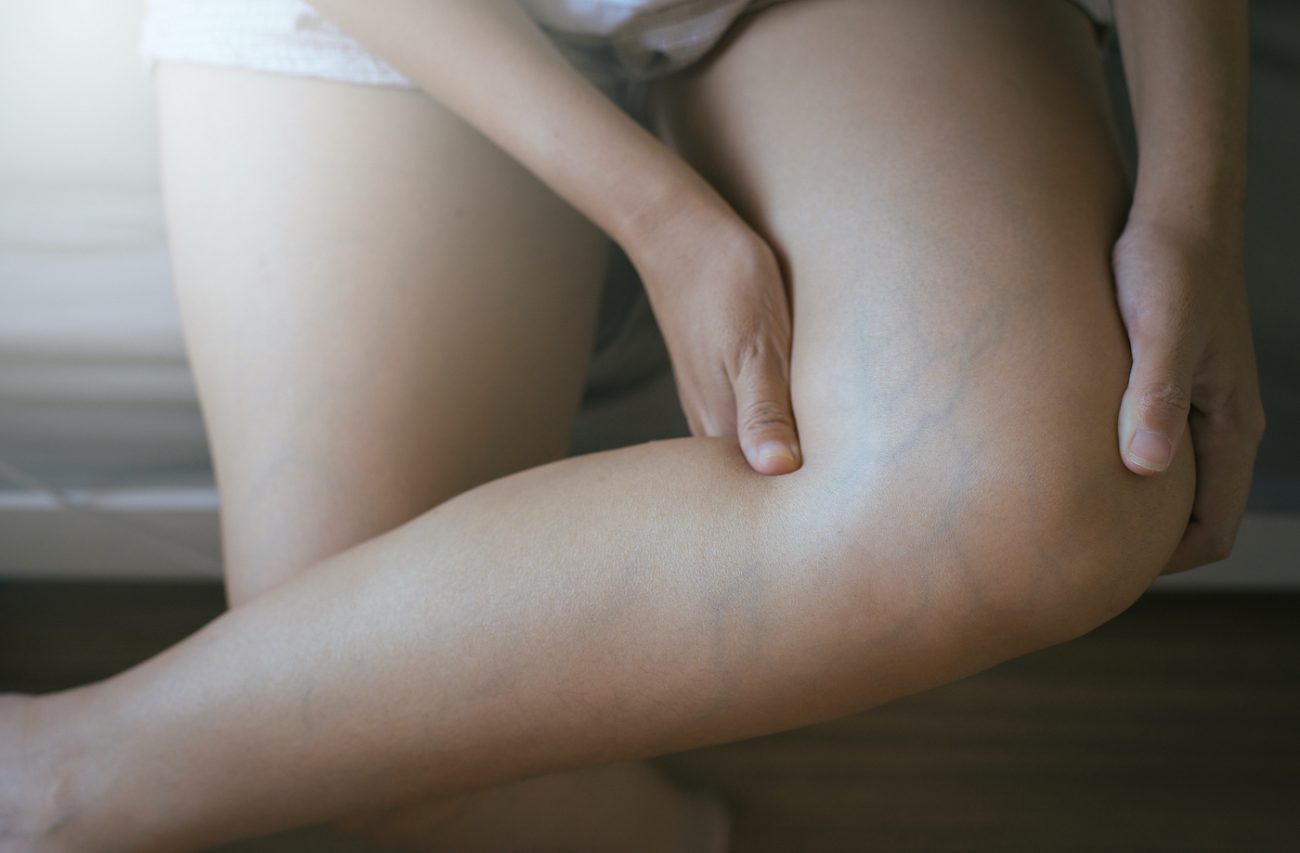
Device-based equipment as a solution to the problem
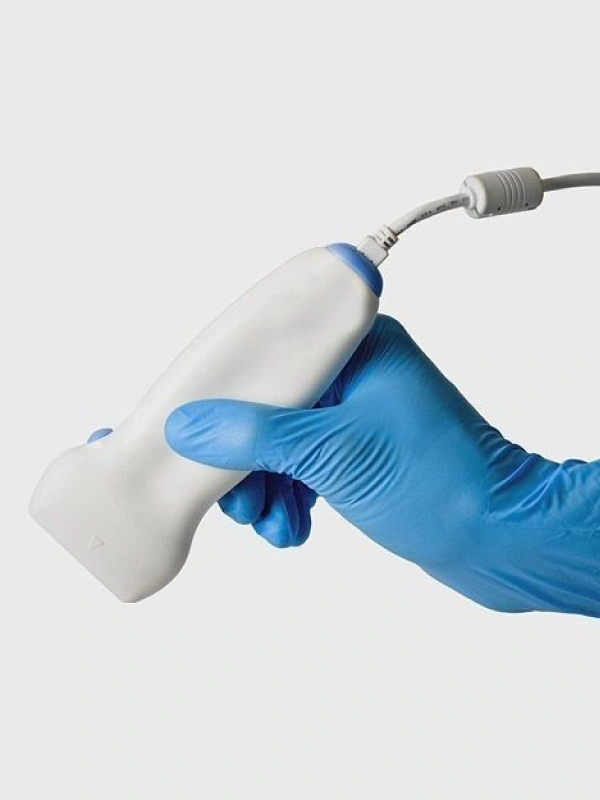
Modern techniques work in a targeted manner and penetrate deeper than manual methods, allowing several tissue levels to be addressed at once. The devices set a precisely calibrated force, rhythm, and depth of impact, so the body engages without stress, while changes look natural and build up gradually. Below are the technologies most commonly used in comprehensive programs. Each of them addresses a specific task, and in combination they enhance each other’s effects and make the results more stable.- Endosphere therapy. Compression microvibration initiates active movement of lymph and blood in areas with slowed metabolism. The method reduces tissue density, decreases fluid stagnation, and helps “soften” areas that have long remained unresponsive to care. As a result, the body begins to respond faster to procedures, and the effect of the course lasts longer without a sharp return of swelling.
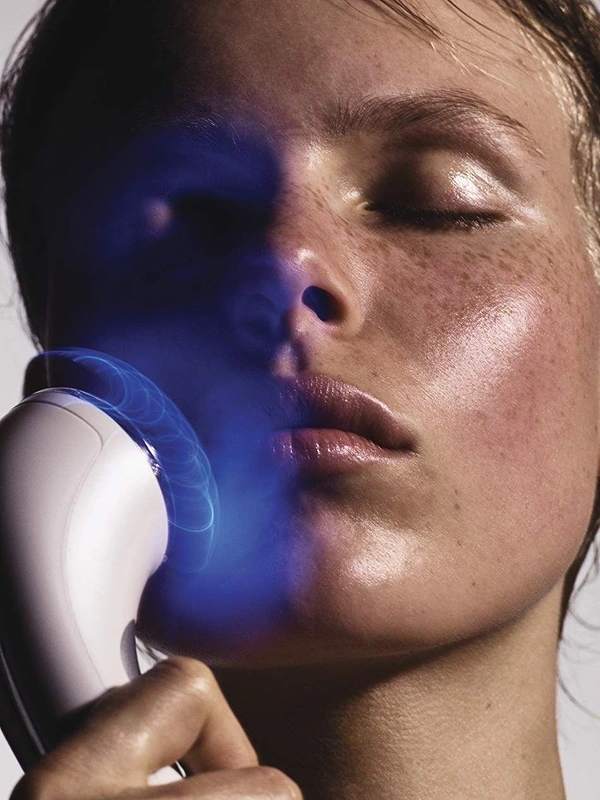
- Icoone laser. The combination of vacuum action and laser stimulation makes it possible to work with tissues precisely and safely. The technology improves microcirculation, evens out skin texture, and activates lymphatic drainage even in delicate areas. This approach is especially valuable where it is important to maintain comfort and avoid aggressive pressure while preserving sufficient depth of impact.
- Indiba. This radiofrequency method enhances cellular metabolism and improves tissue respiration. As a result, cells eliminate metabolic byproducts more quickly, and tissues retain tone better. The procedure not only supports the effects of lymphatic drainage techniques but also helps the body adapt to changes, reducing the risk of recurrent fluid stagnation.
Ways to improve results in everyday life
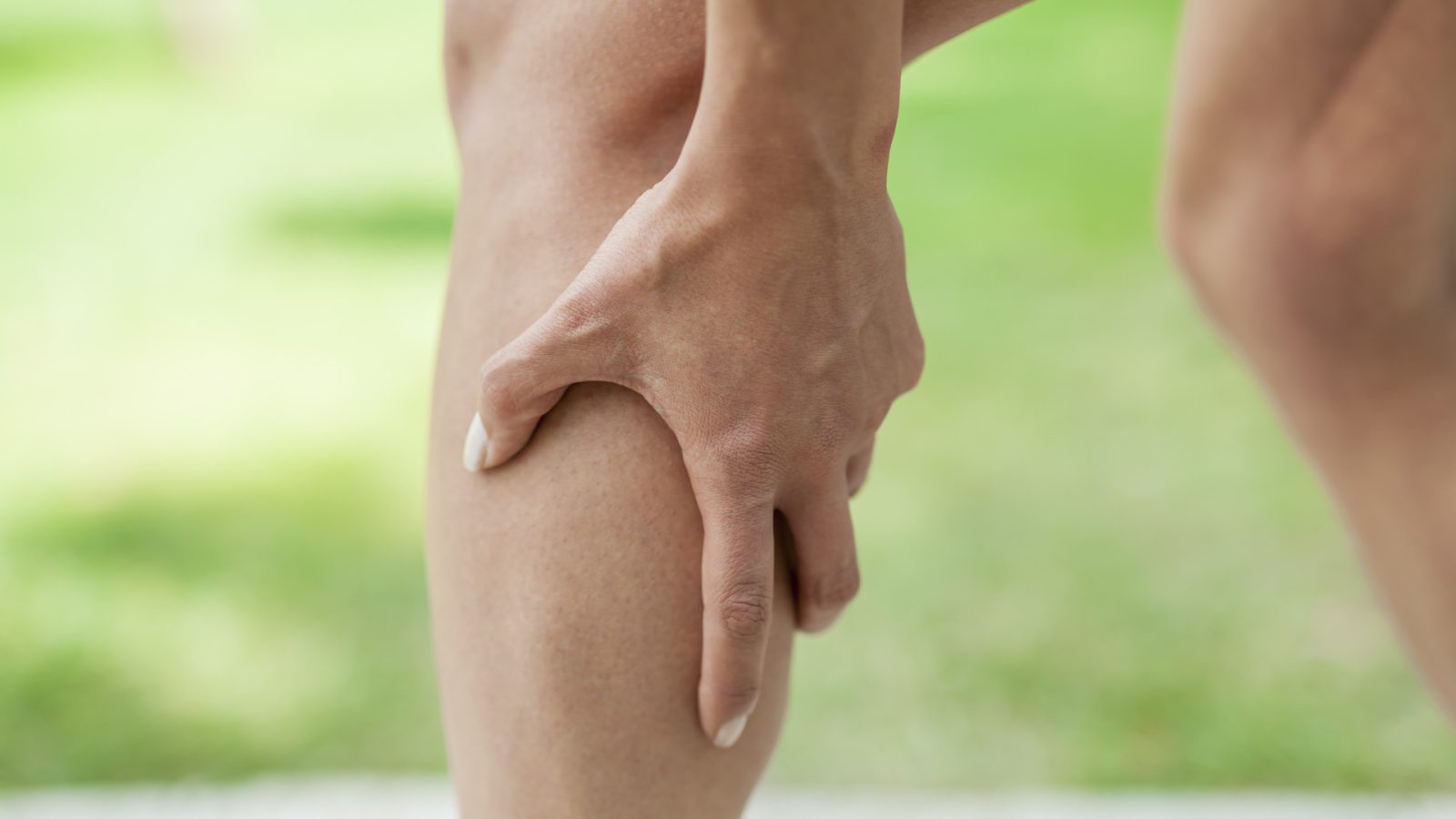
Even the most effective devices work better when the body receives support from daily habits. Below are basic ways to enhance tissue response and maintain the effects of procedures: this is not about strict restrictions, but about reasonable routines.- A sufficient drinking regimen creates conditions for free lymph movement and timely removal of metabolic byproducts. When fluid intake is insufficient, tissues stagnate more quickly, and the effect of device-based treatments may weaken within just a few days. Regular movement throughout the day reduces the risk of localized congestion and supports natural lymph flow. Even short breaks for light stretching, changing body position, or a calm walk help preserve results between sessions.
- Moderate physical activity enhances the effect of procedures without placing excessive strain on the body. Calm, rhythmic exercise allows tissues to adapt to changes and makes the response more stable. Reducing chronic stress also plays a significant role: hormonal balance and vascular condition directly affect the body’s ability to eliminate excess fluid. In a calmer state, the body recovers faster and retains the effects of device-based methods more easily.
- Following the recommended frequency of procedures helps maintain cumulative results. Long breaks slow the process, whereas consistency allows the body to “lock in” the new state and preserve it longer without setbacks. With this approach, changes appear more stable and natural, and the feeling of lightness lasts much longer.
Conclusion: how restoring lymph flow transforms the body
Working with the lymphatic system is not about quick fixes, but about properly tuning internal processes. When fluid outflow is restored, swelling decreases, the feeling of heaviness subsides, and the body begins to look lighter and more defined. Device-based technologies make it possible to initiate these changes gently and predictably, making body care truly effective and mindful.