


Dubai
English
Request a call












Injuries of the gastrointestinal tract are a serious challenge both for patients and for clinicians. Damage to the stomach, intestines, or esophagus often affects digestion, nutrient absorption, and overall quality of life. In recent years, more attention has been given to regenerative approaches that support natural healing processes. One of the compounds frequently discussed in this context is what is tb 500 and how it may be connected to tissue repair and recovery in complex internal injuries.
Understanding gastrointestinal soft tissue injuries
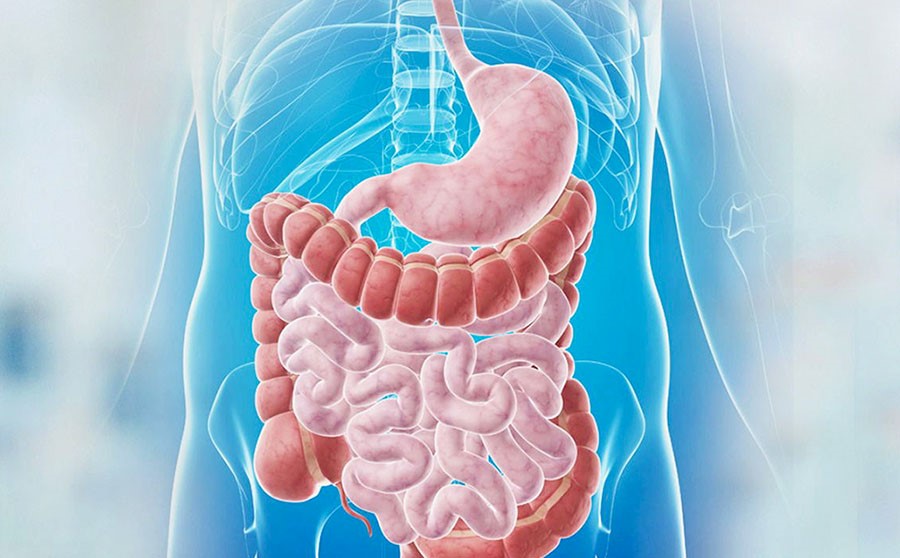
Before discussing any regenerative compounds, it is important to understand what happens when soft tissues in the gastrointestinal tract are injured. Such injuries may result from surgery, inflammatory bowel conditions, ulcers, trauma, or chronic stress on the digestive system. The gastrointestinal lining renews itself rapidly, but severe or repeated damage can overwhelm this natural capacity. Patients often face persistent pain, bleeding, impaired digestion, and long recovery periods.- post-surgical complications such as delayed wound closure;
- chronic inflammation that disrupts normal tissue regeneration;
- scar tissue formation that reduces elasticity and function;
- higher risk of infection due to compromised mucosal barriers.
Biological role of TB-500 in tissue regeneration
To understand how regeneration may be supported, it helps to look at the biological background of tb-500. This peptide is a synthetic version of a naturally occurring fragment of thymosin beta-4, a protein involved in cell migration and tissue repair. In laboratory and preclinical studies, thymosin-related peptides have been shown to influence actin dynamics, which are essential for cell movement and wound healing. This mechanism is especially relevant in tissues that must regenerate quickly, such as the gastrointestinal lining.- promotion of cell migration toward damaged areas;
- support of new blood vessel formation;
- reduction of excessive inflammatory responses;
- improvement of tissue flexibility during healing.
Potential TB-500 benefits for the digestive system
When discussing tb 500 benefits, it is important to separate scientific observations from exaggerated claims. In the context of gastrointestinal injuries, interest centers on its potential supportive role rather than a standalone treatment. People dealing with long-term digestive damage often report slow recovery and recurring symptoms. Research models suggest that peptides involved in tissue signaling may help create an environment more favorable for repair.- supporting faster regeneration of the mucosal lining;
- helping reduce stiffness caused by fibrotic changes;
- assisting recovery after invasive gastrointestinal procedures;
- potentially improving comfort during the healing phase.
How peptide TB 500 is discussed in clinical and research settings
The term peptide tb 500 is often used in scientific discussions focused on regenerative medicine and sports injury recovery, but its relevance to internal organs is increasingly examined. Experimental data indicate that peptides influencing cytoskeletal organization may have broad applications, including tissues exposed to constant mechanical stress such as the intestines.- improved coordination of healing cells;
- support for microcirculation in damaged tissue;
- possible reduction in recovery time after injury.
Administration forms and patient concerns
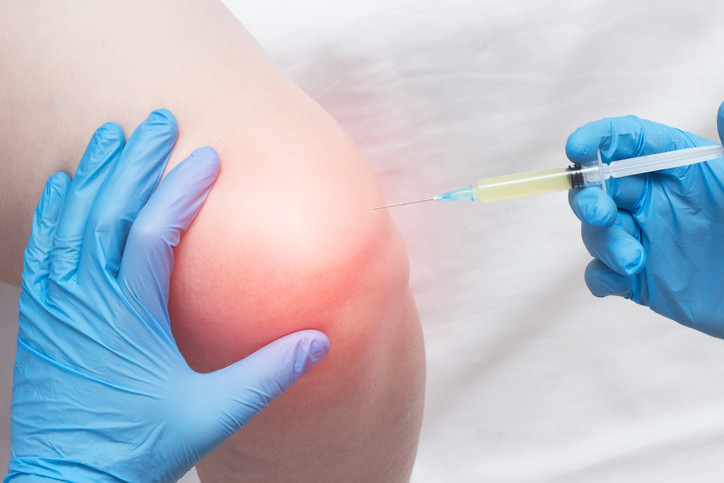
When people encounter the term tb 500 injection, it often raises questions and concerns. Many individuals worry about safety, effectiveness, and how such compounds interact with existing treatments. Patients dealing with digestive injuries are especially cautious, as their condition already affects nutrient absorption and immune balance.- fear of interfering with prescribed medications;
- uncertainty about long-term effects;
- lack of clear guidance for non-athletic medical use.
What does TB 500 do at the cellular level
Many people ask what does tb 500 do in simple terms. At the cellular level, it is associated with signaling processes that guide cells to damaged areas and help them organize structural repair. In the gastrointestinal tract, this may be relevant because epithelial cells must migrate quickly to reseal wounds and restore the protective barrier.- enhancing coordination between healing cells;
- supporting balanced inflammatory responses;
- helping tissues regain functional integrity.
Interpreting TB 500 results responsibly
Discussions around tb 500 results often mix scientific findings with anecdotal reports. For gastrointestinal injuries, reliable outcomes are typically measured through healing time, symptom reduction, and tissue integrity rather than subjective impressions. Available data from regenerative research suggest that peptides involved in tissue signaling may contribute to improved healing environments, but they are not a replacement for medical treatment.- clinical improvement should be assessed objectively;
- results vary depending on injury severity and patient health;
- long-term monitoring remains essential.
Fill out the form to book your consultation.
Your personal manager will contact you within 10 minutes and arrange a convenient time for your visit.