









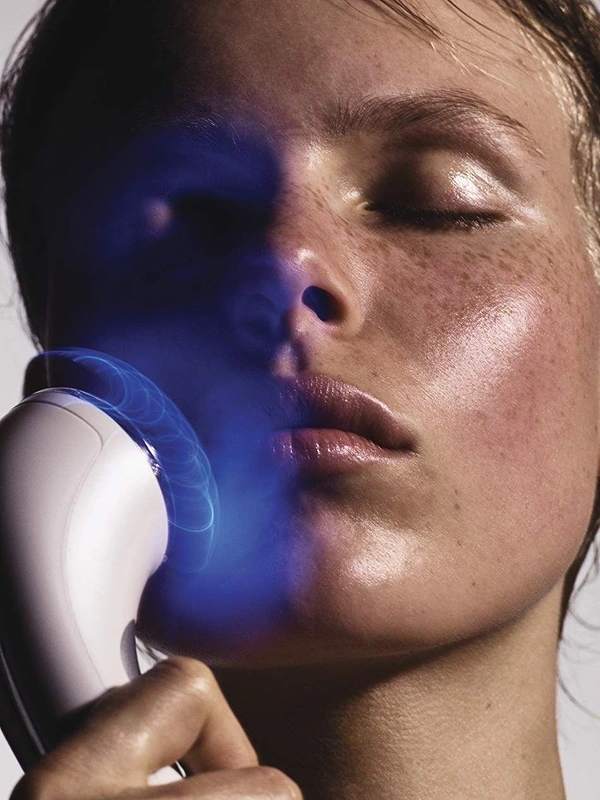



Modern lifestyles are associated with constant exposure to factors that overload the body’s cells. Chronic fatigue, stress, polluted air, lack of sleep, and physical inactivity directly affect internal biochemical processes. One of the key mechanisms of tissue damage is the excessive formation of free radicals. Against this background, red light therapy is attracting increasing attention as a physiological way to support cells without a pharmacological burden.
What Oxidative Stress Is and Why It Occurs
To understand how light affects the body, it is important to first understand the underlying process. When specialists explain what oxidative stress is, they refer to a state of imbalance between the formation of reactive oxygen species and the ability of cells to neutralize them. Under normal conditions, free radicals participate in metabolism and immune responses, but their excess leads to damage of proteins, lipids, and DNA. From a scientific perspective, oxidative stress is not a separate disease but a fundamental biochemical mechanism that accelerates cellular wear. According to biochemical research data, up to 85–90% of age-related cellular damage is associated precisely with the accumulation of oxidative reactions rather than genetic causes.Cellular Respiration and the Role of Mitochondria
The primary site where energy is produced and, at the same time, free radicals are generated is the mitochondria. These structures are responsible for ATP synthesis and maintaining the cell’s energy balance. When the respiratory chain is disrupted, electron leakage increases, which sharply intensifies oxidative load.- Reduced mitochondrial efficiency leads to decreased energy production, causing a person to fatigue more quickly even under familiar levels of exertion.
- Damage to the respiratory chain enhances lipid oxidation, which negatively affects the condition of cell membranes and their permeability.
- Slowing of ATP synthesis worsens tissue recovery processes after physical and emotional stress.
- Impaired mitochondrial function reduces the body’s adaptive capacity under stress and unfavorable environmental conditions.

How Red Light Affects Cellular Biochemistry
Red and near-infrared light spectra act on key enzymes of the mitochondrial respiratory chain. The most extensively studied effect is on cytochrome c oxidase, an enzyme that regulates electron transfer and the rate of energy production.- Light exposure enhances the activity of the respiratory chain, allowing the cell to use oxygen more efficiently.
- Increased ATP synthesis improves tissue energy supply and reduces the sensation of chronic fatigue.
- Reduced electron leakage decreases the formation of reactive oxygen species and the load on antioxidant systems.
- Optimization of mitochondrial function contributes to more stable metabolism and better cellular regeneration.
Antioxidant Defense and Its Enhancement
The body has its own system for neutralizing free radicals. Antioxidant defense includes enzymatic mechanisms whose effectiveness directly depends on mitochondrial condition and the cell’s energy potential.- Synthesis of superoxide dismutase is activated, which is responsible for neutralizing primary free radicals.
- Catalase activity increases, reducing the concentration of hydrogen peroxide inside the cell.
- Glutathione peroxidase activity rises, protecting membranes from oxidative destruction.
- An overall reduction in oxidative load increases cellular resistance to stress factors.
Connection with Symptoms and Quality of Life
When oxidative stress develops, symptoms often form gradually and remain unnoticed for a long time. Because of this, many people associate a decline in well-being with age or fatigue, without suspecting underlying cellular causes.- Persistent fatigue remains even after adequate sleep and rest.
- Concentration decreases, along with the ability to sustain prolonged mental work.
- Sleep and nervous system recovery processes become disrupted.
- The immune system responds more weakly, which manifests as frequent colds.
Approaches to Correction and the Role of Light-Based Methods
The modern approach to what is often referred to as oxidative stress treatment is based on restoring normal mitochondrial function and reducing chronic oxidative load. Light-based methods are considered a way to influence the root causes of these disturbances.- Chronic inflammatory background is reduced by decreasing oxidative reactions.
- Natural processes of tissue and cellular regeneration are supported.
- The body’s adaptation to physical and emotional stress improves.
- The need for aggressive pharmacological interventions is reduced.

Red light affects key biochemical processes associated with mitochondrial function and the control of free radicals. By improving cellular respiration and strengthening internal protective mechanisms, oxidative tissue damage is reduced. This makes light-based technologies a promising approach for supporting energy levels, slowing age-related changes, and improving quality of life.