How the Cardiology Check-Up Is Performed
The examination begins with a specialist consultation. During the appointment, the cardiologist evaluates the patient’s cardiovascular profile, considering symptoms, lifestyle, physical activity levels, and family history. The doctor also reviews medical documents and identifies possible risk factors.
The next stage involves laboratory diagnostics. Blood tests help evaluate parameters that may affect cardiovascular health, including lipid profile and metabolic indicators.
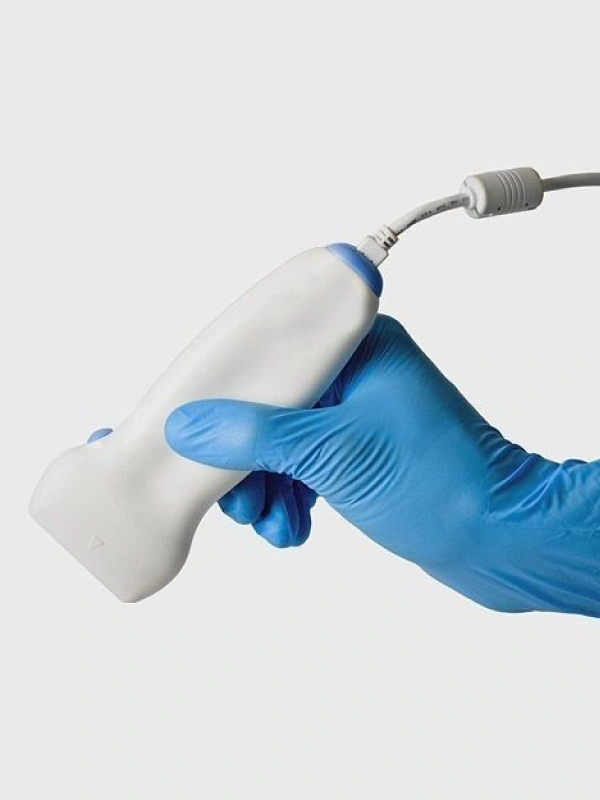
Instrumental examinations are an important part of the program. Heart ultrasound (echocardiography) allows evaluation of heart structure, valve function, and myocardial contractility. The examination helps detect structural changes in the heart muscle and assess the functional condition of the heart chambers.
Vascular ultrasound is also performed to assess the condition of arteries and veins. This examination helps detect signs of atherosclerosis, vascular narrowing, and blood flow disturbances. Together, these diagnostic methods provide a comprehensive cardiology evaluation and help identify changes at early stages.