







Milk peeling
A delicate facial peeling with lactic acid that moisturizes, evens out the tone and gives the skin a soft natural glow without aggressive effects.
Get consultation

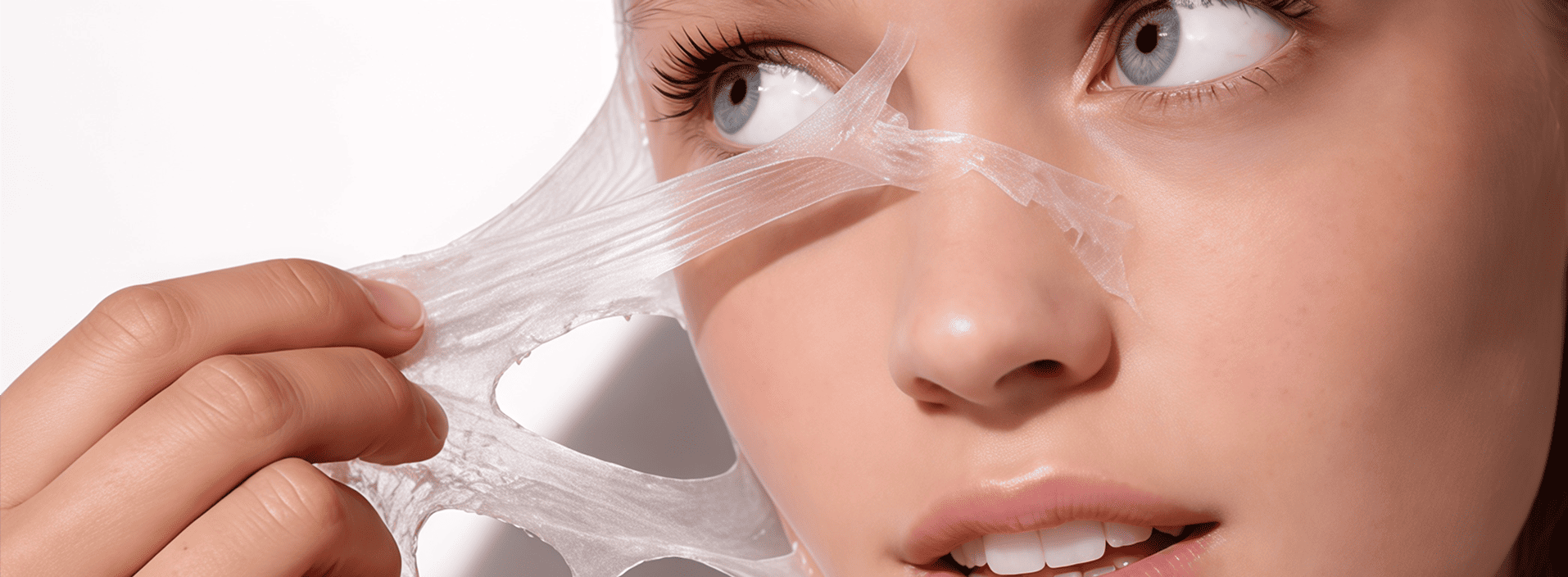
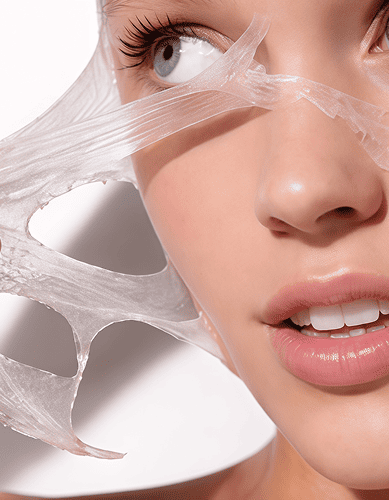
Milk peeling is one of the most physiological procedures for superficial skin renewal. It is based on lactic acid, a component that is naturally present in the body and participates in the processes of cellular renewal.
Unlike more active acids, peeling with lactic acid not only exfoliates dead skin cells, but at the same time increases the level of hydration of the skin. Therefore, the procedure is especially suitable for patients with dry and dehydrated skin, as well as for the first age-related changes.
Milk peeling for the face gently smoothes the texture, makes the skin smoother and visually fresher, without causing pronounced peeling and irritation.
Before the procedure, the specialist evaluates the condition of the skin and selects the concentration of the composition. The skin is cleansed, after which a lactic acid preparation is applied.
There may be a slight warmth or moderate tingling sensation during the procedure. The doctor controls the exposure time, then the composition is neutralized and restorative care is applied.
Facial peeling with lactic acid takes about 30 minutes and does not require a rehabilitation period. Within a few days, there may be mild dryness or minimal peeling, which does not affect the usual rhythm of life.
The course usually includes 4-6 procedures with an interval of 10-14 days.
Lactic acid belongs to the group of AHA-acids, but it has a pronounced moisturizing effect. It promotes the delicate destruction of connections between keratinized cells and accelerates their renewal. At the same time, the synthesis of natural moisturizing factors of the skin is stimulated.
Due to this, peeling not only cleanses the surface, but also enhances the skin's ability to retain moisture. The barrier function improves, sensitivity decreases, and a feeling of comfort appears.
An additional effect is the leveling of tone and a slight lightening of pigmentation due to the acceleration of cellular metabolism.

Dry and dehydrated skin
Dull complexion
Sensitive skin
Uneven texture
Preparation for injection or hardware procedures

Acute inflammatory processes
Herpes in the active stage
Damage to the skin
Pregnancy and lactation