





Salicylic peeling
Professional peeling with salicylic acid for deep cleansing of pores, reducing inflammation and restoring the balance of oily skin.
Get consultation


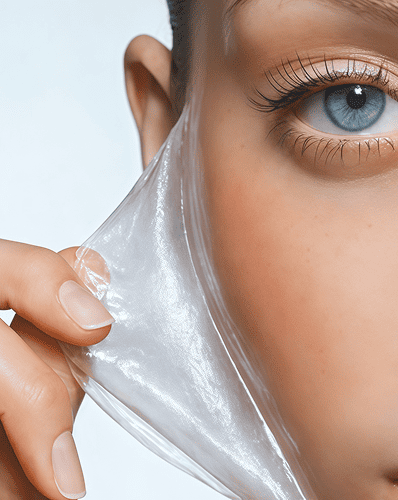
Salicylic peeling belongs to the category of surface-to-medium chemical procedures and is especially appreciated in dermatological practice. The main active ingredient is salicylic acid, which has a pronounced seboregulatory and anti-inflammatory effect.
This facial peeling is designed primarily for skin prone to greasiness, enlarged pores, inflammatory elements and post-acne. It gently renews the surface and works with the cause of imperfections, helping to normalize the sebaceous glands and reduce inflammatory reactions.
Salicylic facial peeling is often included in acne treatment programs and repair protocols for problematic skin.
Before the procedure, the doctor evaluates the condition of the skin and selects the concentration of the composition. The skin is thoroughly cleaned and degreased, after which a solution with salicylic acid is applied.
There may be a feeling of warmth or slight tingling during application. The composition is evenly distributed over the skin and acts for a strictly controlled time. After the procedure is completed, soothing and anti-inflammatory care is applied.
The procedure takes about 30 minutes. Moderate peeling may occur over several days, which is part of the renewal process. The recommended course is 3-5 procedures with an interval of 2-3 weeks.
Salicylic acid belongs to the group of BHA acids and is characterized by lipophilicity. This means that it is able to penetrate the sebaceous ducts and dissolve excess sebum.
Peeling with salicylic acid cleanses the pores from the inside, reduces the activity of bacteria that are involved in the formation of inflammation, and reduces the severity of comedones. At the same time, there is a gentle exfoliation of keratinized cells and stimulation of epidermal renewal.
This peeling improves the appearance of the skin and contributes to the long-term stabilization of its condition with a tendency to greasiness and inflammation.

Oily and combination skin
Acne and comedones
Enlarged pores
Post-acne
Hyperkeratosis
Increased sebum production

Acute inflammatory processes of the skin
Herpes in the active stage
Pregnancy and lactation
Skin damage in the treatment area
Individual intolerance to salicylic acid