


Dubai
English
Request a call




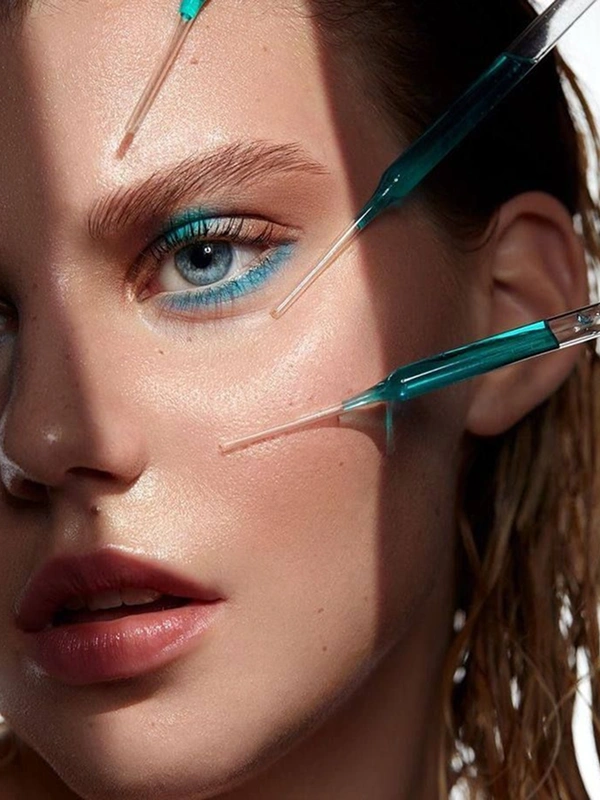
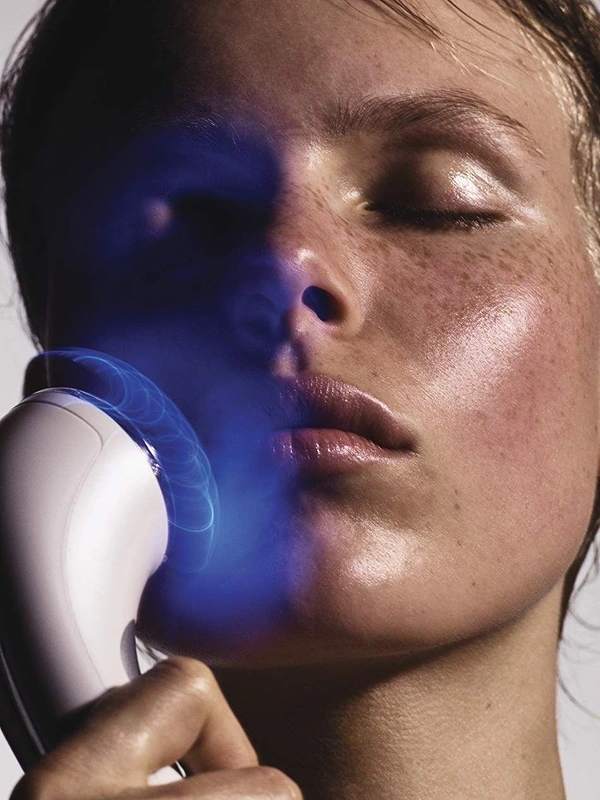


When a person notices the first changes in their appearance, it is natural to want to make the face look fresher and younger. Modern injection methods allow this to be done delicately and quite quickly, but each of them has its own features. Many patients choose between classic botulinum toxin and baby botox. Both methods work with facial muscles, but they produce different visual effects and suit different aesthetic goals.
Baby Botox: gentle correction that preserves facial expressions
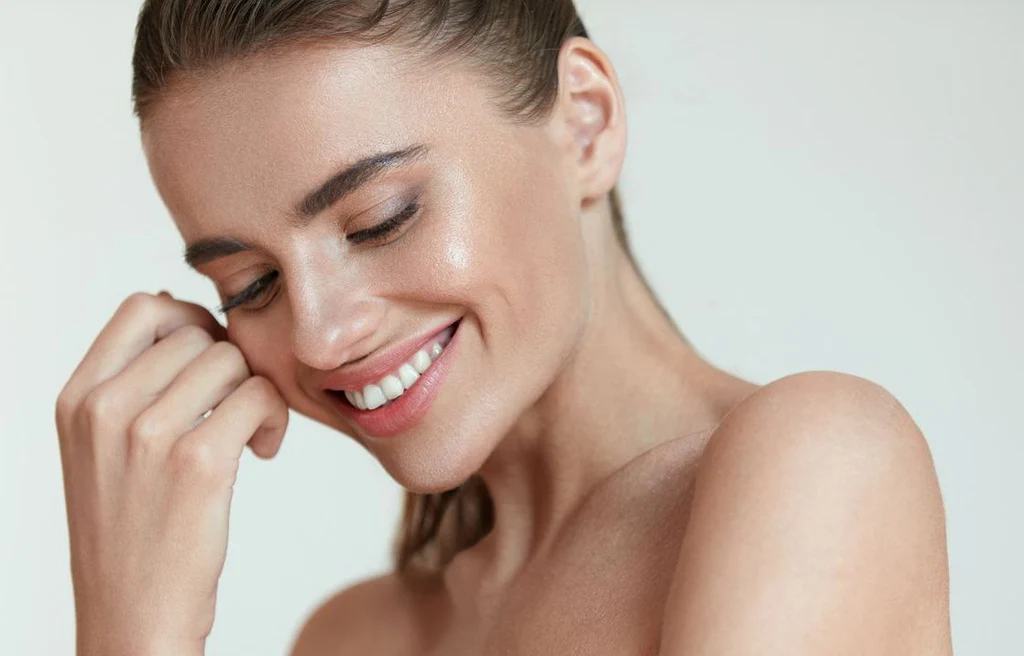
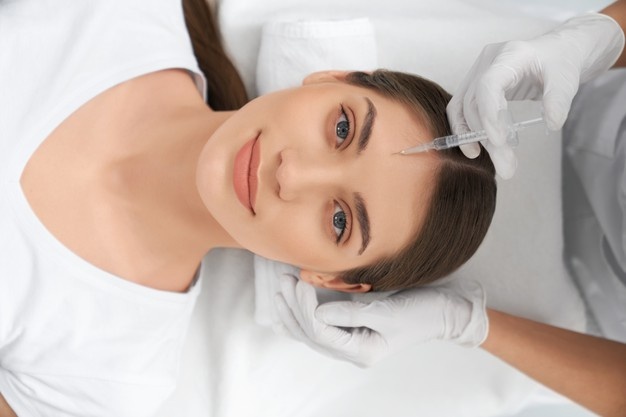
Baby Botox is a technique of injecting small doses of the product, which helps soften wrinkles without completely blocking the muscles. This approach is suitable for people who want to maintain a lively facial expression and avoid the effect of a “heavy” upper third of the face.- Gentle muscle relaxation without strong fixation
- No heaviness or “overloaded” expression
- Quick recovery after the procedure
- An ideal option for the first injections
- Precise work in areas with superficial wrinkles
Classic botulinum toxin: confident and long-lasting results
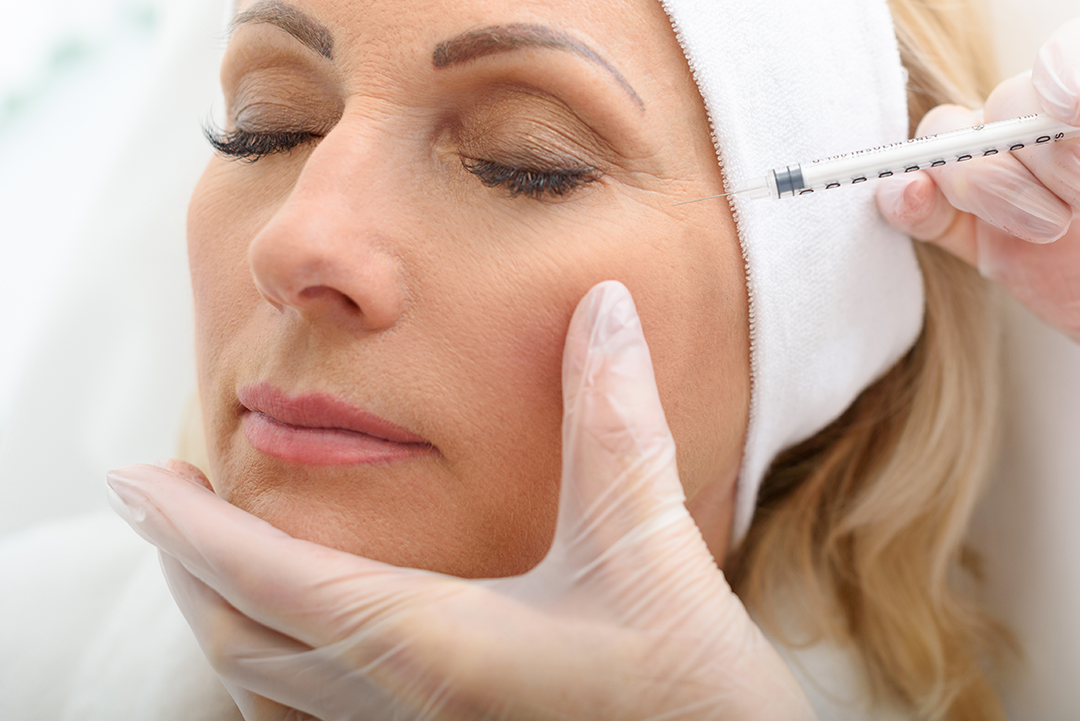
Botulinum therapy is used when wrinkles become more pronounced or the muscles remain constantly tense. Standard dosages are applied here, allowing for stable smoothing. This method provides a predictable result even with active facial expressions.- Smoothes deep wrinkles
- Makes facial expressions calmer and more relaxed
- Suitable for dense skin and strong muscles
- Lasts longer than soft-dose techniques
- Most often used for the pronounced glabellar area
Main correction areas and features of working with them
Each zone of the face has its own tasks and characteristics. In some cases, a soft baby-technique is suitable, while in others a more classic approach is needed. To keep the result looking natural, it is important to consider how the muscles move, how pronounced the wrinkles are, and what facial expression habits a person has.- Forehead — horizontal lines appear here. A soft technique works if the wrinkles are superficial, and a classic method is used when creases are pronounced or the muscles are very tense.
- Glabellar area — often the “strongest” zone. If the crease is deep, a standard dosage is required, otherwise it will remain noticeable even after the procedure.
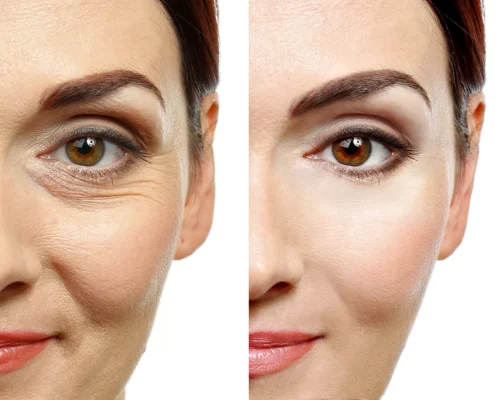
- Botox under the eyes — helps soften crow’s feet and reduce tension under the lower eyelid. Small doses are usually used here to avoid altering the natural smile.
- Nose — allows correction of wrinkles that appear when laughing (“bunny” lines), and they respond quickly even to soft doses.
- Lip botox — used for perioral wrinkles around the mouth. It is important not to overdo it so as not to affect lip movement during speech and smiling.
- Chin area — helps eliminate the “tight chin” effect when the skin gathers into small dimples. Soft technique is often sufficient.
- Neck botox — softens vertical bands that create a “tightness” effect in the neck. A classic approach is usually required in this zone.
- Facial contour — muscles that pull the corners of the mouth downward can be relaxed. This makes the overall facial expression softer and calmer.
What to choose: the baby technique or the classic method?
To make the right choice, it is important to understand in which situations each method works best. Both options are effective, but they provide different levels of muscle relaxation and different degrees of visible results. When it’s better to choose the baby technique:- If you want the most natural result without noticeable changes
- If your facial expressions are active and it is important for you to keep your emotions lively
- If wrinkles are superficial and just starting to appear
- If you are getting botulinum toxin injections for the first time and want a soft, precise effect
- If you are afraid of “overcorrection” or feeling heaviness in the face
- If wrinkles are deep and visible even at rest
- If the muscles are very tense and soft doses will not be enough
- If you need a more pronounced and long-lasting result
- If there is a dense glabellar crease requiring strong relaxation
- If you want to smooth the skin for a long time, not just achieve a light softening

Fill out the form to book your consultation.
Your personal manager will contact you within 10 minutes and arrange a convenient time for your visit.