


Dubai
English
Request a call








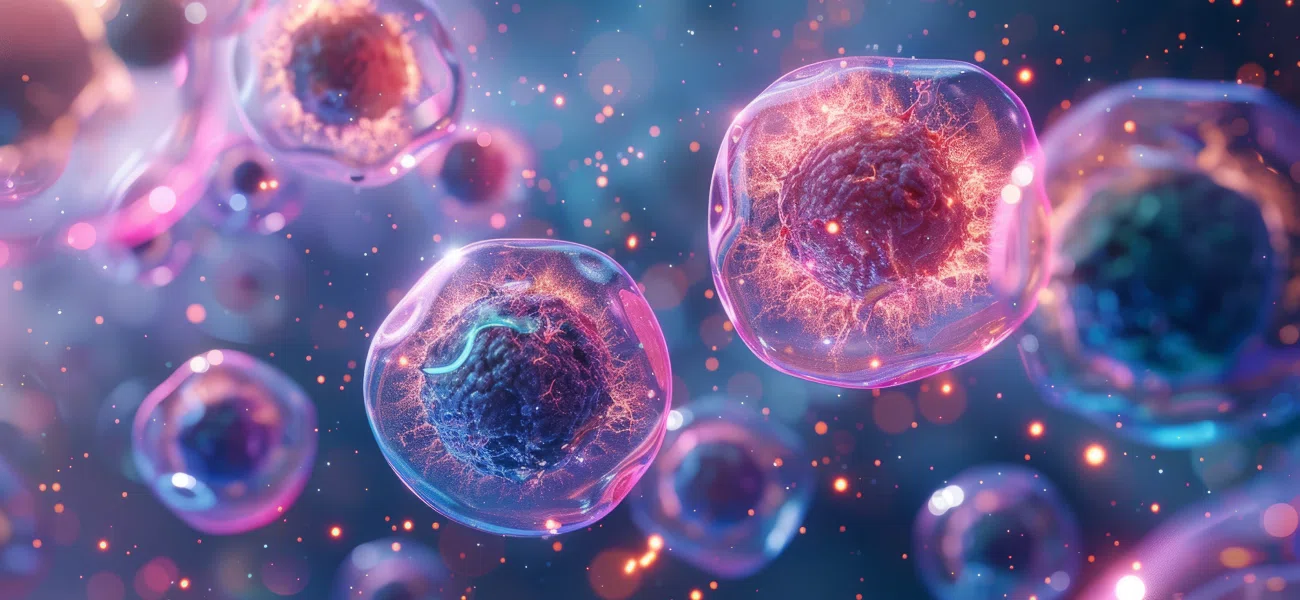


Bone injuries are a common problem for people of all ages. Fractures, cracks, and bone damage after surgery often heal slowly and bring daily discomfort, limited movement, and fear of re-injury. Because of this, many people try to understand what is bpc 157 and whether it can realistically help the body restore bone tissue after trauma.
How Bone Healing Works After Injury
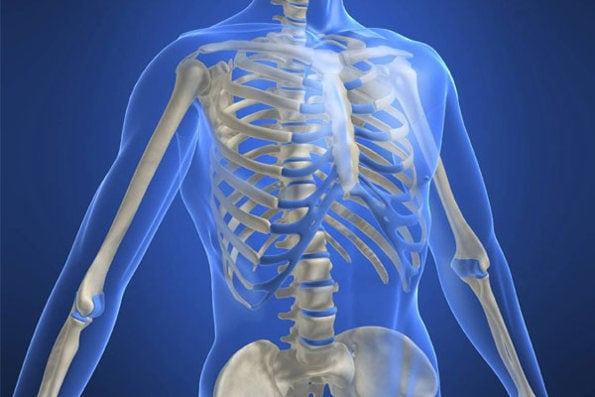
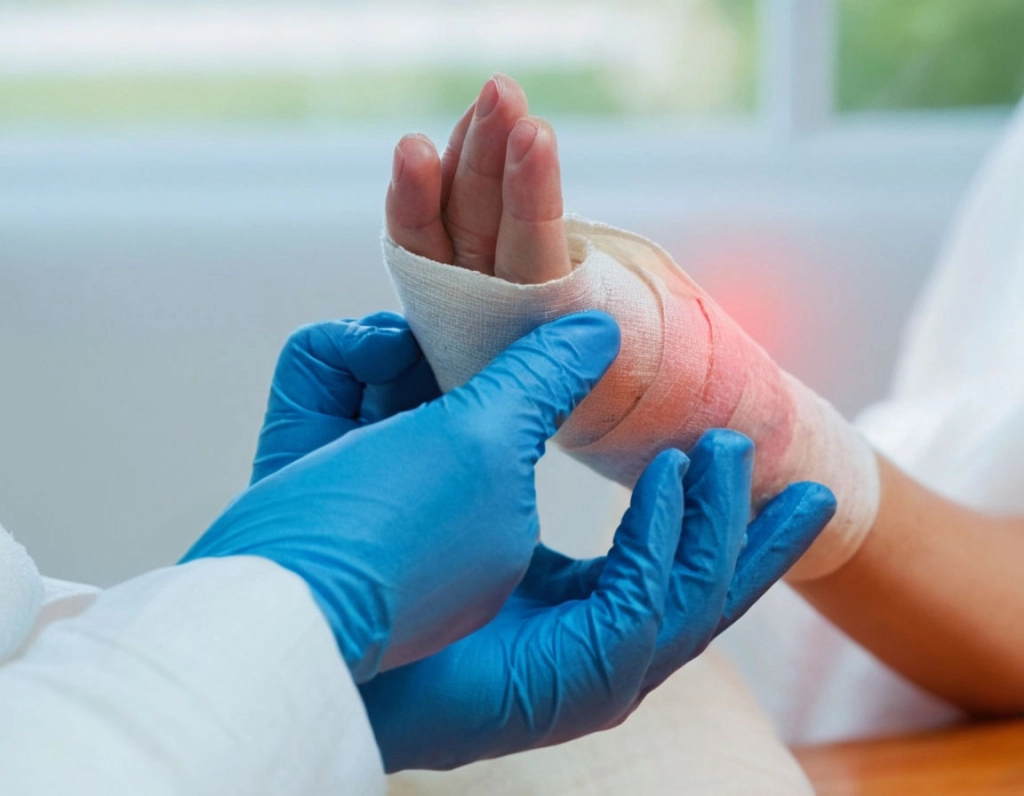
To understand recovery, it helps to know how bones heal in simple terms. After a fracture or serious injury, the body goes through several clear stages that must happen in the right order. bpc 157 peptide is studied because it appears to support these natural stages rather than replace them. Bone healing depends on good blood flow, balanced inflammation, and steady formation of new tissue.- The body first creates a protective response around the injury, forming a temporary structure that stabilizes the damaged area and prevents further displacement.
- New blood vessels begin to grow toward the injured bone, supplying oxygen, minerals, and nutrients that are essential for tissue repair.
- Bone-forming cells gradually build new tissue, filling the damaged area and connecting broken bone segments.
- Over time, the new bone reshapes itself, becoming stronger and more adapted to daily physical нагрузкам.
Why Bone Recovery Is Often Slower Than Expected
Many people expect bones to heal quickly, but in reality recovery often takes longer than planned. Limited blood supply, ongoing inflammation, and reduced movement can all slow down the natural repair process. Another common issue is fear of movement after injury, which leads to prolonged rest and muscle weakness. Even when the bone is healing correctly, this lack of controlled activity can delay the return to normal strength and function.How BPC-157 Supports the Healing Environment
Bone healing is closely connected to the condition of surrounding tissues such as muscles, tendons, and ligaments. The compound discussed under peptides bpc 157 is known for supporting overall tissue recovery, which helps stabilize the injured area.- Improves blood flow around damaged bone, helping healing tissues receive consistent nutritional support.
- Supports tendons and ligaments near the injury, reducing joint instability during movement.
- Helps limit stiffness caused by immobilization, making the transition to rehabilitation smoother.
- Creates better conditions for gradual return to physical activity without sudden overload.
Practical Recovery Challenges After Bone Trauma
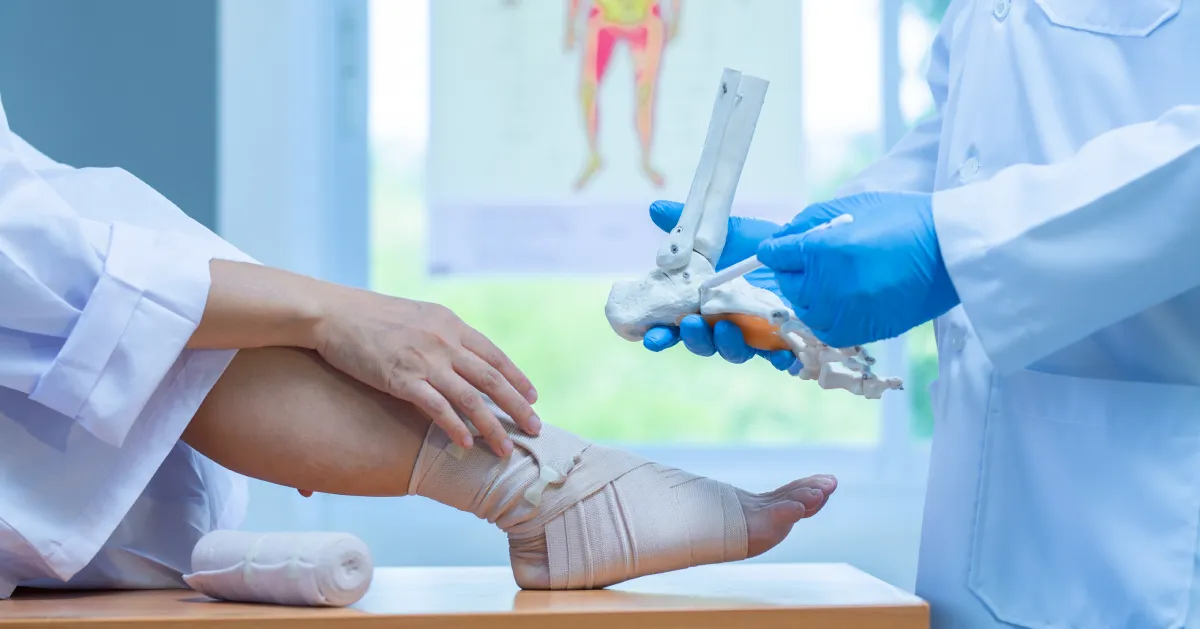
From a patient’s perspective, recovery is not only about X-rays or scans, but about how the body feels during everyday life. The topic of bpc 157 injection often appears in discussions about improving tissue response during rehabilitation.- Pain that appears when trying to walk, lift objects, or return to exercise can slow motivation.
- Fear of re-fracture makes people avoid movement, even when healing is progressing normally.
- Loss of strength in the injured area affects balance and confidence.
- Uncertainty about when full activity is safe leads to prolonged recovery periods.
Bone Health and Recovery in Women
Women often face specific bone health challenges, especially during hormonal changes that affect bone density and strength. Interest in bpc-157 benefits for woman is connected to supporting stable recovery and lowering the risk of repeated stress injuries, particularly in active or aging women.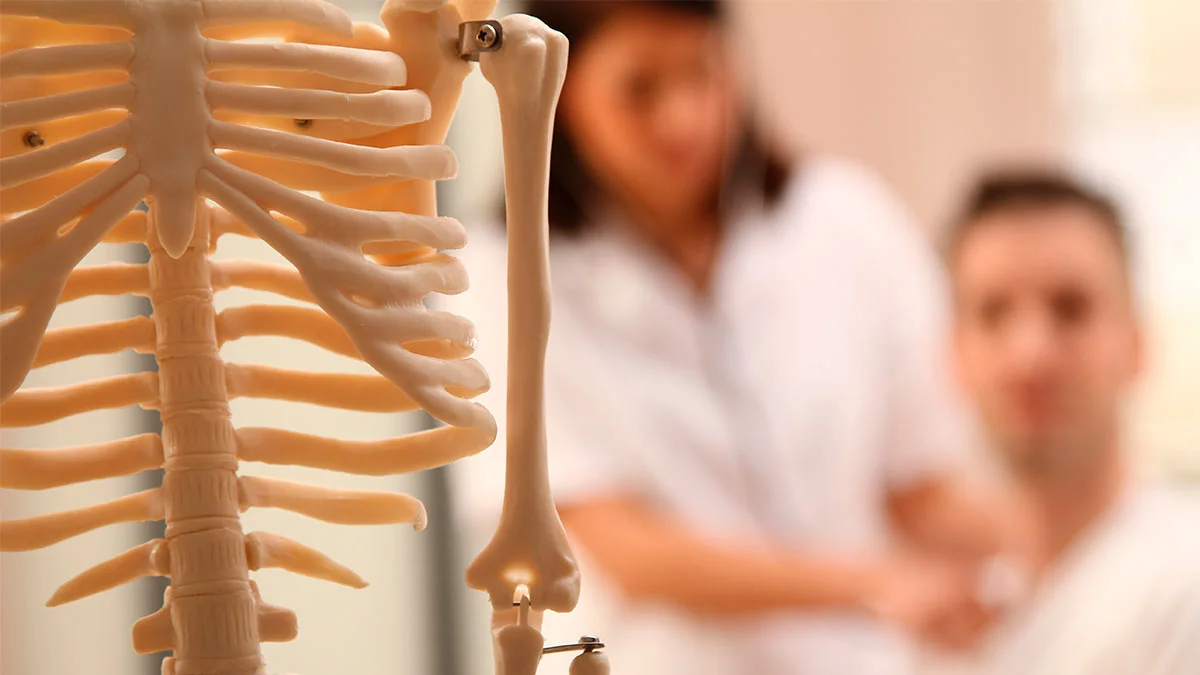
Growing Medical Interest Worldwide
Modern rehabilitation increasingly focuses on improving recovery quality, not just healing speed. Search trends like bpc 157 dubai reflect growing interest in advanced recovery and regenerative approaches.- Patients are looking for solutions that shorten downtime after injuries.
- Clinics focus on restoring full mobility and function, not only bone integrity.
- Rehabilitation programs combine physical therapy with supportive recovery strategies.
- People prefer approaches that work with natural healing mechanisms.
How the Peptide Supports Natural Healing Signals
Bone recovery depends on proper communication between cells, blood vessels, and connective tissues. The regenerative activity linked to peptide bpc 157 is associated with supporting these internal signals.- Encourages the formation of small blood vessels that supply healing tissues.
- Helps regulate inflammation so it supports rather than blocks recovery.
- Improves tissue adaptation when physical load gradually increases.
- Supports a smoother transition from rest to active movement.
Fill out the form to book your consultation.
Your personal manager will contact you within 10 minutes and arrange a convenient time for your visit.