












Synthetic peptide BPC-157 has garnered significant interest from the scientific community and consumers due to its broad therapeutic potential. The molecule consists of 15 amino acid residues and was originally derived fro...
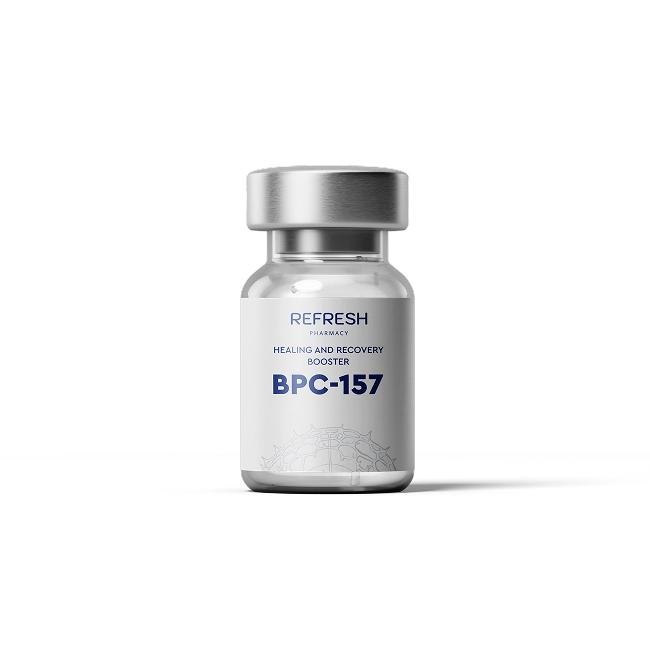
Synthetic peptide BPC-157 has garnered significant interest from the scientific community and consumers due to its broad therapeutic potential. The molecule consists of 15 amino acid residues and was originally derived from gastric juice composition. Its biological activity spans several key areas:
-
Tissue repair: ensures rapid regeneration after mechanical injuries, sprains, and surgical interventions.
-
Inflammation relief: effectively suppresses inflammatory processes and pain sensations in various pathologies.
-
Microcirculation: optimizes blood flow, improving organ trophism and soft tissue health.
-
Neuromodulation: supports central nervous system functions, enhancing cognitive abilities and stress resistance. Pharmacodynamics and effect profile
Target Tissue
Main Result
Ligamentous apparatus
Increased collagen production (↑), two-fold strength increase
Gastrointestinal tract
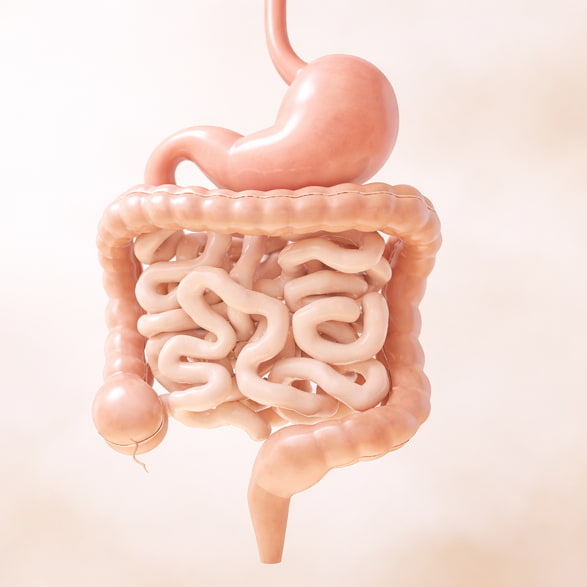
Suppression of ulcerative processes and inflammation by 90%
Musculature and bone tissue
Recovery without scar tissue formation (fibrosis)
Central nervous system
Neuroprotection for traumatic brain injuries (TBI) and distress
The mechanisms of action of the peptide include:
-
Stimulation of angiogenesis: activation of vascular growth factors VEGF and FGF leads to a doubling (+200%) of capillary network formation speed.
-
Anti-inflammatory response: reduction of cytokine levels TNF-α and IL-6 by 60–80% with normalization of NO-synthase activity.
-
Connective tissue synthesis: increased concentration of type I and III collagen for proper remodeling of damaged areas.
-
Cytoprotective function: blocking cell death (apoptosis) caused by toxins, nonsteroidal anti-inflammatory drugs, ethanol, and free radicals. Optimal combination protocols (stacks)
For a synergistic effect, BPC-157 is often combined with the following agents:
-
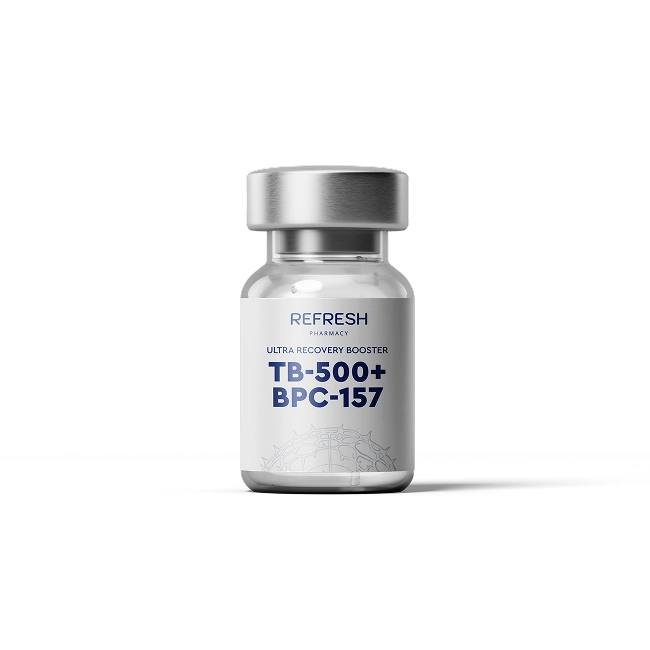
With TB-500 — for maximum regeneration of the musculoskeletal system.
-
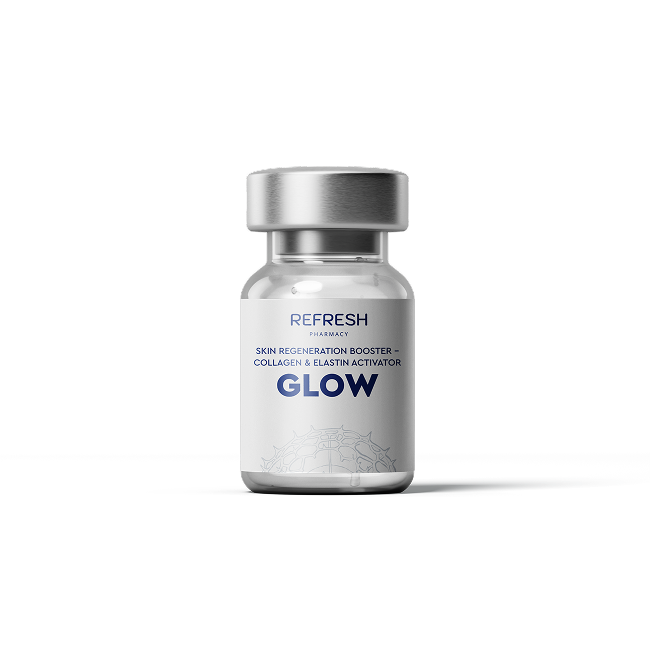
With GHK-Cu — for skin rejuvenation and joint health improvement.
-
With Ipamorelin — for stimulation of anabolic processes and general recovery.
| Combination | BPC Dosage | Expected Effect |
| :----------------------- | :------------------- | :----------------------------------------- |
| BPC-157 + TB-500 | 250 mcg + 2.5–5 mg | Acceleration of injury healing by 3–4 times|
| BPC-157 + IGF-1 LR3 | 250 mcg + 40–50 mcg | Synergy of muscle growth and regeneration |
| BPC-157 + GH | 250 mcg + 2 IU | Strengthening of connective tissues and bones |
Practical aspects of use
The application of this compound requires strict adherence to medical protocols:-
Medical supervision: course initiation is possible only after ruling out contraindications by a specialized specialist.
-
- Рersonalization: intake schedule and daily dosages are calculated individually based on physiological body characteristics.
-
Raw material verification: it is necessary to use products exclusively from reliable distributors to avoid acquiring counterfeit or low-quality substances.
Trend status of 2026
- BPC-157 has established itself as the main regenerative agent of the current period. According to market data:
- The peptide ranks first in popularity among restorative agents of 2026.
- It is used by up to 95% of athletes (according to survey results).
- Sales volume grew by 520% in the period from 2024 to 2026.
- The standard industry protocol recognized as classic is the combined use of BPC-157 and TB-500.
BPC-157 is a multifunctional catalyst of regeneration capable of accelerating healing by two to three times. It has proven itself as an effective tool in sports medicine, gastroenterology, and rehabilitation after invasive procedures. Nevertheless, its use must be conscious and necessarily agreed upon with the attending physician.
Information
Smart Benefits.
Maximum Impact.






The Science of Longevity in Detail