

Dubai
English
Request a call





Why workouts alone don’t always eliminate stubborn fat deposits
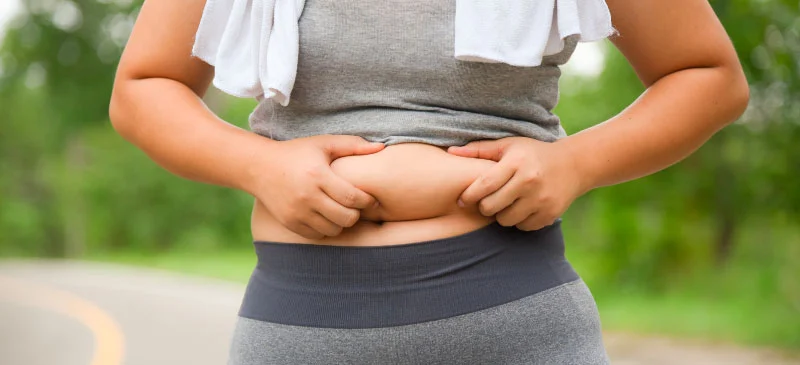
Many people notice that even with regular workouts and proper nutrition, certain areas of the body remain unchanged — this is where localized fat deposits accumulate. This is not always related to laziness or dietary mistakes; more often, the cause lies in metabolic characteristics, hormonal balance, and blood circulation.
Why fat is lost unevenly
When the body uses energy, it does not choose a specific area from which to burn fat. That is why many people, even those who watch their diet and exercise actively, do not understand how to get rid of fat deposits on the abdomen. It is especially difficult to correct areas on the sides and back — these are precisely the zones where fat is retained the longest.- Genetics determine where the body “stores” energy — most often the hips, lower abdomen, and lower back.
- Hormonal balance affects where lipolysis occurs more actively.
- Poor microcirculation in tissues interferes with the breakdown of fat cells.
- Age and stress also reduce the efficiency of natural metabolism.
Why sports and diet do not always give the desired result
Even with a calorie deficit, the body decides on its own where to burn fat from. Therefore, it is not always possible to eliminate fat deposits exactly where one wants. For example, a person loses weight, but changes in the legs and neck remain minimal.- Cardio workouts increase overall endurance but do not target specific areas.
- Strength training strengthens muscles but does not reduce the thickness of the subcutaneous layer.
- Diets, especially extreme ones, often slow down metabolism.
- Lack of sleep and stress provoke fat accumulation due to cortisol release.
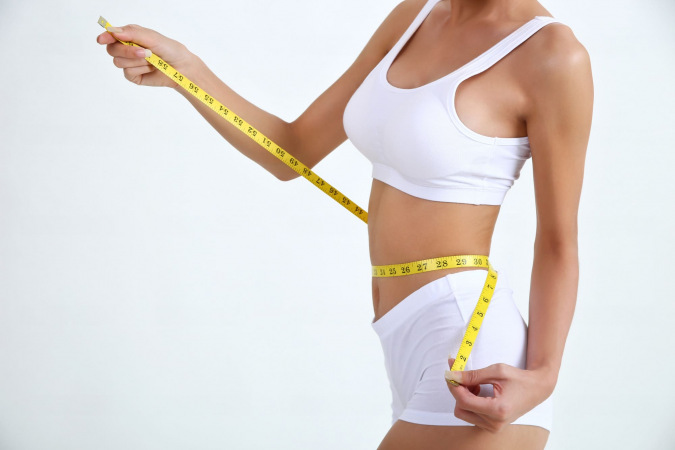
Modern solutions for combating fat deposits
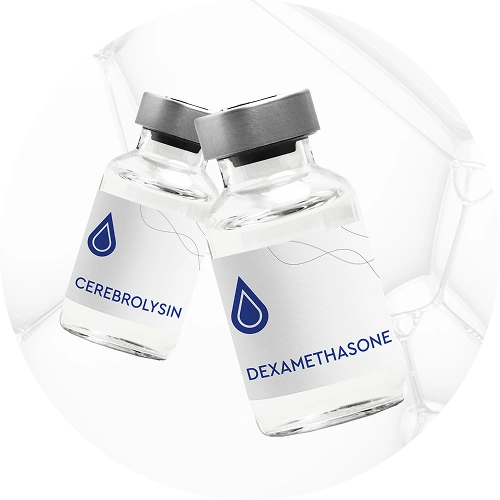
Modern cosmetology offers many safe and effective methods that help eliminate localized fat without surgery. Each method is aimed at improving metabolic processes, activating lymphatic drainage, and restoring the body’s natural contours.- Lipolytics — injectable preparations that break down fat cells and promote their natural elimination from the body. Suitable for correcting small areas and targeted contour work.
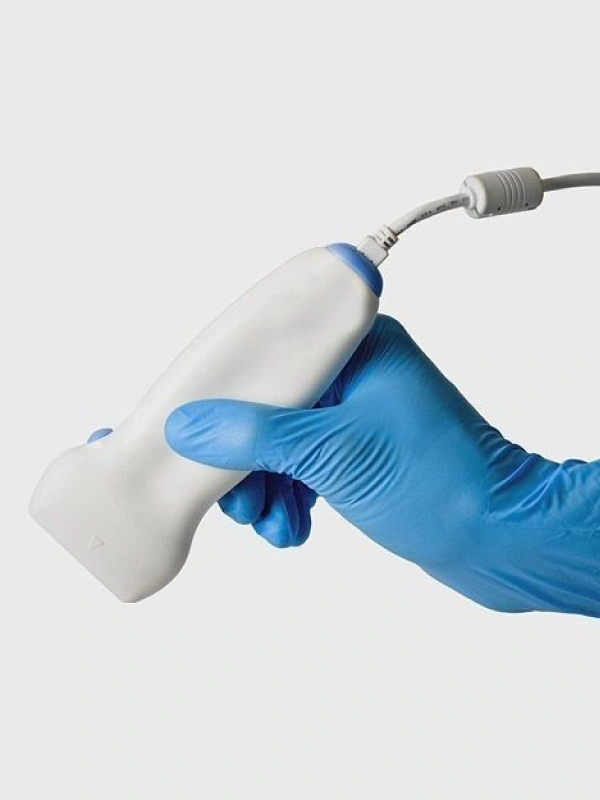
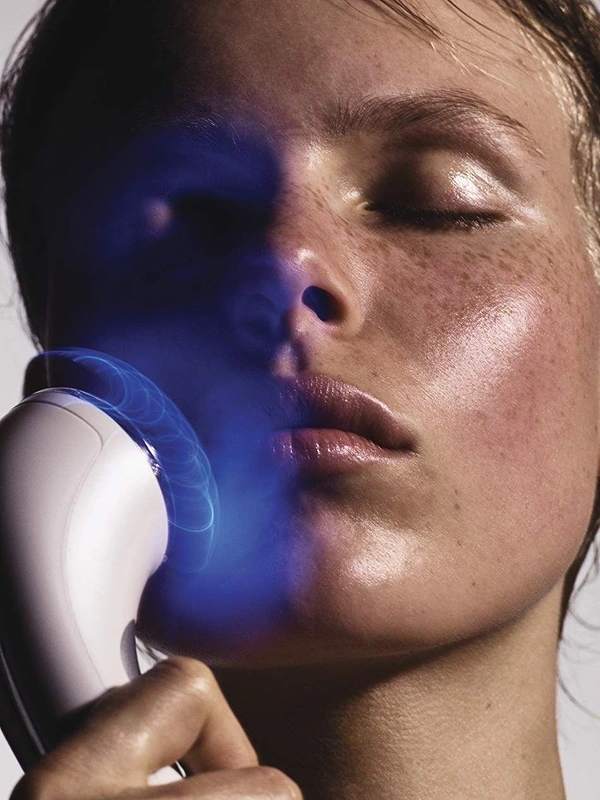
- Device-based methods — procedures based on vacuum, vibration, laser, or shockwave воздействие. They help activate lipolysis, improve skin tone, and reduce tissue volume.
- Body wraps and thermotherapy — improve microcirculation and metabolism, contributing to more even fat breakdown.
- Myostimulation — exposure to electrical impulses that cause muscles to contract, enhancing metabolism and promoting more active fat burning.
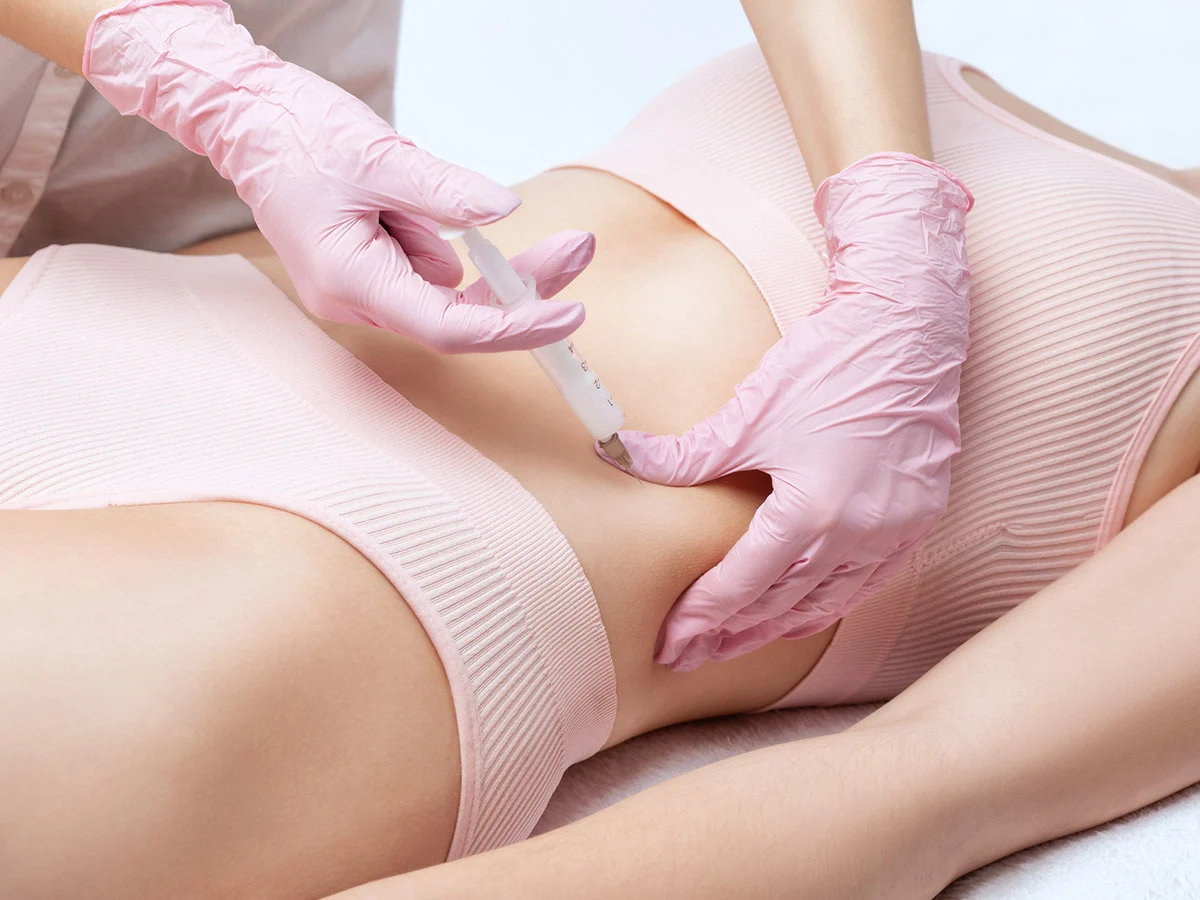
Lipolytics — an effective way to eliminate fat deposits
Lipolytics are injectable preparations that help target fat cells precisely and safely reduce body volume. The method is used when it is necessary to correct small areas — for example, the abdomen, neck, or arms. The active substances in lipolytics break down fat cells, after which the breakdown products are naturally eliminated through the lymphatic system. The procedure does not require rehabilitation and is suitable for those who want to remove localized fat deposits without surgical intervention. Main advantages of the method:- Targeted and predictable impact on problem areas;
- Minimal invasiveness and no visible marks;
- Gradual, natural results without stress for the body.
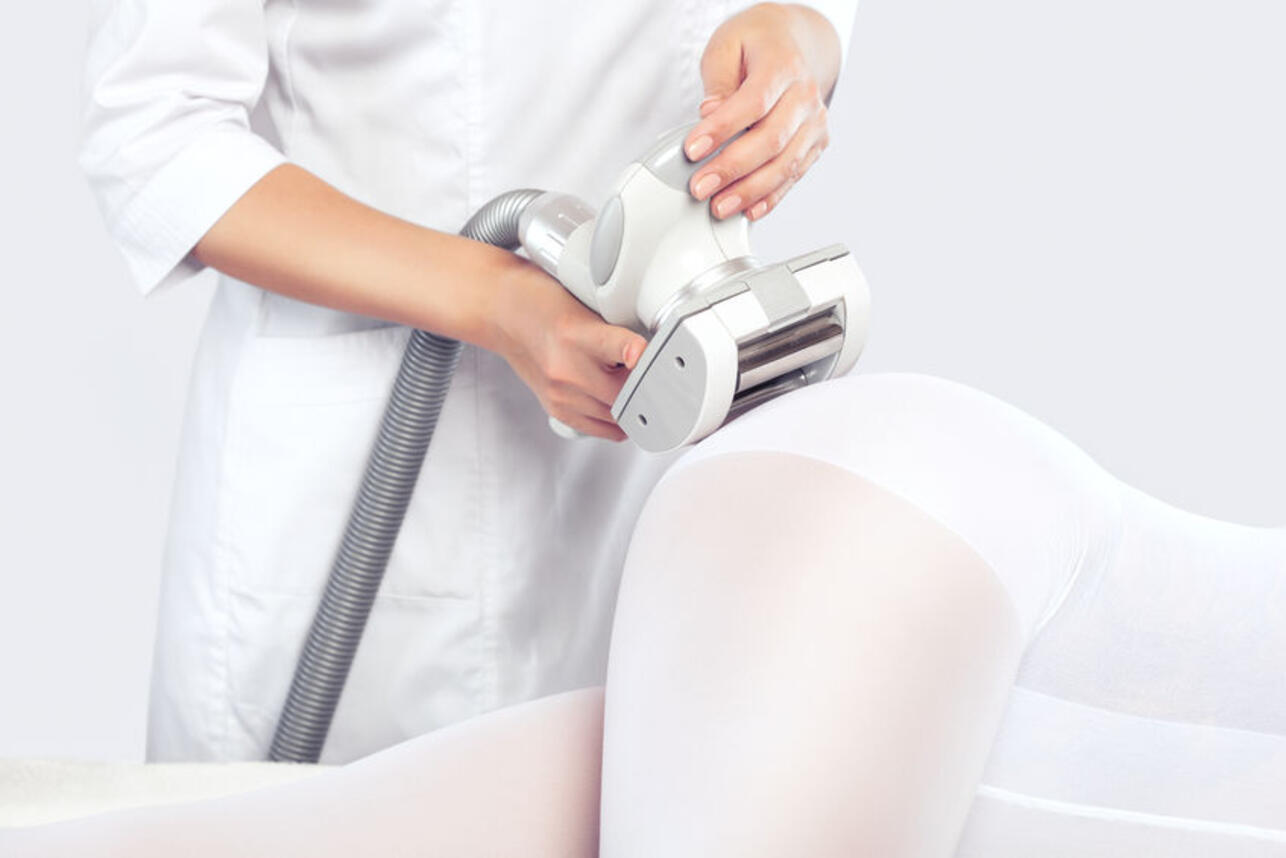
The best devices for localized body contour correction
Modern devices make it possible to target exactly the problem areas where fat is most resistant. Among the most effective solutions, specialists highlight endosphere therapy, storz shock wave therapy, and icoone laser. Each of these technologies helps in its own way to remove localized fat deposits without surgical intervention.- Endosphere therapy activates lymphatic drainage and microcirculation, improving metabolism and skin firmness. In addition, the procedure promotes tissue detoxification, reduces swelling, and creates a feeling of lightness in the body. After a course of treatments, the skin becomes smoother, more toned, and acquires a healthy tone, while body contours become more defined.
- Shock Wave Storz Wave Therapy breaks down dense fat accumulations using acoustic waves and stimulates lipolysis. This technology is used to combat cellulite and restore skin elasticity.
- Icoone laser combines vacuum and laser effects, eliminating unevenness and smoothing body contours. Laser energy enhances metabolic processes in cells, accelerates toxin elimination, and activates collagen production. This makes the skin denser, firmer, and visually younger, even in the most sensitive areas.
- The combined use of technologies enhances the result and helps achieve a pronounced effect in fewer sessions. This approach is especially effective for body shaping, volume correction, and improving skin tone.
Getting rid of localized fat deposits using only exercise and diet is far from always successful. Modern aesthetic medicine offers safe and effective solutions that help correct the figure without surgical intervention. Among them are lipolytics and device-based methods aimed at activating metabolic processes and restoring skin tone.
In our clinic, we create personalized body contouring programs based on the individual characteristics of the body and the patient’s goals. A comprehensive approach that combines modern technologies with professional supervision helps safely achieve the desired shape and maintain long-lasting results.
Fill out the form to book your consultation.
Your personal manager will contact you within 10 minutes and arrange a convenient time for your visit.