














Weight Management for Children and Adolescents

A healthy weight, freedom of movement and confidence. A personalised Refresh Clinic programme with medical guidance and care for growing bodies.
360°
Comprehensive assessment of the child’s health, growth, and development
3
Core elements of the program: nutrition, physical activity, and sleep
100%
Individualized approach based on the child’s age and needs
A Personalised Approach to a Healthy Weight
At Refresh Clinic, weight management begins with an assessment of your child’s health and development. The doctor considers their age, growth rate, weight history and family medical history, then determines whether any investigations are needed.
This assessment forms the basis of individual recommendations for nutrition and physical activity. Every step respects the needs of a growing body. The programme aims to help your child achieve a healthy weight and support their overall development.
Healthy Change Begins with the Family

Children develop their habits through everyday life. The Refresh programme takes family routines, school schedules, favourite foods and personal interests into account. We help establish regular eating patterns, identify suitable physical activities and give sleep the attention it deserves.

Changes become part of daily life gradually, at a manageable pace for the family. Parents receive clear, practical recommendations, while their child feels supported. Together, the family builds habits that support health every day.

Healthy Change Begins with the Family
As Your Child Grows, Their Programme Evolves

Sound medical judgement is especially important throughout childhood and adolescence. The doctor assesses weight in relation to your child’s age, sex and growth pattern, considers their wellbeing and arranges investigations when needed.

The programme may aim for gradual weight loss or weight maintenance as your child grows taller. At follow-up consultations, the doctor monitors progress and adjusts recommendations. The family understands what is changing, what needs attention and what comes next.


What problems do we work with?
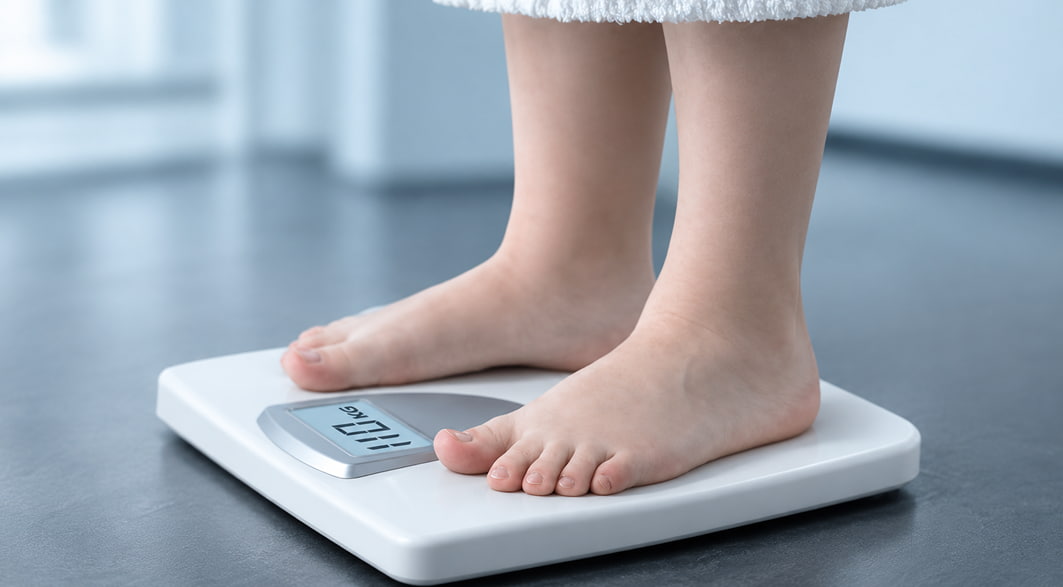
Excess Weight
Body weight above the healthy range for a child’s age, sex and height. Dietary habits, activity levels, genetic factors and family lifestyle can all contribute to weight gain.

Childhood and Adolescent Obesity
Excess accumulation of body fat that can affect metabolism and physical wellbeing. Possible effects include breathlessness during activity, joint discomfort and reduced stamina.

Insufficient Physical Activity
Limited movement in everyday life. When energy expenditure consistently falls below the energy supplied by food, gradual weight gain can occur.

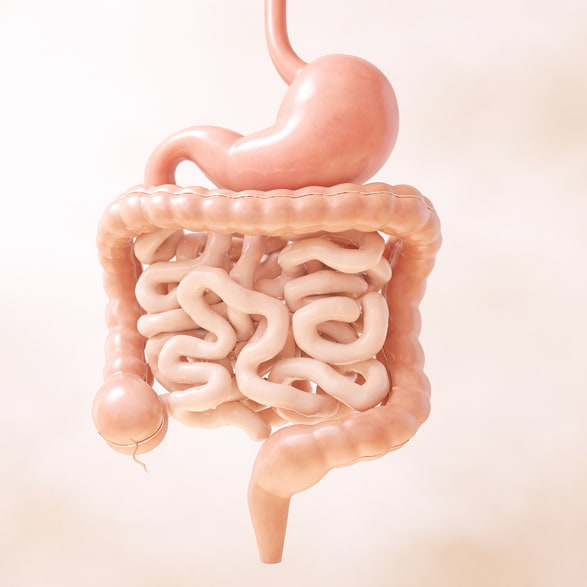
An Unbalanced Diet
A diet with an excess of calorie-dense foods, sweets and sugary drinks. Energy intake may exceed a child’s needs even when portion sizes seem familiar.

Disorders of Glucose Metabolism
Changes in the mechanisms that maintain normal blood glucose levels. Obesity increases the risk of prediabetes and type 2 diabetes.

Lipid Metabolism Disorders
Elevated cholesterol, triglycerides and other changes in blood lipid levels. These disturbances can accompany obesity and may occur alongside high blood pressure or changes in blood glucose.

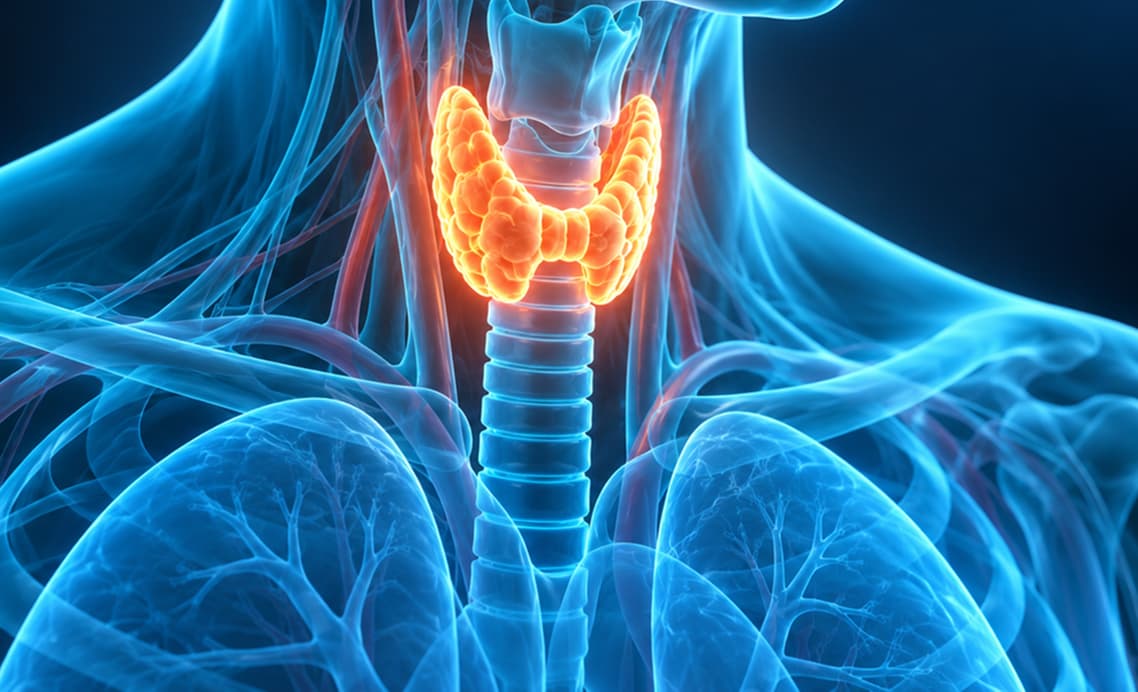
Hormonal Causes of Weight Gain
In some cases, weight gain is associated with endocrine conditions. Additional signs may include slower growth, pronounced fatigue and changes in the timing or progression of puberty.
symptoms-img
10 — Your First Step
Fill out the Form to Book your Consultation.
Leave your name and phone number — your personal manager will contact you within 10 minutes and arrange a convenient time for your visit.