In-Clinic Injection Treatment
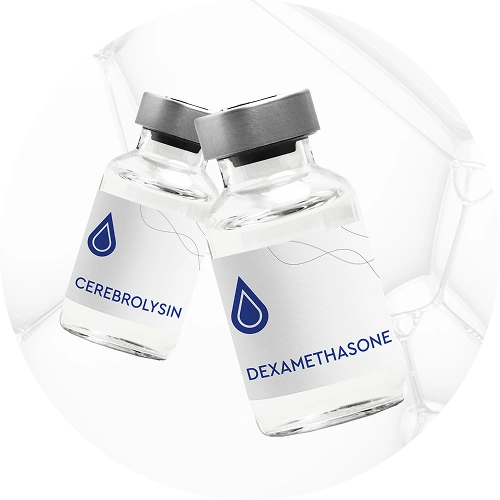
For selected large, painful inflammatory lesions, the dermatologist may recommend a targeted injection in the clinic. This option is assessed case by case and forms one part of your overall acne treatment plan.
Prescription Retinoids
Retinoids may be recommended as part of treatment. For severe acne, or acne that has not responded to previous therapy, the dermatologist may consider an oral retinoid.
Before prescribing it, the doctor will review your medical history, discuss safety requirements, and determine whether tests and ongoing monitoring are needed. Your treatment and follow-up schedule will be tailored to you.