








- 4 tests assessing parasitic infection, allergic response and eosinophilic inflammation
- Medical consultation with a review of your health history and test results
- Personalized recommendations for further treatment

Dubai
English
Request a call


Identify the possible cause instead of treating symptoms blindly
Bloating, irregular bowel movements, fatigue, itching and skin breakouts are not always caused by diet alone. These symptoms may be associated with a parasitic infection, an allergic response or active eosinophilic inflammation...
Bloating, irregular bowel movements, fatigue, itching and skin breakouts are not always caused by diet alone. These symptoms may be associated with a parasitic infection, an allergic response or active eosinophilic inflammation.
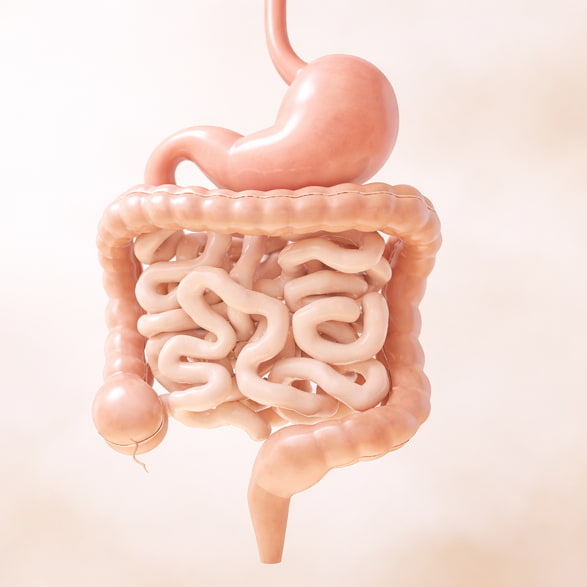
Parasitic infections may affect more than digestion. They can interfere with nutrient absorption and may be associated with low energy, elevated eosinophil levels and skin reactions. However, similar symptoms can also occur with other conditions, which is why assessment should come before treatment.
The check-up combines four complementary laboratory tests with a medical consultation. The doctor reviews the results alongside your symptoms and medical history, then provides a clinical assessment and personalized recommendations.
This is not a universal “cleanse” or a one-size-fits-all treatment plan. It is a structured medical pathway designed to identify the most appropriate next steps.
Assessment of possible parasitic infection
The Ova & Parasites test helps identify microscopic signs of parasitic infection, including helminth eggs and intestinal protozoa.
The result is assessed together with your symptoms and other laboratory findings, as one test alone may not provide a complete clinical picture.
Allergy or inflammation: identifying the direction
Total IgE helps assess the body’s overall allergic tendency, while ECP indicates the activity of eosinophilic inflammation at the time of testing.
Together with the eosinophil count from the CBC, these markers help the doctor determine whether your symptoms may be associated with an allergic or inflammatory component.
Digestion, skin and energy: a comprehensive assessment
Digestive concerns may be accompanied by low energy, reduced well-being, itching and recurring skin reactions.
During the consultation, the doctor evaluates these symptoms as part of one clinical picture, reviewing digestive function, bowel habits, skin reactions, energy levels and laboratory results.
A personalized plan instead of random medication
After the assessment, the doctor identifies the most likely direction of the problem and explains the appropriate next steps.
Where clinically indicated, recommendations may include additional testing, a preparation phase, natural antiparasitic and bile-flow support, or a personalized gastrointestinal recovery program.
Clinical Program Architecture

01
CBC — Complete Blood Count
A complete blood count with differential and eosinophil count helps assess general blood parameters and eosinophil levels, which may be elevated in allergic conditions and some parasitic infections.
02
ECP — Eosinophil Cationic Protein
Measures the activity of eosinophilic inflammation at the time of testing.
03
Total IgE
Helps assess the body’s overall allergic tendency and guides the doctor in determining whether further allergy-related evaluation may be required.
04
Ova & Parasites
A microscopic stool examination for helminth eggs and intestinal protozoa, used to identify signs of parasitic infection.
05
Medical Consultation
The doctor reviews your symptoms and medical history, evaluates digestion, bowel habits, energy levels and skin reactions, and correlates them with the laboratory findings.
06
Clinical Assessment and Personalized Recommendations
You receive a comprehensive medical assessment and a clear plan for the next steps, which may include additional testing, personalized treatment or a medically indicated cleansing and recovery program.

Indications


Bloating, gas and discomfort after eating
Irregular bowel movements or recurring digestive problems
Itching, skin breakouts or recurring skin reactions
Previously elevated eosinophil levels
Unexplained fatigue or low energy
Suspected parasitic infection
A desire to undergo an antiparasitic program under medical supervision
Preparation for anti-age and recovery programs with consideration of your overall health
Contraindications

Use of medications that may affect test results
Individual limitations identified by the doctor
Result

Improves brain function and cognitive functions.
Increases energy levels and metabolism.
Promotes cell regeneration.
BLOATING, PARASITES & INFLAMMATION COMPLEX
990 AED
Book

Key Advantages
of Refresh Clinic
Your gateway to the science of longevity

Expertise & Care
All procedures are performed by nurses with 10+ years of practice — in an environment designed for comfort and trust.

Personal Health Concierge
From your first visit to long-term results, you are guided by an expert who tailors every stage to your needs.

Clinical Safety
Programs are designed by endocrinologists with attention to your metabolic profile and follow international quality standards.
FAQ
Need more information? Our FAQ section answers the most common questions about our procedures and services
What happens during my first visit?
After filling out the form, our administrator will contact you via WhatsApp to confirm details and, if needed, arrange parking. At the clinic you’ll be welcomed with coffee or tea, complete a short questionnaire, and meet your physician. If you’re ready, a same-day check-up and start of therapy are possible.
What does the consultation include?
Up to one hour of dedicated time with your physician: medical history review, discussion of your goals, personalized treatment plan, and recommendations for any additional lab tests to ensure precise diagnostics.

Fill out the form to book your consultation.
Your personal manager will contact you within 10 minutes and arrange a convenient time for your visit.