Breast disorders may present with pain, tenderness, lumps, nipple discharge, or changes in breast shape and tissue.
The doctor evaluates the patient’s symptoms and medical history, performs a clinical examination, and recommends additional investigations when necessary to determine the cause of the changes.
How Diagnosis and Treatment Work
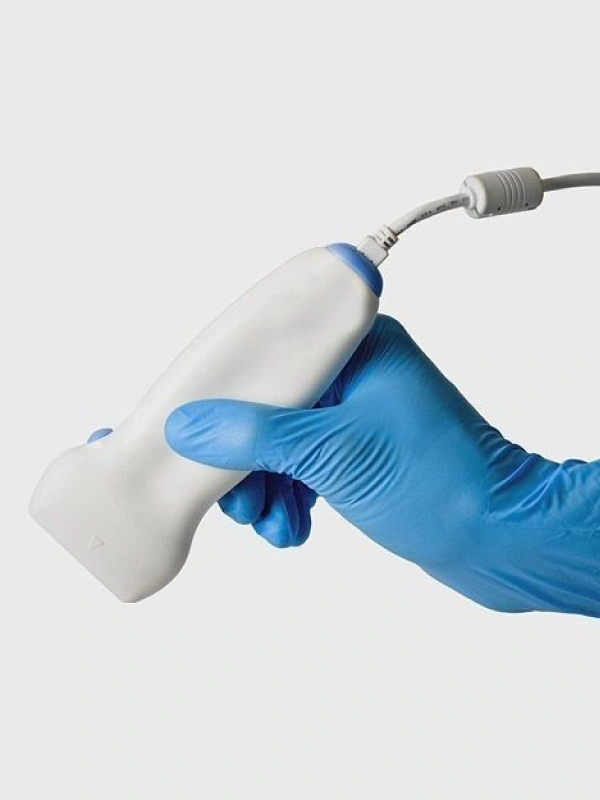
Assessment begins with a consultation and clinical breast examination. Depending on the patient’s age, symptoms, and individual risk factors, ultrasound, mammography, laboratory tests, or consultations with other specialists may be recommended.
Based on the findings, an individual management, treatment, or follow-up plan is developed.