The cardiovascular system performs a tremendous amount of work every day. The heart contracts thousands of times, ensuring continuous blood circulation and oxygen delivery to organs and tissues. Even minor changes in heart function or vascular condition may gradually affect wellbeing, energy levels, and overall health.
A cardiology check-up is a comprehensive diagnostic program designed to evaluate the condition of the cardiovascular system. This approach allows doctors to obtain detailed information about heart function, vascular health, and potential cardiovascular risk factors.
As part of the program, cardiology diagnostics include a specialist consultation, laboratory analysis, and instrumental examinations. The combination of these methods provides an objective assessment of the cardiovascular system and helps determine further monitoring or treatment strategies.
The examination begins with a specialist consultation. During the appointment, the cardiologist evaluates the patient’s cardiovascular profile, considering symptoms, lifestyle, physical activity levels, and family history. The doctor also reviews medical documents and identifies possible risk factors.
The next stage involves laboratory diagnostics. Blood tests help evaluate parameters that may affect cardiovascular health, including lipid profile and metabolic indicators.
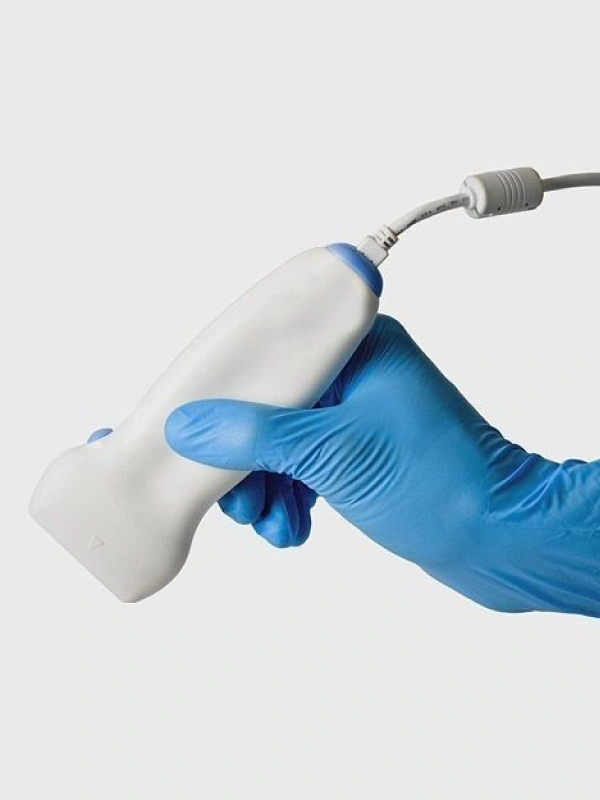
Instrumental examinations are an important part of the program. Heart ultrasound (echocardiography) allows evaluation of heart structure, valve function, and myocardial contractility. The examination helps detect structural changes in the heart muscle and assess the functional condition of the heart chambers.
Vascular ultrasound is also performed to assess the condition of arteries and veins. This examination helps detect signs of atherosclerosis, vascular narrowing, and blood flow disturbances. Together, these diagnostic methods provide a comprehensive cardiology evaluation and help identify changes at early stages.

Regular cardiology check-ups help detect risk factors early and prevent the development of serious cardiovascular diseases. Many cardiovascular changes may develop silently without noticeable symptoms for long periods.
A comprehensive examination allows doctors to evaluate heart and vascular health, detect early signs of atherosclerosis, assess cardiovascular risk levels, and develop personalized recommendations for maintaining heart health.
This approach makes cardiology diagnostics an important part of preventive medicine and helps maintain cardiovascular wellbeing for many years.