















Cervical screening is designed to detect changes in cervical cells at an early stage. Depending on individual indications, assessment may include cervical cytology (Pap test), HPV testing, and colposcopy.
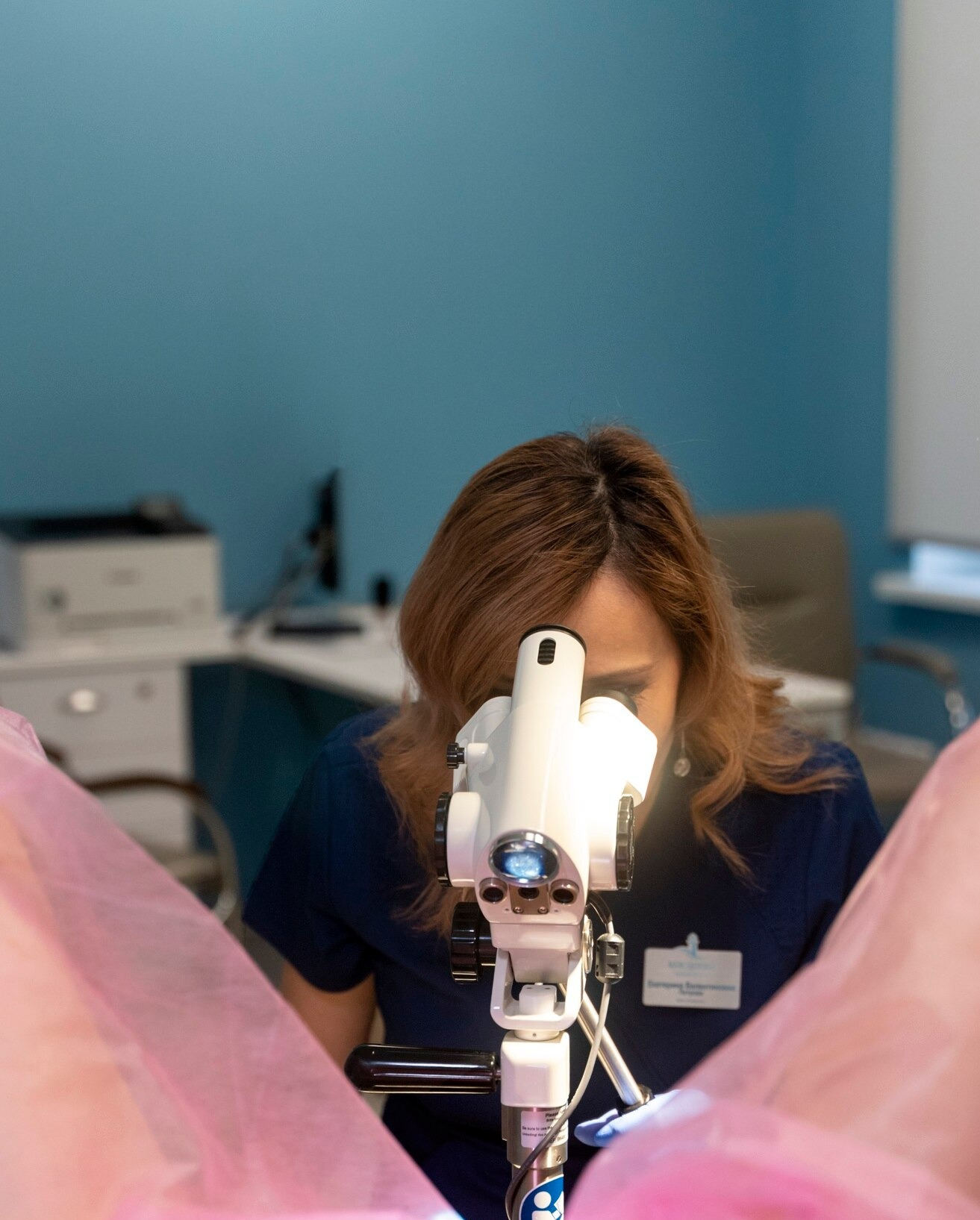
Colposcopy allows the doctor to examine the cervix under magnification and identify areas that may require closer evaluation or additional investigation.
The doctor performs a gynecological examination and, when indicated, collects samples for cervical cytology and HPV testing.
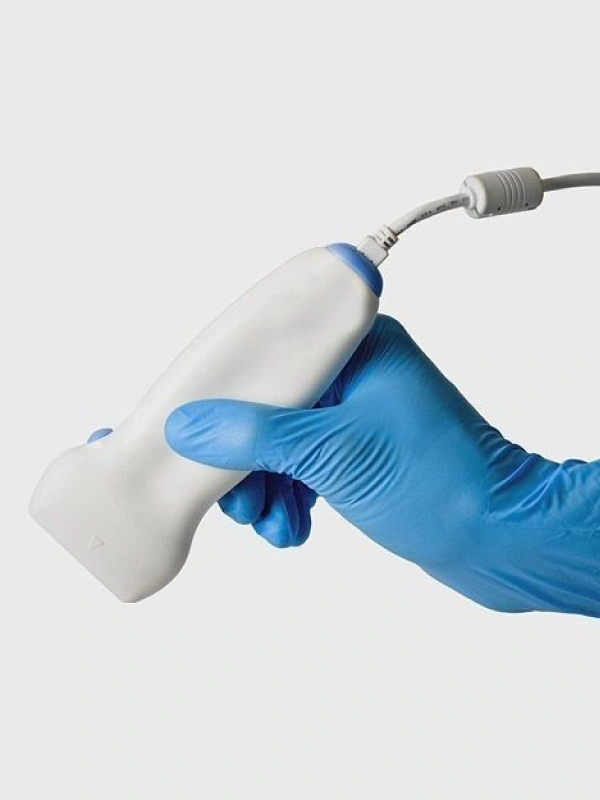
During colposcopy, the cervix is examined using a specialised magnifying instrument. If suspicious changes are identified, the doctor may recommend additional diagnostic procedures.
For 24–48 hours before the examination, patients may be advised to avoid sexual intercourse, vaginal medications, creams, and douching unless otherwise instructed by the doctor.
The optimal timing of the examination is determined according to the menstrual cycle and the patient’s individual circumstances.
The patient is positioned for a standard gynecological examination. The doctor examines the cervix and, when required, collects samples for laboratory testing.
During colposcopy, a specialised optical instrument is used to examine cervical tissue under magnification. The procedure is generally performed on an outpatient basis.