Weight Loss Check-up «Standard»

Weight Loss Check-up «Standard» Weight Loss Check-up «Standard»

Weight Loss Check-up «Standard»

A basic check-up for the diagnosis of hormonal and metabolic background before a weight loss program. It helps to identify metabolic disorders, hormonal imbalances and hidden inflammatory processes.
Designed for the initial assessment of patients experiencing excess weight, metabolic disorders, fatigue, and low energy levels. The selected tests target key factors that hinder weight loss: insulin resistance, hypothyroidism, vitamin D deficiency, chronic inflammation, and adrenal hormone imbalances. The included markers help identify underlying endocrine disorders and facilitate the development of a personalized weight loss or lifestyle modification plan.
check-icon
Assessment of tissue sensitivity to insulin
check-icon
Diagnosis of lipid metabolism disorders
check-icon
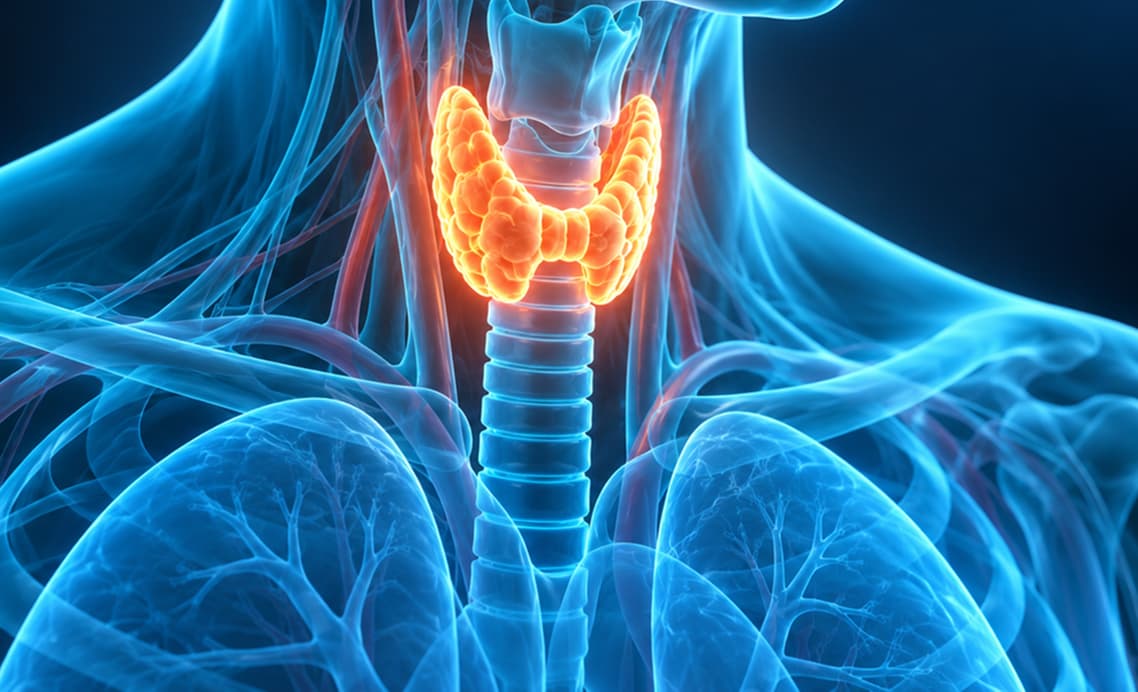
Assessment of thyroid function
check-icon
Detection of vitamin D deficiency
check-icon
Assessment of adrenal activity
check-icon
Diagnosis of a chronic inflammatory process
plus-icon
Weight gain, difficulty losing weight
plus-icon
Increased appetite, craving for sweets
plus-icon
Fatigue, reduced endurance
plus-icon
Mood swings, anxiety
plus-icon
Hair loss, menstrual cycle irregularities
plus-icon
Selection of an individualized nutrition and therapy plan
plus-icon
Suspected hypothyroidism, PCOS, metabolic syndrome
plus-icon
Assessment prior to starting a fitness program or therapy
Programme components
01
Insulin resistance index (HOMA-IR)

This indicator is calculated based on fasting glucose and insulin levels. It assesses the body's cellular sensitivity to insulin. Impaired sensitivity is the underlying factor in metabolic syndrome, contributing to obesity, diabetes, hypertension, and PCOS.

Normal range: < 2.5

Causes of elevated levels: excess weight, sedentary lifestyle, metabolic syndrome, type 2 diabetes
Causes of low levels: hypoglycemia, insulinoma, pancreatic insufficiency

02
Lipid profile (total cholesterol, LDL, HDL, triglycerides)

Comprehensive assessment of lipid metabolism. Includes total cholesterol, low-density and high-density lipoproteins (LDL and HDL), and triglycerides. It indicates the ratio of "bad" to "good" fats and helps identify dyslipidemia, atherogenic risk, and predisposition to cardiovascular diseases.

Reference ranges:
Total cholesterol: up to 5.2 mmol/L
LDL: up to 3.0 mmol/L
HDL: ≥1.0 mmol/L (men), ≥1.2 mmol/L (women)
Triglycerides: up to 2.2 mmol/L (men), up to 1.9 mmol/L (women)

Causes of elevated levels: hypercholesterolemia, overeating, hypothyroidism, metabolic syndrome
Causes of low levels: emaciation, anemia, hyperthyroidism, fat deficiency

03
Thyroid-stimulating hormone (TSH)

The primary regulator of thyroid function. It controls the synthesis of T3 and T4 hormones, which influence metabolism, body temperature, mood, weight, heart rate, and reproductive health. Even slight deviations in TSH levels can indicate underlying dysfunction of the thyroid gland or pituitary gland.

Normal range: 0.4–4.0 mIU/L

Causes of elevated levels: hypothyroidism, Hashimoto's thyroiditis, lithium use
Causes of low levels: thyrotoxicosis, pituitary insufficiency, thyroxine overdose

04
Vitamin D (25-hydroxyvitamin D)

It influences calcium absorption, immune function, mood, and body weight regulation. A deficiency can reduce insulin sensitivity, increase fatigue, and impair recovery after physical exertion. It is an important indicator of overall metabolic health.

Normal range: 30–100 ng/mL

Causes of elevated levels: high-dose vitamin D intake, hyperparathyroidism
Causes of low levels: lack of sunlight, gastrointestinal disorders, obesity, chronic inflammation

05
DHEA (dehydroepiandrosterone sulfate)

A hormone synthesized by the adrenal cortex. It influences energy levels, libido, muscle mass, immune function, and stress resilience. It serves as a precursor to androgens and estrogens. DHEA levels provide an assessment of adrenal activity and the body's overall hormonal balance.

Normal range for men: 160–449 µg/dL
Normal range for women: 98–340 µg/dL (depending on age)

Causes of elevated levels: hyperandrogenism, adrenal tumors, chronic stress
Causes of low levels: adrenal insufficiency, age-related decline, exhaustion

06
CRP (C-reactive protein, high-sensitivity)

A marker of systemic inflammation synthesized by the liver in response to inflammatory processes in the body. It indicates the presence of hidden foci of inflammation that can disrupt metabolism, hinder weight loss, and contribute to the development of atherosclerosis. Even a slight elevation in CRP may indicate chronic inflammation, autoimmune processes, or metabolic syndrome.

Normal range: up to 3 mg/L

Causes of elevated levels: obesity, occult infections, metabolic syndrome, chronic inflammation
Causes of low levels: immunodeficiency states

Weight Loss Check-up «Standard»
800 AED
Book
Book

Key Advantages
of Refresh Clinic

Your gateway to the science of longevity
Expertise & Care
Expertise & Care
All procedures are performed by nurses with 10+ years of practice — in an environment designed for comfort and trust.
Personal Health Concierge
From your first visit to long-term results, you are guided by an expert who tailors every stage to your needs.
Clinical Safety
Clinical Safety
Programs are designed by endocrinologists with attention to your metabolic profile and follow international quality standards.