











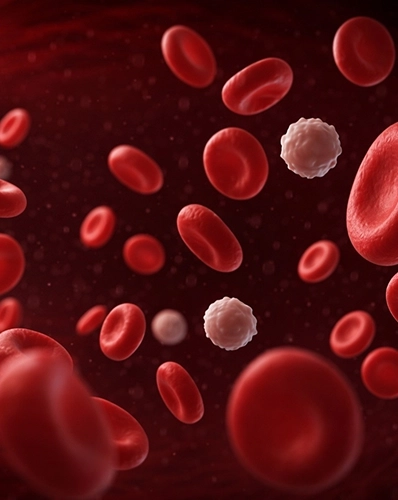
Lipid metabolism plays a key role in cardiovascular health. Cholesterol is involved in hormone synthesis and the formation of cell membranes, but excessive levels may gradually lead to structural changes in blood vessel walls. Particular attention is given to low-density lipoproteins (LDL), often referred to in clinical practice as “bad cholesterol.” This fraction is associated with the formation of atherosclerotic plaques and narrowing of blood vessels.
High cholesterol levels may remain asymptomatic for a long time. Meanwhile, vascular changes may accumulate gradually, increasing the risk of atherosclerosis, myocardial infarction, and stroke. For this reason, timely diagnosis and a well-designed treatment program are essential for preventing cardiovascular diseases. A cholesterol reduction program allows doctors to evaluate blood lipid levels, identify atherogenic fractions, and develop an individualized strategy for improving lipid metabolism.
The program begins with a consultation with a specialist. The doctor reviews the patient’s medical history, lifestyle habits, dietary patterns, and hereditary factors that may influence lipid levels. One of the key diagnostic steps is a lipid profile analysis. This test evaluates total cholesterol, low-density lipoproteins (LDL), high-density lipoproteins (HDL), and other indicators of lipid metabolism.
Special attention is given to atherogenic lipid fractions that may increase the risk of vascular complications. If elevated cholesterol is detected, the specialist evaluates potential causes of lipid metabolism imbalance and develops personalized recommendations.
The program also includes dietary guidance aimed at improving nutrition and reducing lipid levels. In some cases, medical therapy may be recommended to help control high cholesterol and prevent the development of atherosclerosis.
Modern cardiology focuses not only on identifying elevated cholesterol but also on assessing the patient’s overall cardiovascular risk profile. Based on laboratory indicators, medical history, and risk factors, a personalized correction strategy is developed.
A specialist consultation helps answer one of the most common questions patients ask: how to lower cholesterol without extreme restrictions and while considering individual health characteristics. A comprehensive approach helps reduce atherogenic lipid fractions, decrease stress on blood vessels, and prevent cardiovascular complications.