The fast pace of modern life requires substantial energy. While it might seem easy to recharge simply by grabbing a snack, food is not energy itself—it is merely a substrate for energy production.
To maintain vitality and peak performance, it is essential not only to ensure adequate caloric intake, but also to support cellular energy production. This energy is provided by adenosine triphosphate (ATP), synthesized within the mitochondria.
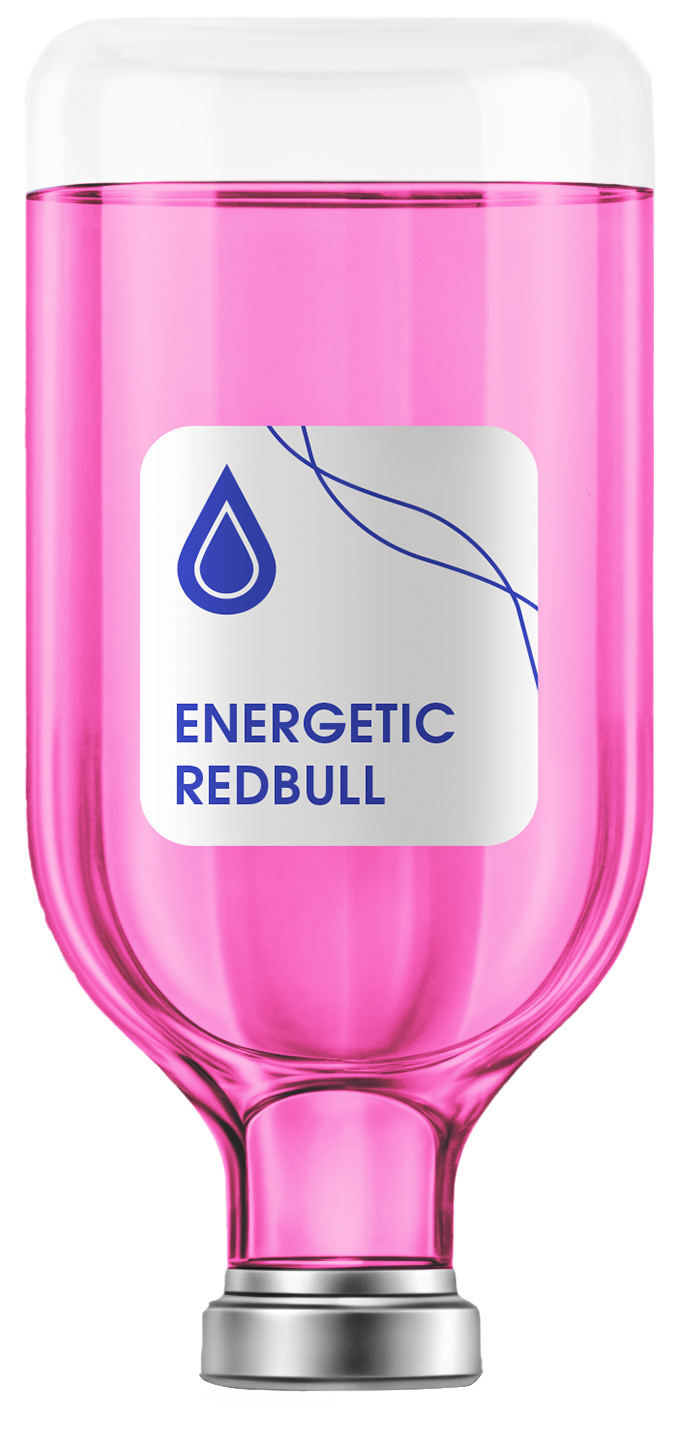
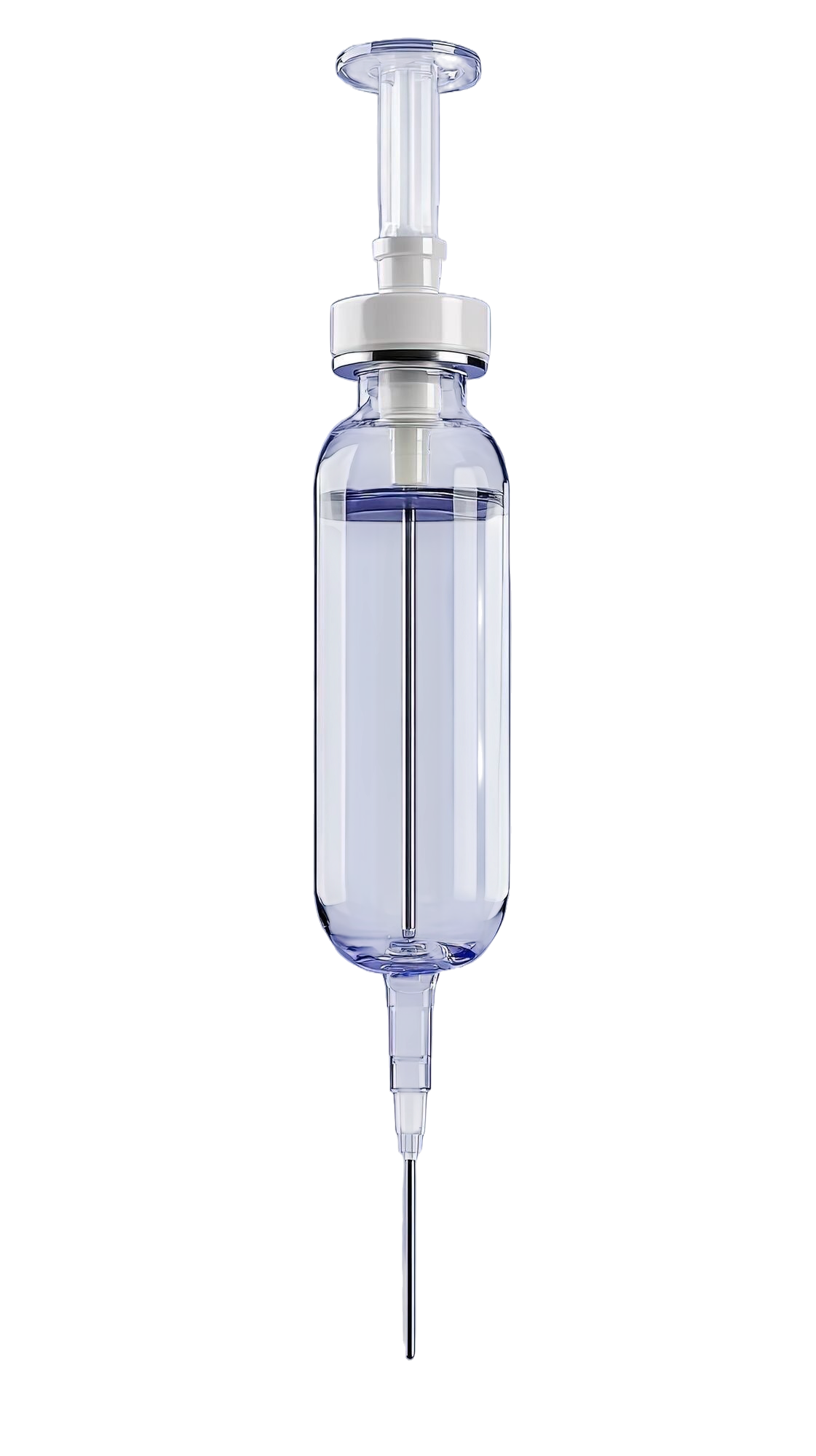
The "Energy" IV drip supports cellular energy metabolism. It is designed for individuals experiencing fatigue or energy depletion and can also be used supportively during periods of high stress—helping maintain performance without leading to chronic fatigue or burnout.
By supporting intracellular energy processes, the "Energy" IV drip promotes overall well-being, helps improve productivity, and, as part of a structured course, supports recovery from weakness, exhaustion, and sluggishness.
How the "Energy" IV Drip Works
Unlike conventional stimulants, the "Energy" IV drip does not force the body to run on empty. Instead of acting like a heavy foot on the gas pedal, it works more like refueling the tank while optimizing engine efficiency for cleaner, more effective energy output.
Key benefits:
-
Supports physical and mental endurance: Helps the body adapt to intense workloads, reduces feelings of overfatigue, and supports sustained productivity.
-
Optimizes cellular energy metabolism: Enhances tissue resilience under heavy physical or mental loads.
-
Promotes microcirculation: Supports the efficient delivery of oxygen and essential nutrients to muscles, organs, and the brain.
-
Helps manage stress and tension: Reduces manifestations of stress, and everyday tension while supporting emotional resilience.
-
Accelerates post-exertion recovery: Helps reduce muscle fatigue and shortens recovery time after workouts or illness.
-
Enhances overall tone and vitality: Helps restore vigor and relieves feeling of energy deficiency.
-
Supports restful sleep: Encourages smoother sleep onset and better overnight recovery, which is particularly beneficial during periods of sleep restriction.
Who Can Benefit
The "Energy" IV drip is designed for individuals facing heavy physical or mental demands who want to maintain high performance and restore energy levels.
Common indications include:
-
Chronic fatigue and low energy
-
General weakness and exhaustion
-
Symptoms of emotional burnout
-
Decreased focus and memory retention
-
Ongoing physical or psychological stress
-
Preparation for exams or demanding work projects
-
Post-athletic exhaustion
-
Support during recovery from illness
-
Persistent lethargy or drowsiness
Safety and Contraindications
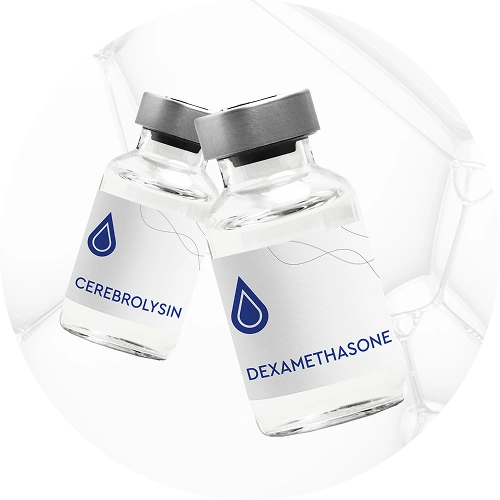
Because the IV drip contains multiple active ingredients, each component carries specific clinical considerations. A preliminary medical assessment is performed prior to every infusion to help evaluate suitability and minimize potential risks.
Main contraindications include:
-
Recent traumatic brain injury
-
Cerebral edema or elevated intracranial pressure
-
Decompensated alkalosis
-
Severe renal or hepatic impairment
-
Uncontrolled arterial hypertension
-
Active gastric ulcer disease
-
Urolithiasis (kidney stones)
-
Known hypersensitivity to any component
-
Pregnancy and breastfeeding
-
Age under 18 years
What to Expect During the Procedure
1. Consultation: A healthcare provider conducts an assessment, checks vital signs (blood pressure and pulse), and confirms the absence of contraindications.
2. Preparation: The nurse performs hand hygiene, dons sterile gloves, and prepares the sterile infusion set and solution.
3. Disinfection: The designated injection site (typically the inner elbow) is sanitized with an antiseptic solution.
4. Catheterization: The nurse gently places a thin, flexible peripheral venous catheter into the vein.
5. Securing: The catheter is secured with medical tape to ensure comfort and stability.
6. Infusion: The infusion line is connected, and the controlled drip begins.
7. Relaxation: The patient rests comfortably in a chair or on a couch for the duration of the session.
8. Completion: Once complete, the nurse stops the flow, removes the catheter, and applies a sterile bandage with light pressure to the puncture site.
Course Results
The "Energy" IV drip contains no central nervous system stimulants and does not cause energy spikes followed by crashes. Instead, infusion therapy delivers a gradual, balanced build-up of cellular support. To achieve optimal, long-lasting outcomes, a full course is recommended.
Potential outcomes of a completed course:
-
Sustained improvements in physical performance and stamina
-
Noticeable reduction in chronic fatigue and physical exhaustion
-
Improved focus, clarity, and cognitive function
-
Better emotional stability and stress tolerance
-
Faster recovery following physical exertion or illness
-
Enhanced cellular metabolic balance
-
Overall increase in daily vitality and well-being
Why Choose Refresh Doctor
-
Advanced Medical Expertise: Proprietary IV formulations and formulations developed in accordance with clinical standards.
-
Extensive Portfolio: Over 40 specialized IV formulations developed by experts in biochemistry and clinical therapy.
-
Physician Supervision: All courses are overseen by experienced physicians who customize protocols as clinically indicated.
-
Comprehensive Pre-Check: Pre-infusion medical evaluations are conducted before every procedure to screen for contraindications.
-
Integrative Approach: When indicated, IV therapy can be combined with complementary treatment protocols.