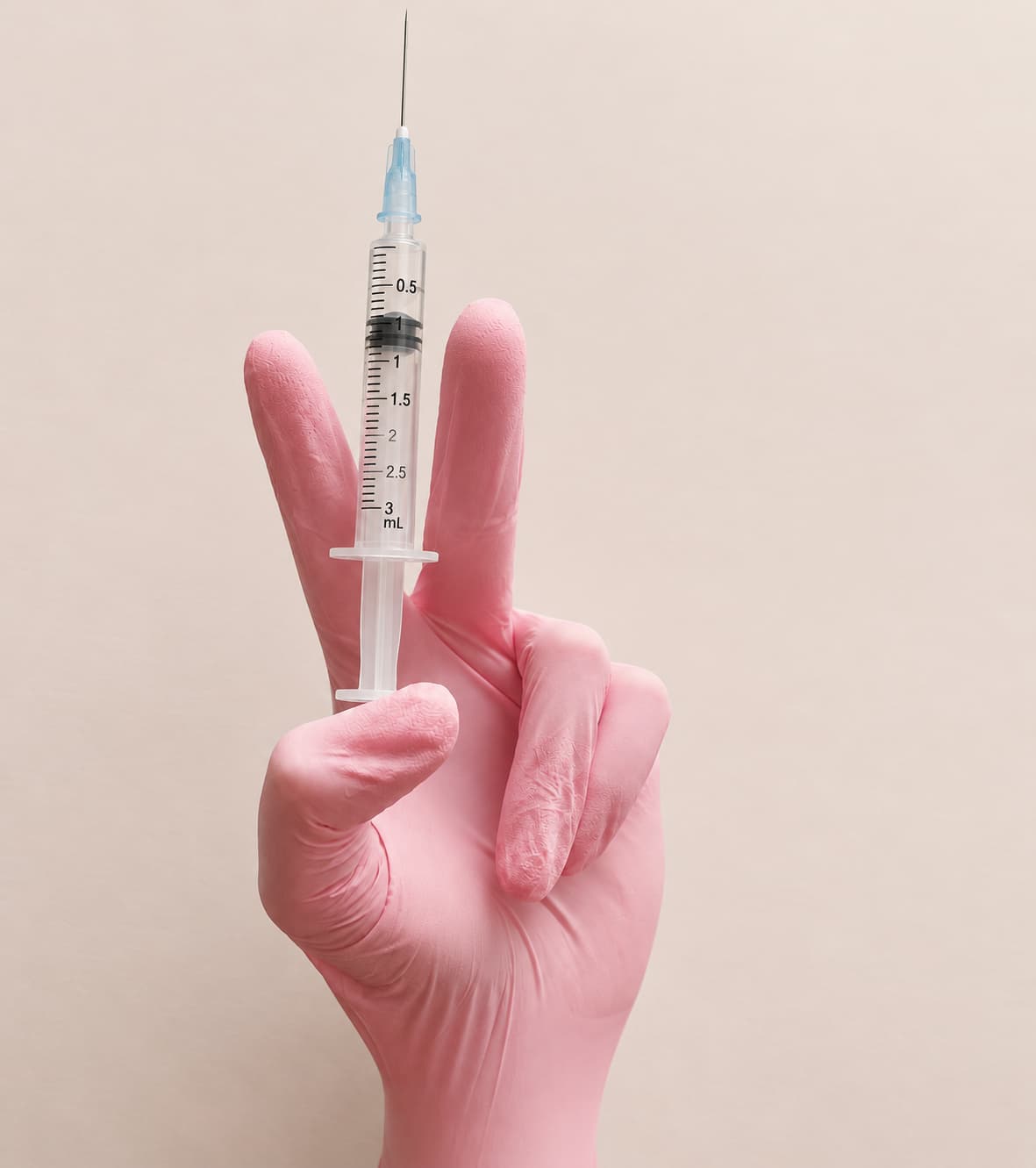
Fillers in aesthetic gynecology Fillers in aesthetic gynecology

Fillers in aesthetic gynecology

A delicate approach to intimate area correction tailored to individual anatomy and tissue condition. Hyaluronic acid fillers help restore volume, correct asymmetry and age-related changes, improve the contours of the external genital area, and enhance physical comfort.
Get consultation
Get consultation
Procedure Description

Aesthetic correction of the intimate area

Age-related changes, pregnancy and childbirth, weight loss, and individual anatomical features can affect the volume and condition of tissues in the intimate area. The labia majora may lose fullness, become less defined, or develop asymmetry. In some cases, these changes may be accompanied by dryness, increased tissue sensitivity, or physical discomfort.

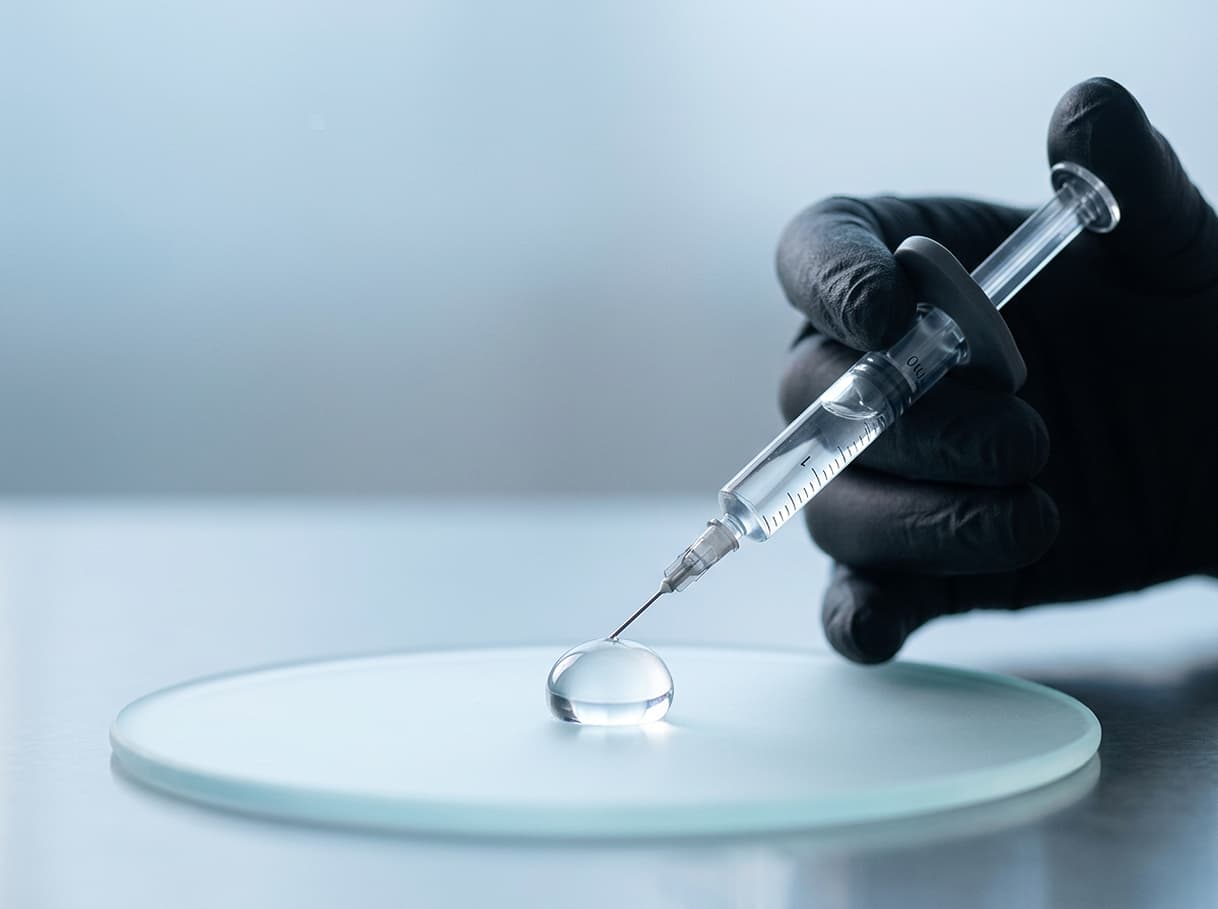
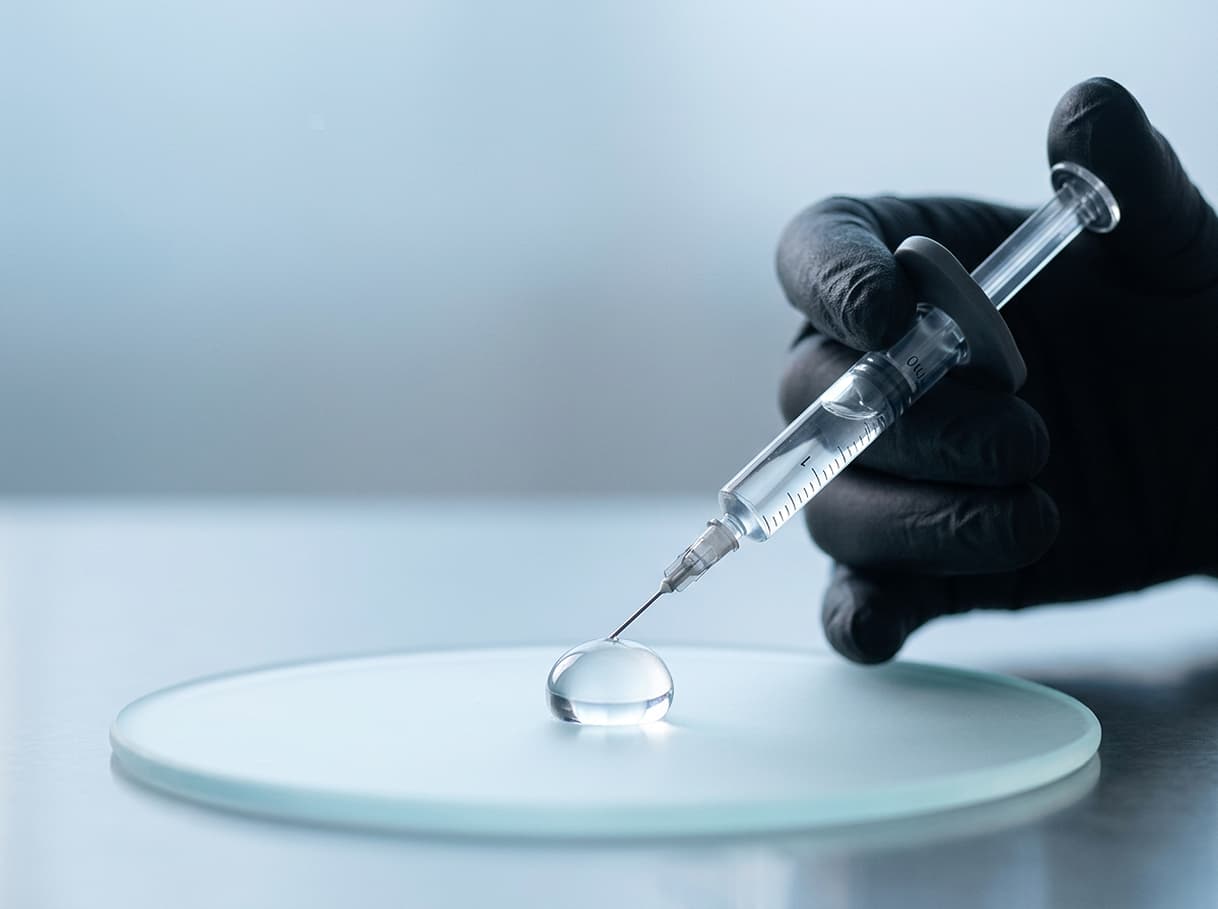
Injectable correction allows the doctor to target specific areas where volume restoration or contour enhancement is required. Hyaluronic acid fillers are used for the procedure, while the amount of product and injection technique are selected individually.

What happens during the procedure

The appointment begins with a consultation and gynecological examination. The doctor discusses the patient’s concerns and expectations, assesses the condition of the mucosa and soft tissues, determines the areas for correction, and rules out contraindications. The procedure is performed under local anesthesia. The filler is injected into the selected areas using a fine needle or cannula, after which the doctor carefully shapes the desired volume and tissue contours. The amount of product is determined individually based on anatomy and the goals of the correction.

Temporary swelling, increased sensitivity, or minor bruising at the injection sites may occur after the procedure. The doctor provides personalized recovery recommendations and advises when it is appropriate to resume sexual activity, physical exercise, sauna visits, and other procedures.

Fillers in aesthetic gynecology

Treatment areas

Labia majora

Restoration of lost volume and correction of asymmetry, age-related changes, or changes following childbirth

Vaginal vestibule

Tissue correction based on individual indications following a gynecological examination

Periurethral area

Injectable correction performed for medical indications after the doctor assesses the condition of the tissues

Other anatomical areas

The suitability and extent of correction are determined by the gynecologist based on individual anatomy and treatment goals

Volume, contours, and tissue quality

Hyaluronic acid has a high capacity to bind water and support tissue volume. Once injected, the filler restores volume where needed and allows the contours of the intimate area to be refined. When treating the labia majora, this can be particularly relevant for age-related volume loss, changes after childbirth, or significant weight loss. The correction helps restore fullness and proportion, reduce visible asymmetry, and improve the condition of the tissues in the treated area.

The result is visible after the procedure and can be fully assessed once post-injection swelling has subsided.

Natural proportions and a delicate result

The doctor works with each patient’s individual anatomy, precisely selecting the amount of filler and injection areas. The correction enhances natural proportions, restores volume where needed, and maintains the delicate aesthetics of the intimate area.

The effect gradually diminishes as hyaluronic acid naturally biodegrades within the tissues. The duration of the result depends on the product used, the amount of correction, the treatment area, and individual characteristics.

Get consultation
Result
Restoration of lost tissue volume
Correction of asymmetry in the intimate area
More defined and proportionate contours
Correction of age-related and postpartum changes
Improved tissue condition in the treated area
Enhanced physical comfort when clinically indicated
Indications
arrow
plus-icon
Age-related loss of tissue volume in the intimate area
plus-icon
Tissue changes following pregnancy and childbirth
plus-icon
Volume loss after significant weight reduction
plus-icon
Asymmetry of the labia majora
plus-icon
Insufficient volume of the labia majora
plus-icon
Changes in the contours of the external genital area
plus-icon
Dryness and discomfort in the intimate area when injectable correction is clinically indicated
Contraindications
arrow
minus-icon
Pregnancy and breastfeeding
minus-icon
Acute inflammatory conditions of the pelvic organs
minus-icon
Infectious or inflammatory processes in the intimate area
minus-icon
Active genital herpes
minus-icon
Acute infectious diseases
minus-icon
Blood clotting disorders
minus-icon
Hypersensitivity to the components of the filler
minus-icon
Active oncological diseases
minus-icon
Severe chronic diseases in the decompensated stage