

















Comprehensive Gut Restoration Through Diagnostics and Personalized Antiparasitic Care
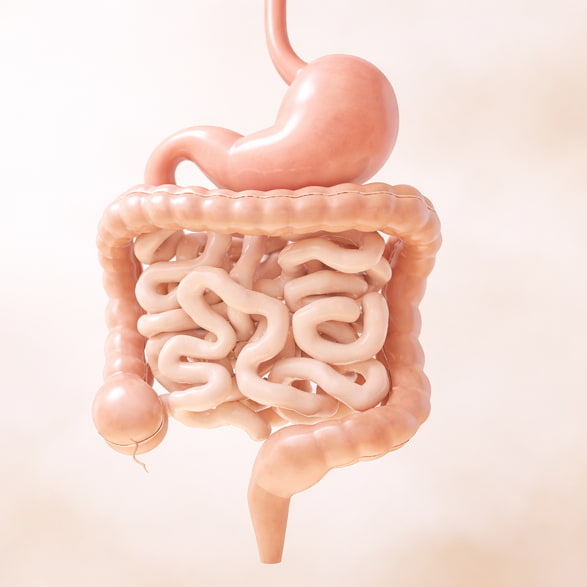
Gut health affects far more than digestion. Changes in the microbiome may influence nutrient absorption, energy levels, concentration, skin health, and the way the body responds to stress.
Bloating, irregular bowel move...
Gut health affects far more than digestion. Changes in the microbiome may influence nutrient absorption, energy levels, concentration, skin health, and the way the body responds to stress.
Bloating, irregular bowel movements, fatigue, brain fog, breakouts, and allergy-like reactions may accompany a possible parasite burden. However, the same symptoms may also be associated with H. pylori, microbiome imbalances, nutritional deficiencies, allergic inflammation, or changes in the function of abdominal organs.
This is why the program does not begin with a one-size-fits-all cleanse. It starts with a gastroenterologist consultation and comprehensive diagnostics. Based on the findings, the physician develops a personalized preparation, antiparasitic, and recovery plan.
The program is designed as a step-by-step medical strategy in which each stage supports the next, from comprehensive assessment and gut preparation to the main course and an individual recovery plan.
Diagnostics and a Personalized Medical Strategy
The initial consultation provides the foundation for the entire program. The gastroenterologist reviews your medical history, gastrointestinal function, food-related reactions, response to stress, skin concerns, and previous test results.
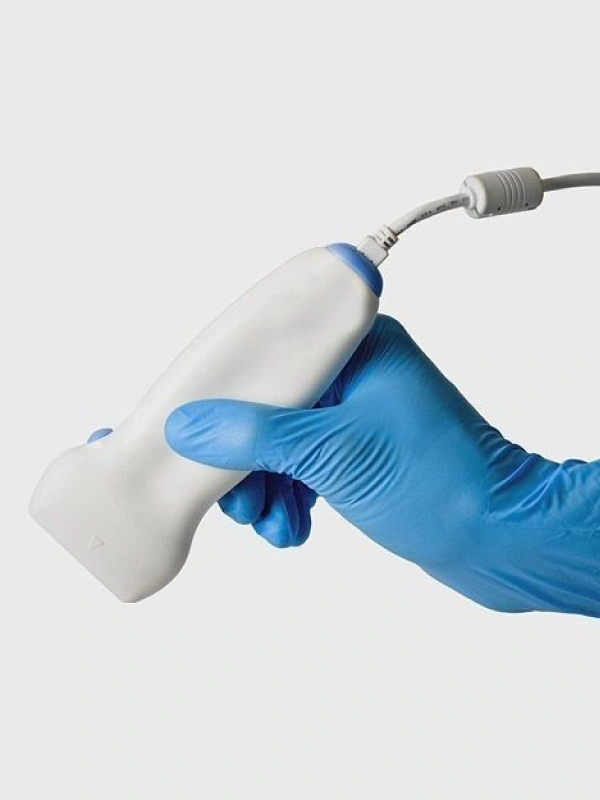
Comprehensive diagnostics help assess overall health, the intestinal environment and microbiome, H. pylori status, iron stores, liver, kidney, pancreatic, and thyroid function, as well as the condition of the abdominal organs.
Based on these findings, the physician determines the most appropriate strategy for your program.
Preparing the Gut for the Main Course
During the first week, the body is prepared for the next phase of treatment.
When indicated, the physician may prescribe antispasmodic and bile-flow support, monitor your well-being, and adjust the plan if necessary.
This preparation phase helps support the gastrointestinal and biliary systems before the main course begins.
Antiparasitic, IV, and Device-Based Support
The main course combines a physician-guided antiparasitic phase, personalized IV therapy, and device-based treatments.
The IV protocol is selected individually and designed to provide metabolic and antioxidant support.
IYASHI DOME and Icoone complement the program with thermal and lymphatic drainage support.
The treatments are scheduled in sequence, allowing the medical team to monitor the body’s response and adjust the protocol when necessary.
Recovery and Result Maintenance
After the main course, the physician evaluates changes in well-being and develops an individual long-term recovery strategy.
The patient receives a personalized nutrition plan, antiparasitic and bile-flow support protocol, supplement and peptide recommendations, lifestyle guidance, and a follow-up plan.
The Microbiome, Stress, and Immune Response: Why Gut Health Affects Overall Well-Being
The intestinal environment plays an important role in digestion, nutrient absorption, and maintenance of the gut barrier. Changes in the microbiome may be accompanied by bloating, irregular bowel movements, food sensitivity, and low energy.
Stress can influence intestinal motility, appetite, and the intensity of digestive discomfort. For this reason, the program considers the gut-stress axis and the way the gastrointestinal system responds to emotional strain.
The intestinal environment may also affect skin health. Breakouts, itching, dull-looking skin, and allergy-like reactions require a comprehensive assessment, as they may be linked not only to a possible parasite burden but also to allergic inflammation, H. pylori, nutritional deficiencies, or other conditions.
GENERAL GUT & PARASITE RESET combines diagnostics, personalized care, and recovery to address possible underlying factors rather than focusing on a single symptom.
Clinical Program Architecture



Key Advantages
of Refresh Clinic



FAQ