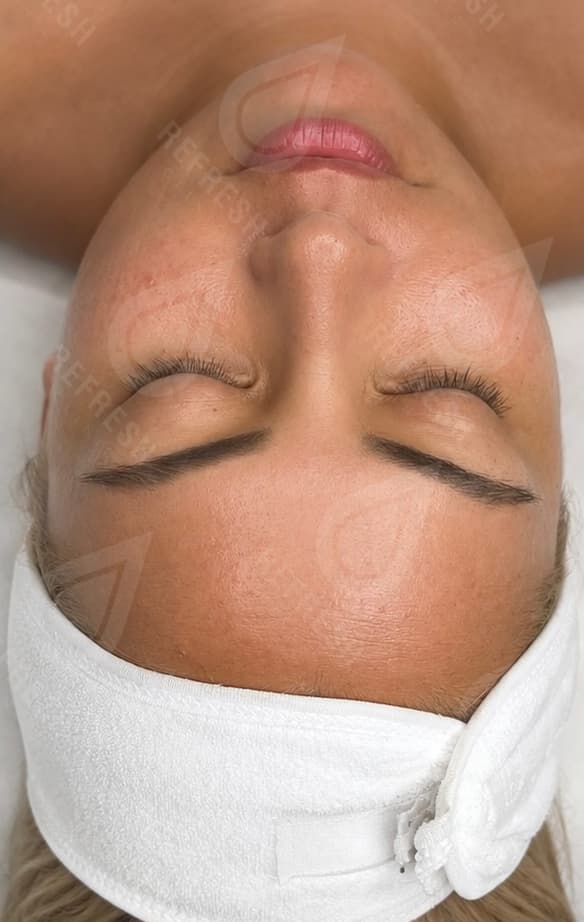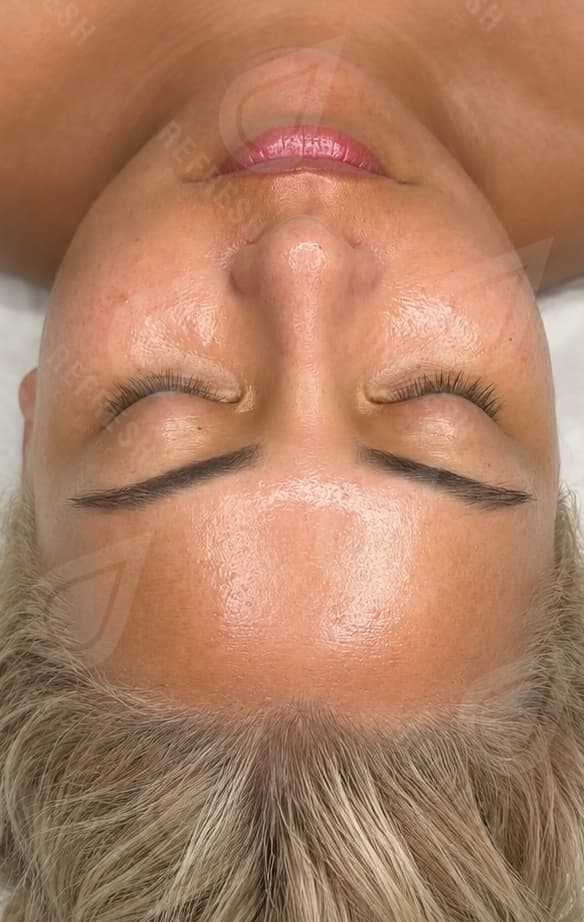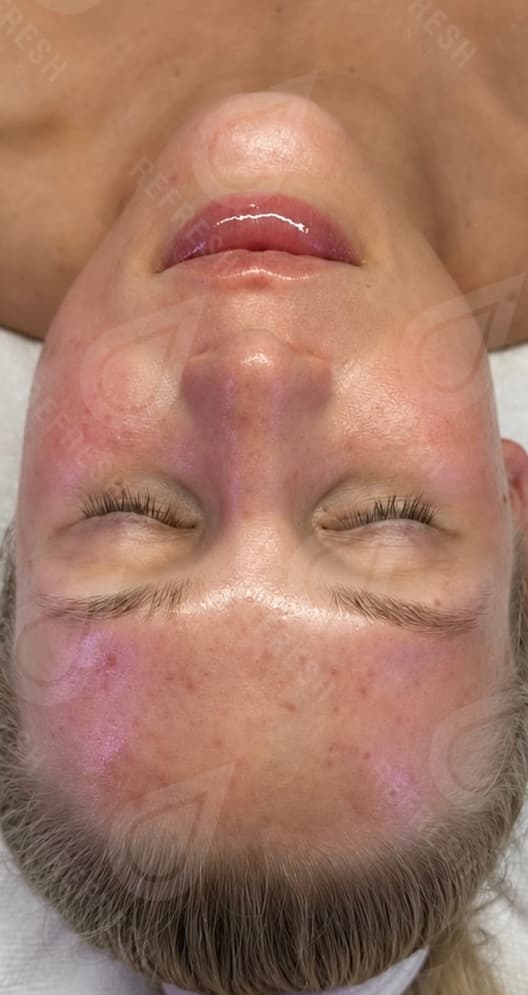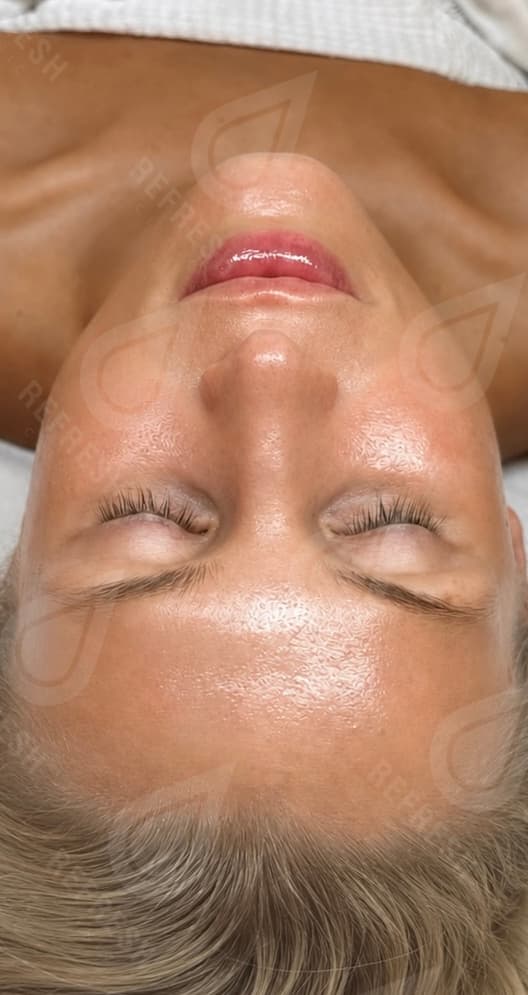







Glycolic peeling
Surface chemical peeling based on glycolic acid for skin renewal, smoothing tone and radiance without aggressive effects.
Get consultation


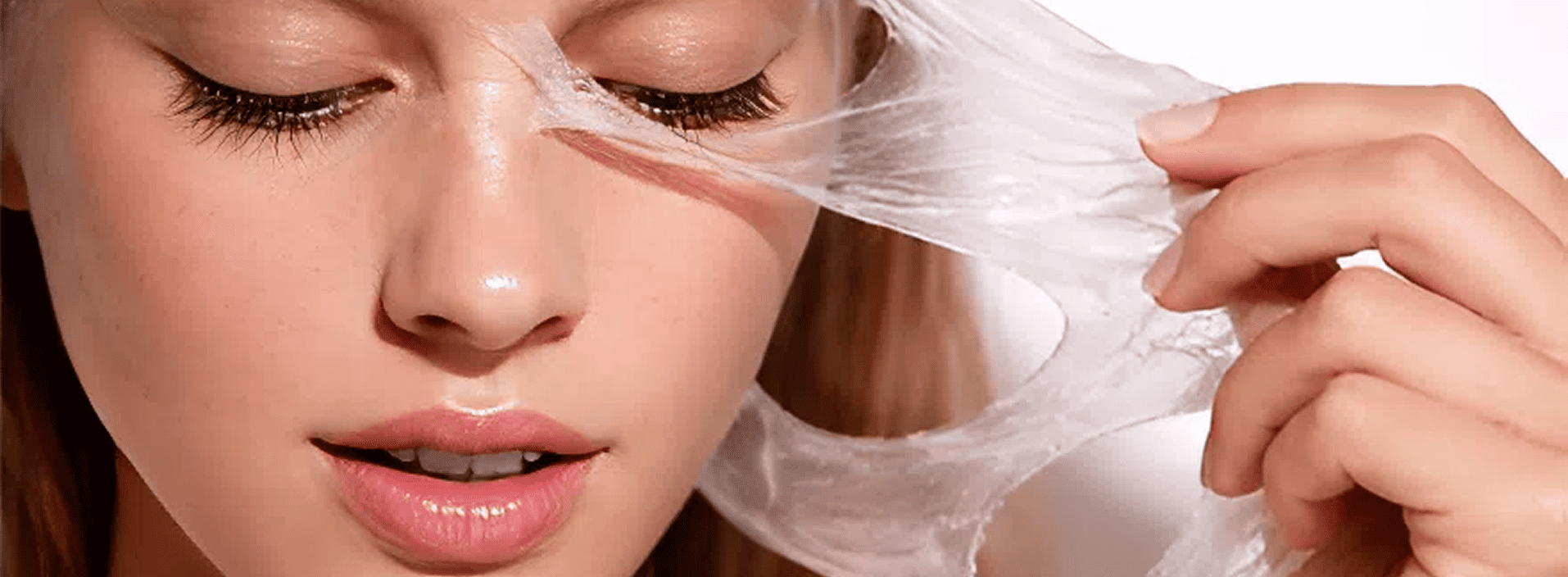

Glycolic peeling is one of the most sought–after procedures in aesthetic cosmetology, which allows you to gently and effectively renew the skin. The active ingredient is glycolic acid, which belongs to the group of AHA-acids. Due to the small size of the molecule, it penetrates into the surface layers of the skin and triggers a controlled exfoliation process.
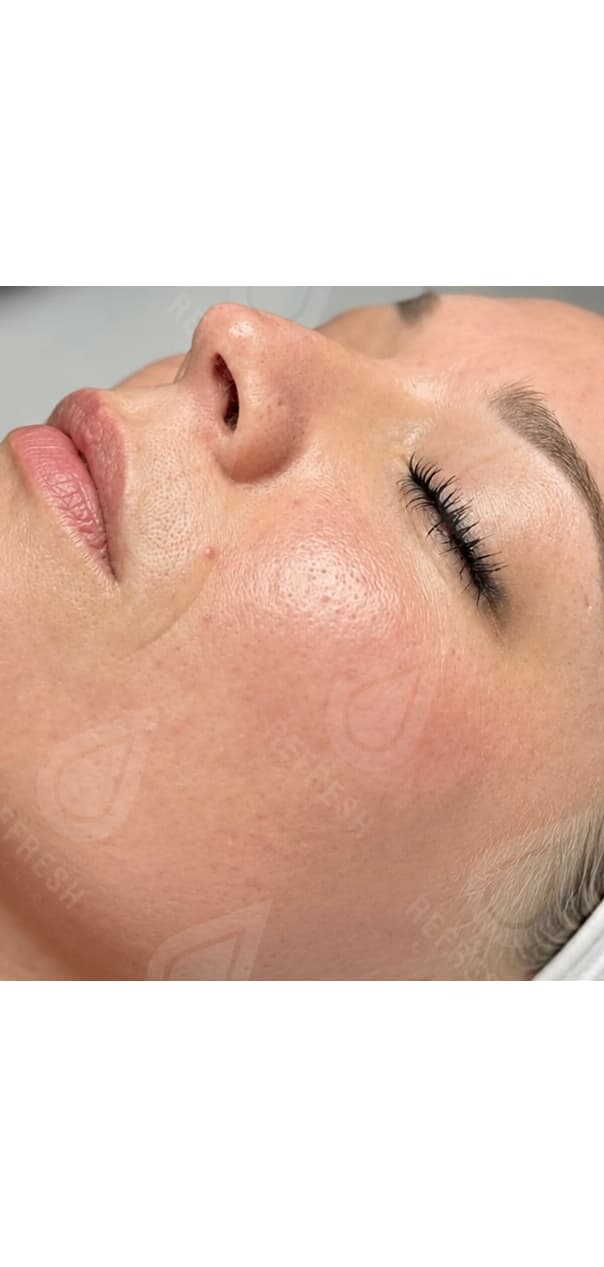
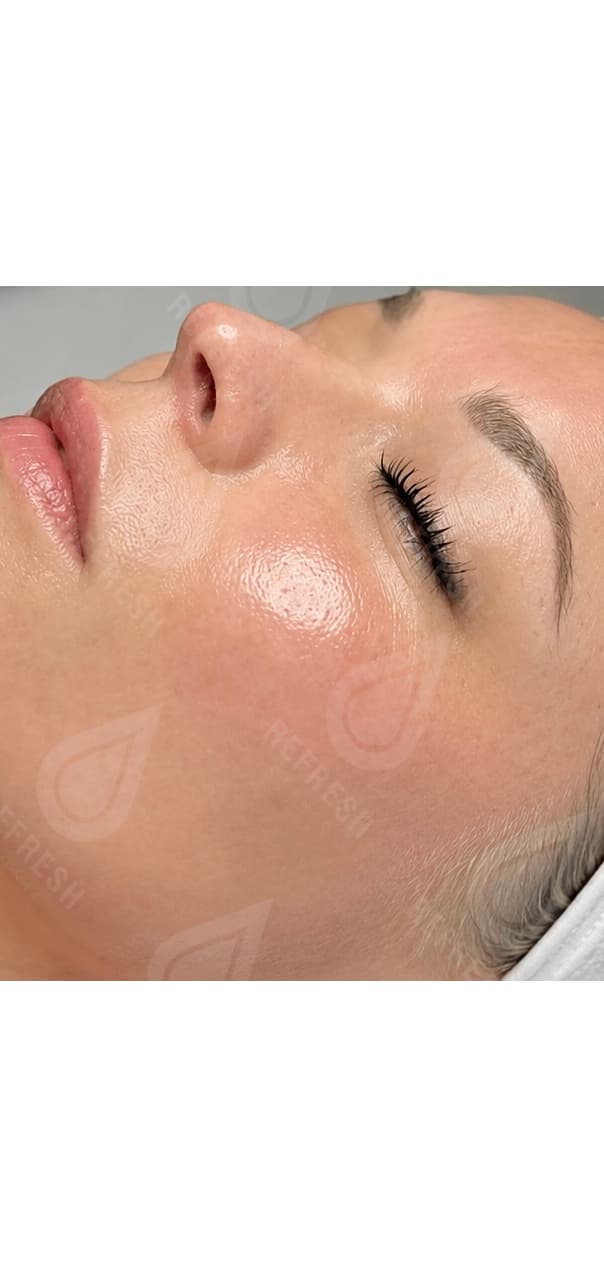
The procedure is performed with a dull complexion, uneven relief, enlarged pores, the first signs of age-related changes and post-acne. Glycolic acid ** helps the skin to renew faster, making it smoother, fresher and visually well-groomed. This is a delicate stimulation of natural renewal processes.
Before the procedure, the doctor evaluates the skin condition and selects the acid concentration. The skin is cleansed and degreased, after which a composition with glycolic acid is applied. The exposure time is strictly controlled by a specialist and depends on the sensitivity of the skin and the tasks set.
There may be a slight tingling or a feeling of warmth during the procedure. After the exposure is completed, the acid is neutralized, a soothing serum and an SPF cream are applied. The whole procedure takes about 30 minutes and does not require hospitalization.
Slight peeling may occur within a few days. A course of 4-6 procedures with an interval of 7-14 days is recommended.
Glycolic acid acid has the smallest molecule among AHA acids, which allows it to effectively penetrate the epidermis. It weakens the bonds between keratinized cells, accelerating their exfoliation, and at the same time stimulates collagen synthesis.
As a result, the skin doesn't just become smoother. It improves its density, evens out the tone, reduces the severity of pigmentation and fine wrinkles. Glycolic peeling activates microcirculation and enhances the penetration of after-care, so it is often included in comprehensive rejuvenation programs.