Intimate skin lightening Intimate skin lightening

Intimate skin lightening

A delicate approach to correcting hyperpigmentation in the intimate area for a more even and aesthetically refined skin tone. Professional lightening protocols help reduce the appearance of dark pigmentation while taking into account skin sensitivity, phototype, and individual pigmentation characteristics.
Get consultation
Get consultation
Procedure Description

Even tone in the most delicate area

The skin tone of the intimate area can change due to hormonal fluctuations, friction, hair removal methods, age-related changes, and genetic predisposition. These changes are natural, although pronounced or uneven pigmentation may become an aesthetic concern.

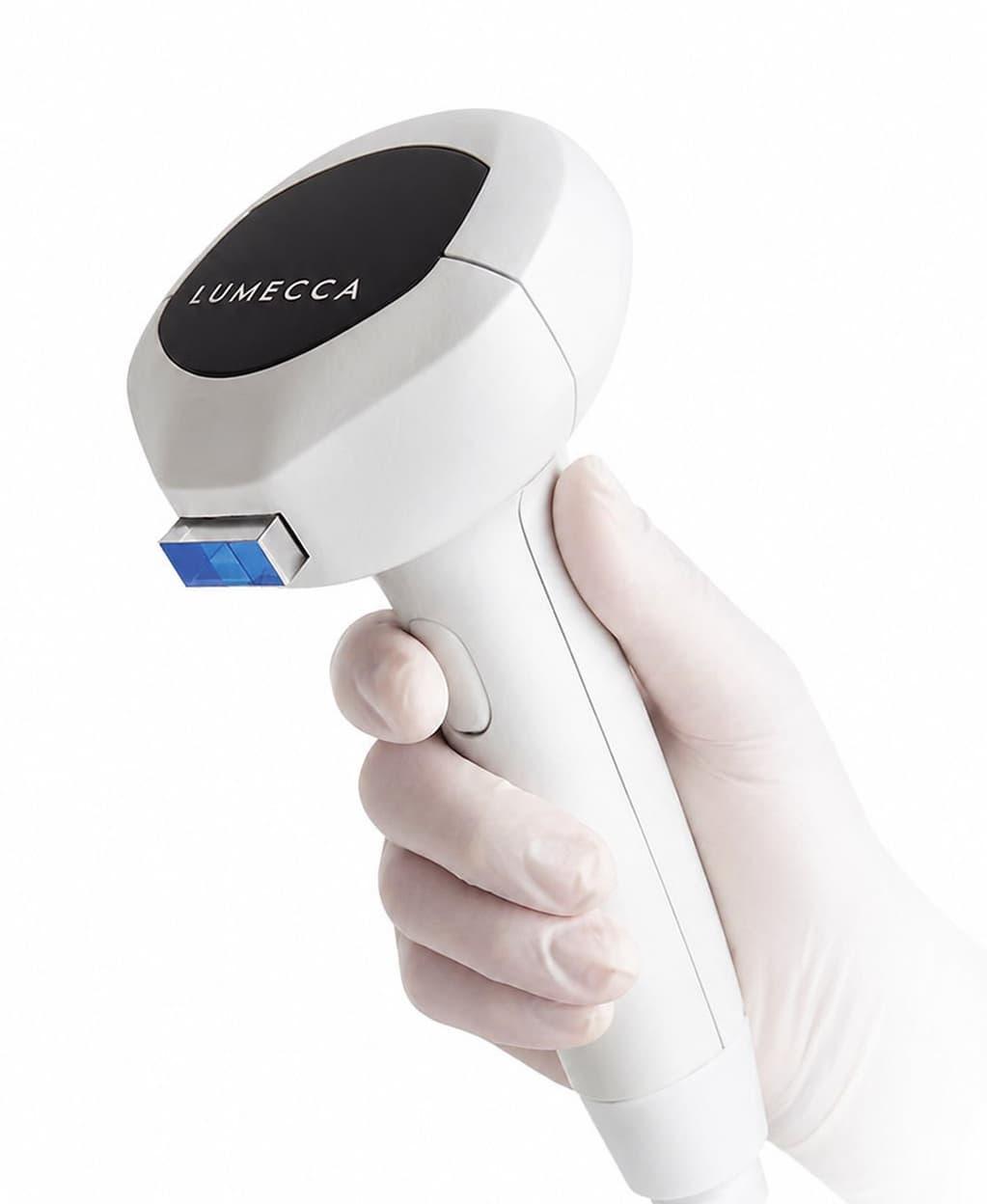
At Refresh Clinic, two methods are used for intimate skin lightening: Lumecca IPL phototherapy and professional peels. The doctor selects the most appropriate method based on the degree of pigmentation, skin phototype, sensitivity, and tissue condition. The treatments are designed to reduce excess pigmentation and gradually even out skin tone while preserving its natural shade.

What happens during the procedure

Before starting the treatment course, the doctor examines the area, assesses the location and intensity of pigmentation and the condition of the skin, and rules out contraindications. The appropriate correction method and an individual treatment protocol are then selected.

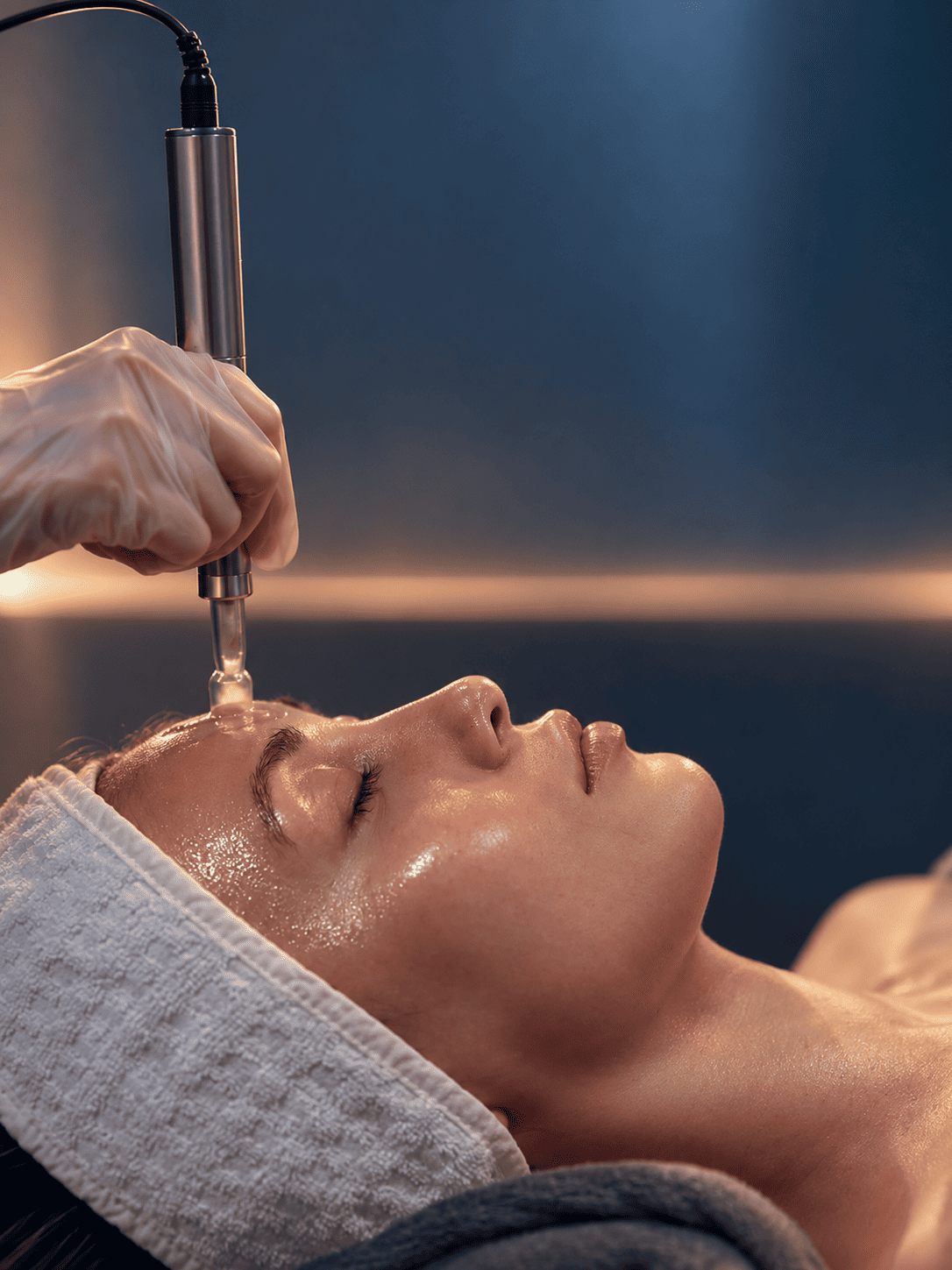
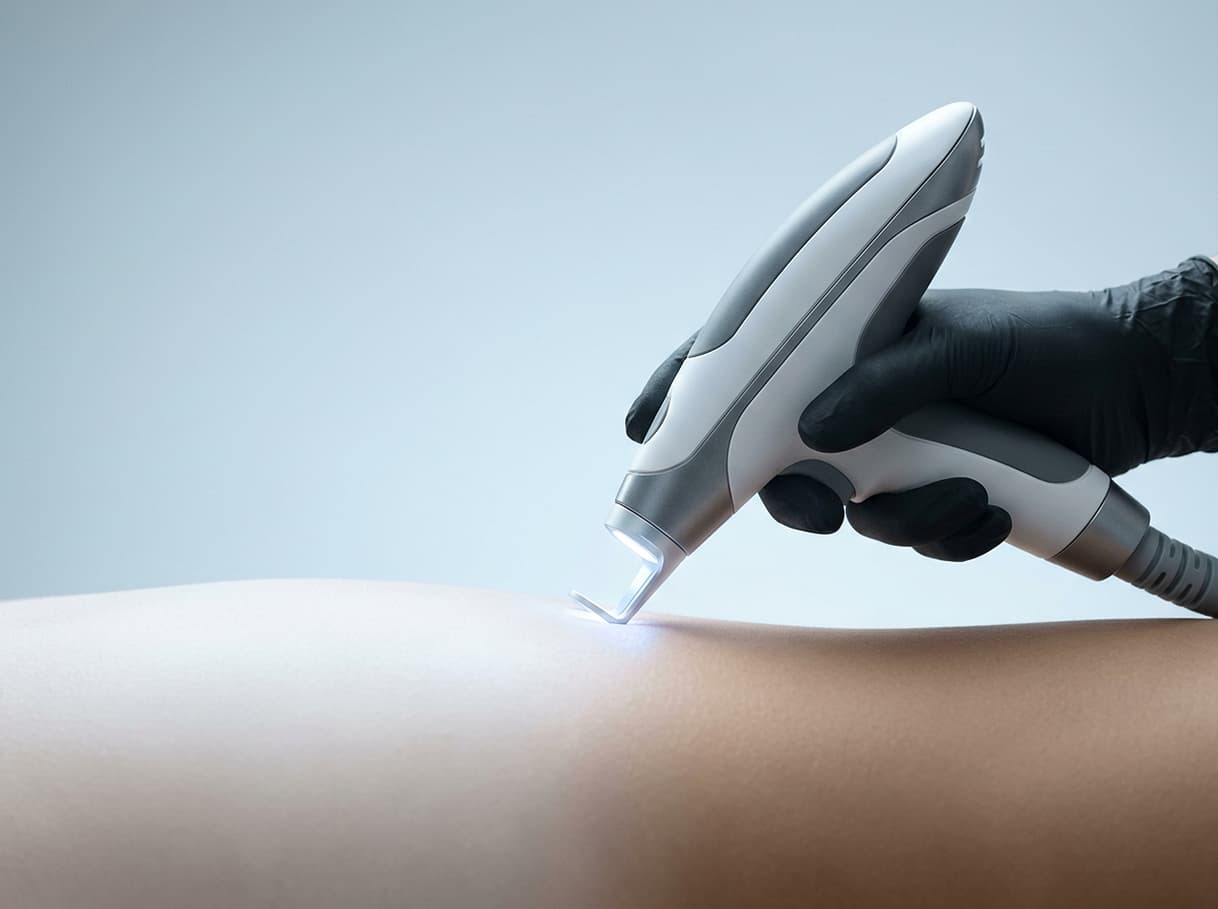
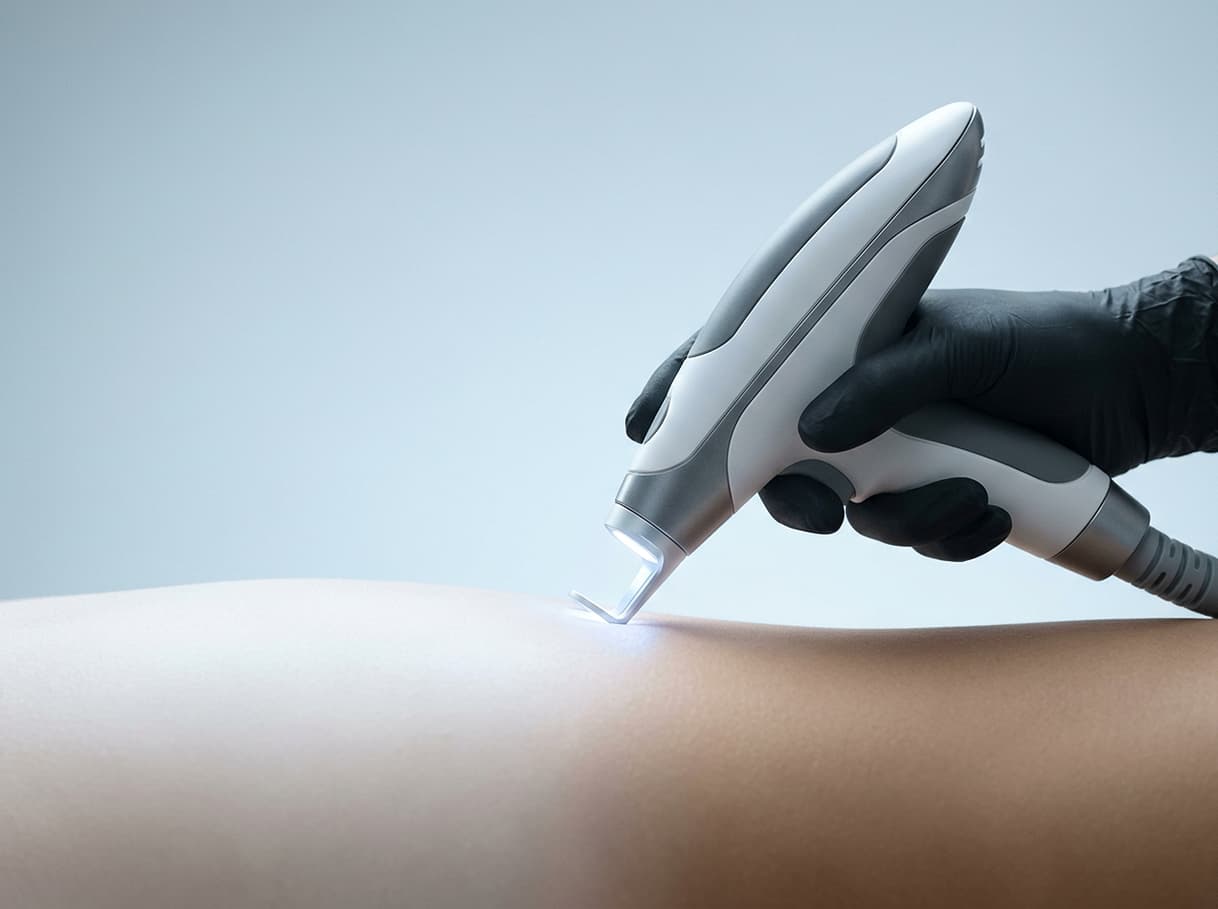
During Lumecca phototherapy, the skin is treated with pulses of intense light that target melanin. When professional peels are used, a specially selected formulation is applied to the treatment area to support the renewal of the superficial layers of the skin and gradually reduce the appearance of pigmentation.

Temporary redness and increased skin sensitivity may occur after the procedure. Mild peeling may also develop following a professional peel. The doctor provides personalized aftercare recommendations and determines the appropriate number of sessions.

Intimate skin lightening

Treatment areas

Labia majora

Correction of pronounced pigmentation of the external tissues and improvement of skin tone

Groin folds

Lightening of darker areas, including pigmentation associated with friction and individual pigmentation patterns

Perianal area

Delicate correction of localized hyperpigmentation when clinically appropriate

Inner thighs

Correction of uneven skin tone and areas of increased pigmentation in the surrounding area

Why does the intimate area become darker?

The intensity of pigmentation is determined by melanocyte activity and the amount of melanin in the skin. This process can be influenced by hormonal changes, pregnancy, age, persistent friction, hair removal, and an individual tendency toward hyperpigmentation.

Professional correction is designed to reduce the appearance of excess pigmentation while preserving the skin’s natural tone. The treatment helps create a visibly more even skin tone.

A gentle approach to pigmentation

The skin in the intimate area is highly sensitive, which makes the intensity of treatment particularly important. The doctor selects the method and treatment parameters based on skin phototype, tissue condition, and the depth of pigmentation.

Lightening occurs gradually. More pronounced pigmentation may require a course of treatments, while the final result depends on the cause of darkening and individual melanin activity. Hormonal changes, friction, and other contributing factors may influence the recurrence of pigmentation.

Get consultation
Result
Lightening of hyperpigmented areas
More even and uniform skin tone
Reduced appearance of localized dark areas
Improved skin texture and quality
A more refined appearance of the intimate area
Progressive improvement throughout the treatment course
Indications
arrow
plus-icon
Pronounced pigmentation of the intimate area
plus-icon
Uneven skin tone
plus-icon
Skin darkening following pregnancy or hormonal changes
plus-icon
Pigmentation associated with friction
plus-icon
Changes in skin tone after regular hair removal
plus-icon
Age-related pigmentation changes
plus-icon
Individual tendency toward hyperpigmentation
Contraindications
arrow
minus-icon
Pregnancy and breastfeeding
minus-icon
Acute inflammatory conditions in the intimate area
minus-icon
Infectious diseases of the genital area
minus-icon
Active genital herpes
minus-icon
Skin damage in the treatment area
minus-icon
Acute infectious diseases
minus-icon
Allergy or hypersensitivity to the components of the peels
minus-icon
Active oncological diseases
minus-icon
Severe chronic diseases in the decompensated stage