Due to chronic stress, quality of life often declines, productivity drops, "brain fog" sets in, sleep is disrupted, and long-term health complications may arise. The underlying reasons include changes in hormone levels, metabolism, and systemic circulation.
In fact, stress is an evolutionary protective mechanism. By producing key hormones—cortisol, adrenaline, and noradrenaline—the body stimulates the nervous system, sharpens the senses, and redistributes blood flow, allowing the muscles and brain to function at heightened capacity. However, this physiological response is meant to be temporary. When stress becomes a daily, persistent occurrence, it gradually depletes the body’s adaptive resources.
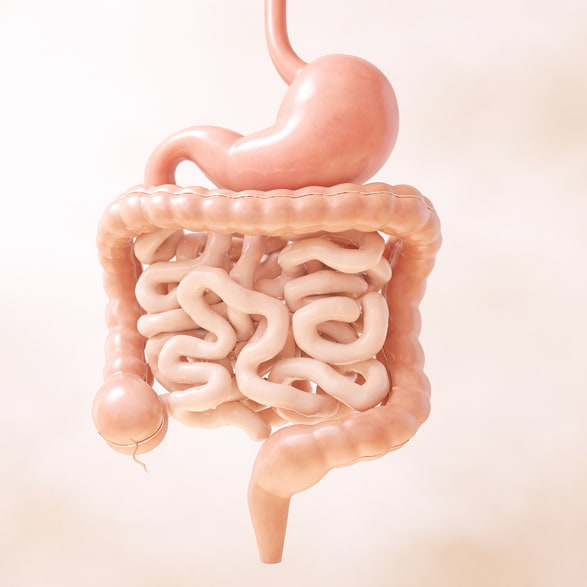
That is why addressing chronic stress early is important. Over time, unmanaged stress can transition into distress, contributing to both psychological strain and physical health concerns. Patients may experience blood pressure fluctuations, cardiac arrhythmias, tension headaches, abdominal discomfort, heartburn, or urinary dysfunction. Stress is a well-established contributing factor in numerous widespread clinical conditions and syndromes.
Chronic stress does not have to be tolerated. While it affects daily well-being today, it may increase the risk of chronic health conditions tomorrow. A comprehensive management plan often includes lifestyle modifications to eliminate stress triggers, psychotherapy, and pharmacological support—which may offer faster symptomatic relief during the initial stages of care.
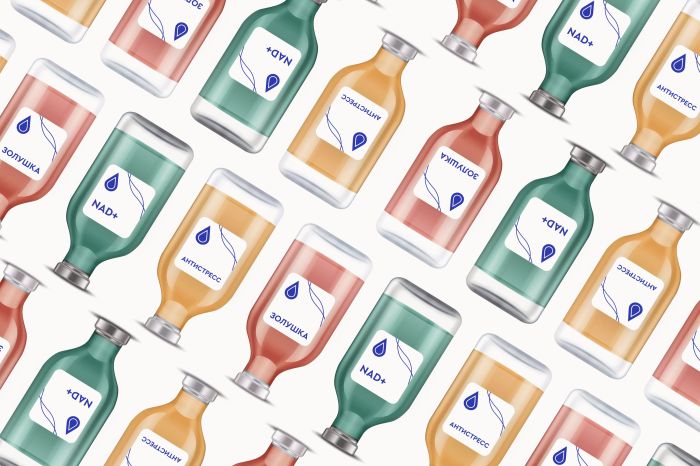
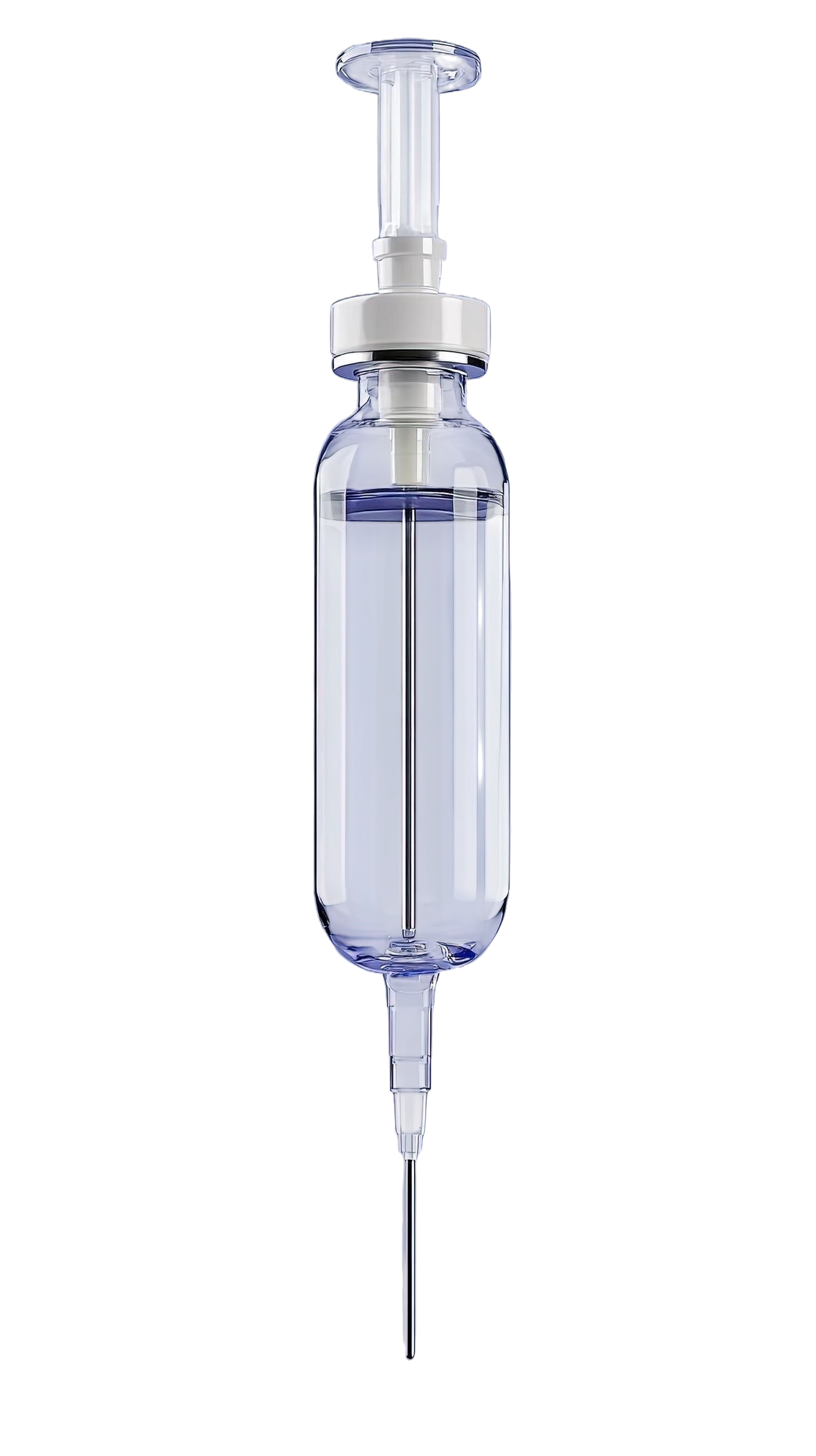
In our clinic, supportive therapy is offered through the "Antistress+" IV infusion. Intravenous support is designed to promote well-being and help normalize emotional balance, mitigating the physiological impact of prolonged stress.
What the "Antistress+" IV Drip Does
The IV drip is formulated to support general well-being, stabilize emotional tone, assist in stress management, and support metabolic processes affected by prolonged stress hormone production. It also helps support internal organ function and reduce the impact of stress-related physiological changes.
Main potential benefits of the IV drip:
-
Helps relieve emotional tension: Provides a supportive, relaxing environment during therapy to help ease daily strain.
-
Supports sleep quality: Assists in falling asleep more easily and promotes restful sleep, helping you feel more refreshed.
-
Enhances stress resilience: Supports the body's adaptive capacity during periods of emotional overload.
-
Promotes overall well-being: Supports energy levels and helps reduce heightened irritability.
-
Supports cognitive function: Assists with concentration and mental clarity.
-
Aids recovery from burnout: Helps the body bounce back following demanding periods such as exams, major projects, or prolonged worry.
-
Eases tension headaches: Helps alleviate discomfort and muscle strain caused by overwork.
-
Supports cardiovascular health under stress: Helps maintain cardiovascular stability and microcirculation.
-
Helps manage fatigue: Assists in replenishing energy reserves and restoring vitality.
Who the IV Drip Is Indicated For
The "Antistress+" IV drip is suitable for individuals experiencing emotional or physical exhaustion amid demanding workloads, high responsibilities, and a fast-paced lifestyle. It may benefit those navigating short-term stress (such as exams, deadlines, or major life events) as well as individuals dealing with prolonged stress who seek intravenous support to replenish depleted resources.
Indications for use:
-
Chronic stress
-
Heightened anxiety, irritability, or emotional lability
-
Persistent psycho-emotional strain
-
Chronic fatigue and daytime sluggishness
-
Impaired concentration and memory difficulties
-
Daytime somnolence or stress-induced insomnia
-
Emotional burnout and reduced productivity
-
Reduced mental and physical endurance due to stress
-
Functional abdominal pain, altered bowel habits, pelvic discomfort, blood pressure lability, functional heartburn, and other stress-associated symptoms (following the exclusion of underlying organic pathology)
Contraindications and Safety
The "Antistress+" IV formulation contains several components, each with specific contraindications. Identifying these factors is essential to ensure patient safety and minimize adverse risks. In our clinic, all patients undergo a medical evaluation prior to receiving infusion therapy.
Main contraindications:
-
Severe renal or hepatic impairment
-
Advanced heart failure or severe cardiovascular instability
-
Recent stroke or transient ischemic attack (TIA)
-
High-grade atrioventricular (AV) block
-
Inborn errors of metabolism causing hyperhomocysteinemia or homocystinuria
-
Severe psychiatric disorders
-
Known hypersensitivity or allergy to any component
-
Pregnancy
-
Lactation (breastfeeding)
-
Age under 18 years
How the Procedure Works
1. The physician conducts a clinical evaluation, measures blood pressure and heart rate, reviews medical history, and confirms the absence of contraindications.
2. The patient is escorted to a comfortable relaxation room and seated in an ergonomic recliner.
3. A nurse cleanses the skin with an antiseptic and inserts a thin peripheral venous catheter.
4. The IV infusion system, prepared with the solution, is connected to the catheter.
5. During the session (approximately 90 minutes), the patient may rest, listen to music, or read.
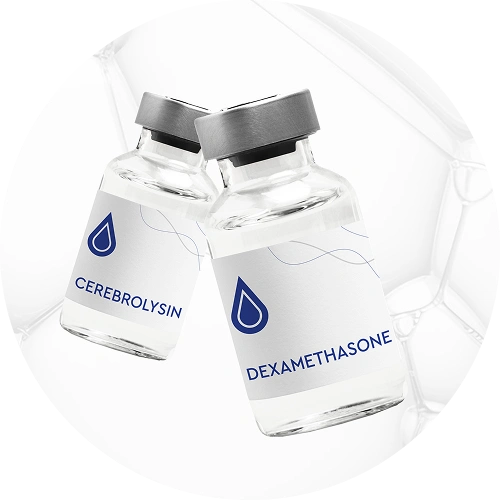
6. An additional component with mild mood-stabilizing and hepatoprotective properties may be administered as a slow IV bolus through the same port.
7. The nurse removes the catheter. Following a brief post-procedure check, the patient may resume daily activities.
Results After a Course
While a single infusion can offer temporary relief, addressing chronic stress typically requires a structured approach. Undergoing a full course alongside recommended lifestyle modifications yields more sustained outcomes.
A complete course of infusion therapy is designed to provide lasting support—helping stabilize emotional balance, improve stress tolerance, and reduce stress-related physical discomfort.
Potential outcomes:
-
Improved emotional stability
-
Reduced levels of anxiety, nervousness, and irritability
-
Reduction in symptoms of chronic fatigue
-
Better sleep quality and pattern normalization
-
Enhanced daily focus and productivity
-
Improved memory, concentration, and cognitive performance
-
Strengthened resilience to environmental and information overload
-
Restored energy balance
-
Autonomic nervous system balance and reduction of functional physical symptoms
-
Better management of stress-related health parameters
-
Faster recovery following intense emotional or mental strain
Why Choose the "Antistress+" IV Drip at Refresh Doctor
-
A specialized medical center providing tailored IV formulations informed by clinical standards and current medical research.
-
Every infusion is preceded by a physician consultation to evaluate health status, review medical history, and rule out contraindications.
-
Procedures take place in dedicated relaxation zones equipped with comfortable recliners where you can relax or rest during the 90-minute session.
-
When clinically appropriate, the infusion protocol is customized to match your health parameters, stress levels, metabolic needs, and personal goals.
-
The "Antistress+" drip can be integrated into a broader, comprehensive stress-management plan.