The liver is the body's primary organ for detoxification. While the concept of toxins accumulating directly within the organ itself is a common misconception, supporting liver health remains important for preventing and managing hepatic conditions.
What does "cleansing" actually address? In clinical terms, it refers to reducing excess hepatic fat and improving bile viscosity.
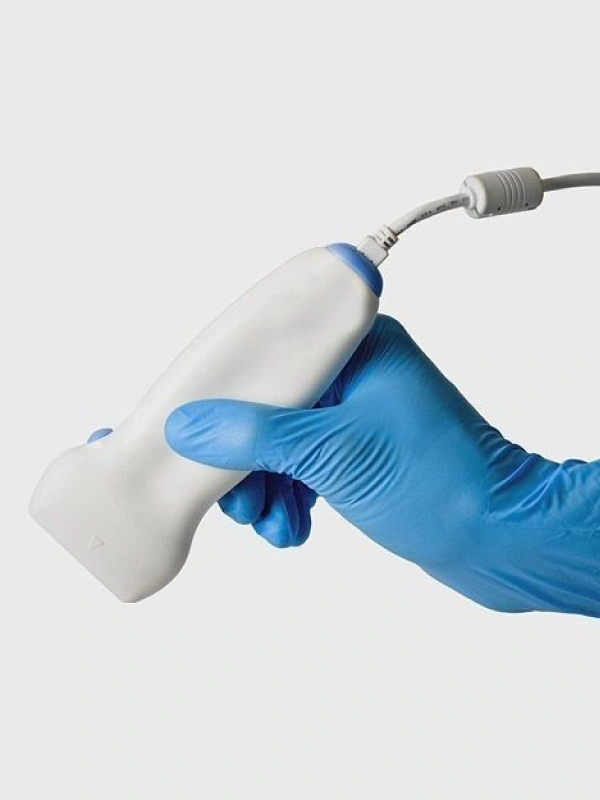
Steatosis involves fat accumulation in liver tissue, which can be identified via ultrasound. In its early stages, this condition is reversible—fat deposits can be reduced by optimizing hepatic metabolism. Left unmanaged, it may progress through a cascade of pathological changes: steatosis, steatohepatitis (inflammation), fibrosis, cirrhosis, and potentially end-stage liver disease. While this progression does not occur in every individual, timely intervention is important, as structural tissue changes become significantly harder to reverse once fibrosis develops.
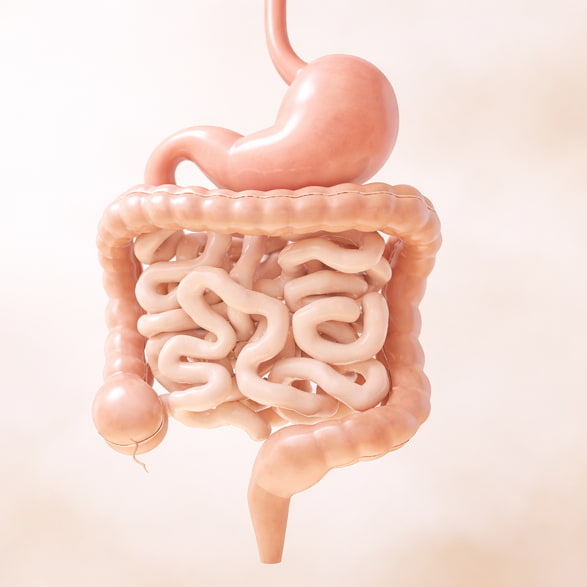
Infusion therapy also helps address biliary stasis by improving bile composition and fluid dynamics. Poor bile flow can lead to sludge formation, gallstones, biliary colic, acute cholecystitis, or gallbladder dysfunction—conditions that frequently require cholecystectomy (gallbladder removal).
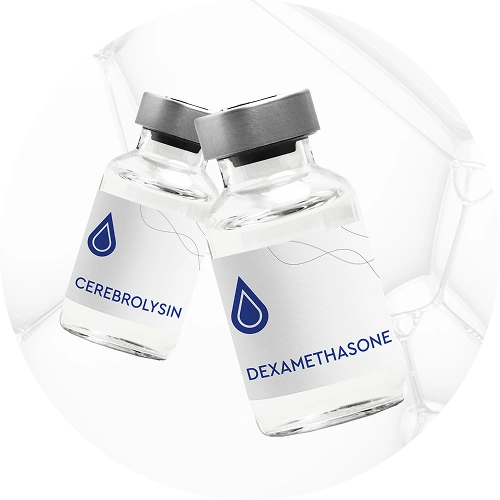
The "Liver Cleansing" IV drip is designed as a supportive wellness and preventive treatment. It is used to support liver function, protect hepatocytes, and serve as an adjunctive step alongside comprehensive oral therapy and lifestyle modifications.
How the "Liver Cleansing" IV Drip Works
The drip is formulated to support patients with hepatic steatosis (fatty liver) and impaired bile flow. Infusion therapy helps protect liver tissue from progressive degenerative changes and supports the management of metabolic imbalances in the liver.
Key Potential Benefits:
-
Supports Cell Membrane Integrity: Helps stabilize hepatocyte cell membranes.
-
Enhances Metabolic Processes: Supports hepatic enzyme systems to optimize metabolic function.
-
Assists Detoxification: Helps with the processing and clearance of metabolic waste, medication residues, and alcohol breakdown products.
-
Optimizes Bile Composition: Improves the chemical profile of bile to help prevent stasis, thickening, and sludge formation.
-
Modulates Inflammatory Processes: Helps reduce inflammatory responses associated with fatty liver changes and steatohepatitis.
-
Provides Antioxidant Support: Helps neutralize free radicals to reduce oxidative stress on cell membranes.
-
Supports Enzyme Regulation: Aids in stabilizing serum ALT and AST levels by reducing hepatocyte stress.
-
Promotes Cellular Recovery: Supports natural regenerative mechanisms within liver tissue.
Indications
Because liver conditions often remain asymptomatic in the early stages, proactive assessment is essential. Hepatic changes are primarily identified through laboratory tests and diagnostic imaging.
Common Indications:
-
Elevated liver enzymes (ALT, AST, GGT)
-
Ultrasound or elastography signs of hepatic steatosis
-
Hepatic steatosis (fatty liver disease)
-
Toxic or alcohol-induced hepatic strain
-
Chronic liver conditions (as supportive adjunctive therapy)
-
Secondary liver involvement associated with systemic metabolic conditions
-
Liver support during treatment with potentially hepatotoxic medications
-
Recovery support following viral infections or toxic exposures
-
Risk factors: metabolic syndrome, obesity, alcohol use, high medication load, or exposure to occupational toxins
-
Symptoms of biliary dysfunction: persistent bitter taste, right upper quadrant discomfort, nausea, or digestive irregularities
Contraindications and Precautions
The IV drip contains active pharmacological components. A pre-drip clinical evaluation by a physician is mandatory to assess suitability and rule out contraindications.
Contraindications include, but are not limited to:
-
Decompensated heart or renal failure
-
Hypokalemia or severe electrolyte imbalances
-
Active thromboembolism and hypercoagulable states
-
Active malignancies
-
Hypersensitivity or known allergy to any component
-
Age under 18
-
Pregnancy and breastfeeding
-
Use with caution: Diabetes mellitus and conditions associated with severe hyperglycemia
-
Procedure Overview
-
A physician conducts an evaluation, reviews medical history, and confirms the absence of contraindications.
-
A qualified healthcare professional places a sterile peripheral IV catheter into a vein, typically in the antecubital fossa.
-
The nurse connects the customized infusion solution and adjusts the drip rate.
-
The infusion takes approximately 30 to 60 minutes, during which the patient can rest comfortably.
-
Upon completion, the catheter is removed, and a sterile dressing is applied to the puncture site.
Expected Outcomes
Because early stage liver changes are often clinically silent, improvements are primarily evaluated through follow-up laboratory testing and ultrasound imaging.
Potential Outcomes:
-
Support in slowing the progression of metabolic liver changes
-
Gradual reduction in hepatic lipid accumulation
-
Positive trends in serum liver enzyme markers
-
Improved cellular resilience against toxic and metabolic stressors
-
Optimization of systemic lipid and metabolic profiles
-
Relief from functional digestive and biliary discomfort
Why Choose "Liver Cleansing" at Refresh Doctor
-
A leading medical center specializing in IV infusion protocols and targeted metabolic therapies.
-
Carefully formulated protocols designed to support liver function safely and effectively.
-
Thorough pre-treatment screening to identify contraindications and ensure patient safety.
-
Objective monitoring of treatment response using laboratory diagnostics.
-
Customizable infusion plans tailored to individual clinical requirements.
-
Integrated medical care: combining IV therapy with long-term oral maintenance and evidence-based lifestyle guidance.