Why Sexual Desire Decreases
Sexual desire is formed through a complex interaction of the hormonal system, nervous regulation, and overall physical health. Libido may change under the influence of stress, hormonal fluctuations, chronic fatigue, or metabolic disturbances.
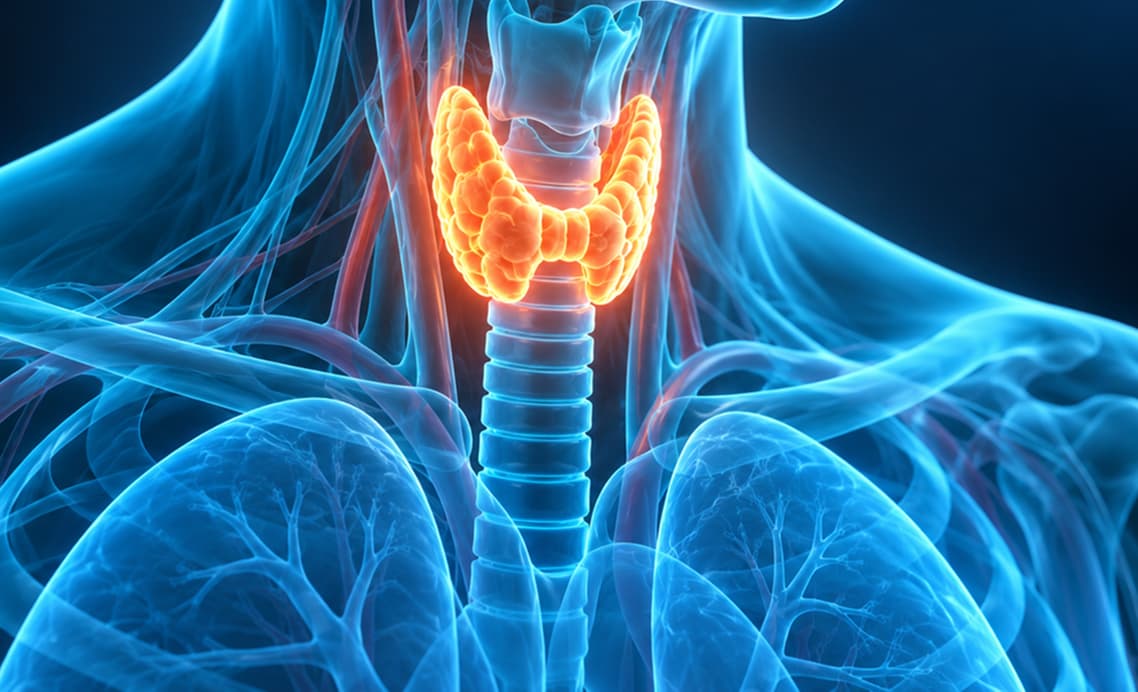
Reduced sexual desire is not always related only to psychological factors. In many cases, female libido depends on the state of the endocrine system, levels of sex hormones, the function of the hypothalamic–pituitary axis, and the overall energy balance of the body.
Libido therapy focuses on identifying the causes of decreased sexual desire and gently correcting physiological processes that influence sexual health. This approach helps restore the body’s natural responsiveness and improve overall wellbeing through personalized care at a women’s health clinic in Dubai.
Diagnostic Stage of the Program
The process begins with a detailed consultation with a specialist. During the appointment, the doctor discusses changes in wellbeing, energy levels, sleep patterns, emotional state, and other factors that may influence female libido.
The next stage involves diagnostics to determine which physiological processes may affect sexual desire. The program may include evaluation of hormonal profile and metabolic indicators.
This diagnostic stage helps identify potential causes of decreased libido and allows the doctor to create a personalized therapy strategy.