Clinic «REFRESH»
Book a consultation
Book
area-icon
Dubai
English
menu_item_arrow
10:00 – 21:00 Sunday is a day off
Peptides for Metabolic Gastroenterology Peptides for Metabolic Gastroenterology

Peptides for Metabolic Gastroenterology

An integrative approach to supporting the gastrointestinal tract and metabolic processes. Peptides for digestive health are used to support mucosal restoration, reduce inflammation, and help normalize metabolic functions. Peptide therapy for the gastrointestinal system is increasingly used in metabolic gastroenterology programs in Dubai as part of preventive and regenerative medicine.
Get consultation
Get consultation
Procedure Description

Cellular Mechanisms of Digestive System Health

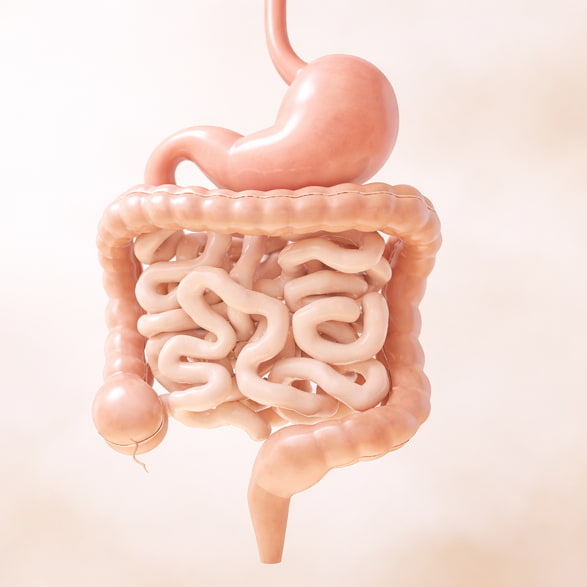
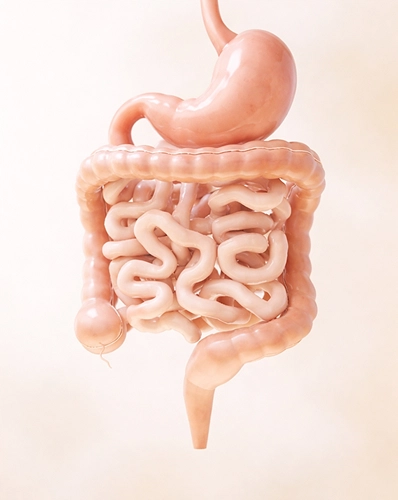
The condition of the gastrointestinal tract directly influences metabolism, immune balance, and levels of chronic inflammation. The intestinal mucosa functions as a complex barrier responsible for nutrient absorption and interaction with gut microbiota.

When gastrointestinal function is impaired, inflammatory processes may develop, tissue regeneration may slow, and metabolic reactions can become disrupted. For this reason, integrative gastroenterology increasingly focuses on methods that support tissue recovery and cellular communication.

One such approach involves the use of bioregulatory compounds. Peptides are short amino acid chains that participate in intercellular signaling and may regulate tissue repair and regeneration processes.

How the Peptide Support Program Is Developed

Before therapy is prescribed, a consultation with a specialist is performed. The doctor evaluates gastrointestinal health, digestive characteristics, laboratory results, and possible metabolic disturbances.

Based on this information, an individualized program may be created that includes peptides for gastrointestinal support. This approach is used in metabolic gastroenterology and aims to support the restoration of the stomach and intestinal mucosa, reduce inflammation, and improve metabolic processes.

One of the bioregulators used in such programs is Epitalon. This peptide is applied in preventive medicine programs due to its potential role in regulating cellular aging processes and providing antioxidant support. It may help support metabolic activity and tissue regeneration.

Peptides for Gastrointestinal Mucosal Recovery

Another important direction of therapy focuses on restoring the mucosal lining of the gastrointestinal tract. The mucosa plays a key role in protecting tissues and maintaining healthy digestion.

One of the most well-known gastroprotective compounds is BPC-157 (Body Protection Compound). This peptide is known for its potential ability to support recovery of the stomach and intestinal mucosa. It may contribute to reducing inflammation, improving microcirculation, and promoting tissue regeneration.

BPC-157 is sometimes included in gastrointestinal support programs for conditions such as gastritis, peptic ulcer disease, irritable bowel syndrome, and states associated with increased intestinal permeability.

Another bioregulator used in recovery programs is Thymosin Beta-4 (TB-500). This peptide has regenerative properties and may support tissue repair and help reduce inflammatory responses.

Supporting Regeneration and Metabolic Processes

Comprehensive peptide therapy aims to support restoration of the gastrointestinal mucosal structure, normalize immune responses, and improve metabolic processes.

Peptides used in digestive health programs may help improve microcirculation in gastrointestinal tissues, reduce inflammatory reactions, and support tissue regeneration. Such approaches are used within metabolic gastroenterology and preventive medicine programs in Dubai.

This type of therapy aims to support gastrointestinal health and create conditions for balanced metabolic functioning.

Result
Support of gastrointestinal mucosal recovery
Reduction of inflammatory processes
Improved microcirculation in digestive tissues
Stimulation of mucosal regeneration
Support of metabolic processes
Improvement of digestive system function
Indications
plus-icon
Gastrointestinal dysfunction
plus-icon
Gastritis
plus-icon
Peptic ulcer disease
plus-icon
Irritable bowel syndrome
plus-icon
Increased intestinal permeability
plus-icon
Metabolic disorders
Contraindications
minus-icon
Individual intolerance to therapy components
minus-icon
Acute inflammatory diseases
minus-icon
Severe chronic diseases in the stage of decompensation
minus-icon
Pregnancy and breastfeeding