PRP Hair Therapy PRP Hair Therapy

PRP Hair Therapy

Restore hair density and fullness, reduce hair loss, and support a healthy growth cycle. PRP therapy activates the body’s natural regenerative processes, supports hair follicle function, and helps create optimal conditions for healthy hair growth.
Get consultation
Get consultation
Procedure Description

Natural Support for Hair Growth

PRP hair therapy, also known as platelet-rich plasma therapy, is an injectable treatment that uses platelet-rich plasma obtained from the patient’s own blood. After injection, platelets release growth factors and other biologically active molecules that support tissue repair and regeneration.

In trichology, PRP therapy is used to support hair follicles, reduce hair loss, and gradually restore density. The procedure may be recommended for androgenetic alopecia and other forms of hair thinning after medical assessment and identification of the underlying cause.

How PRP Hair Therapy Is Performed

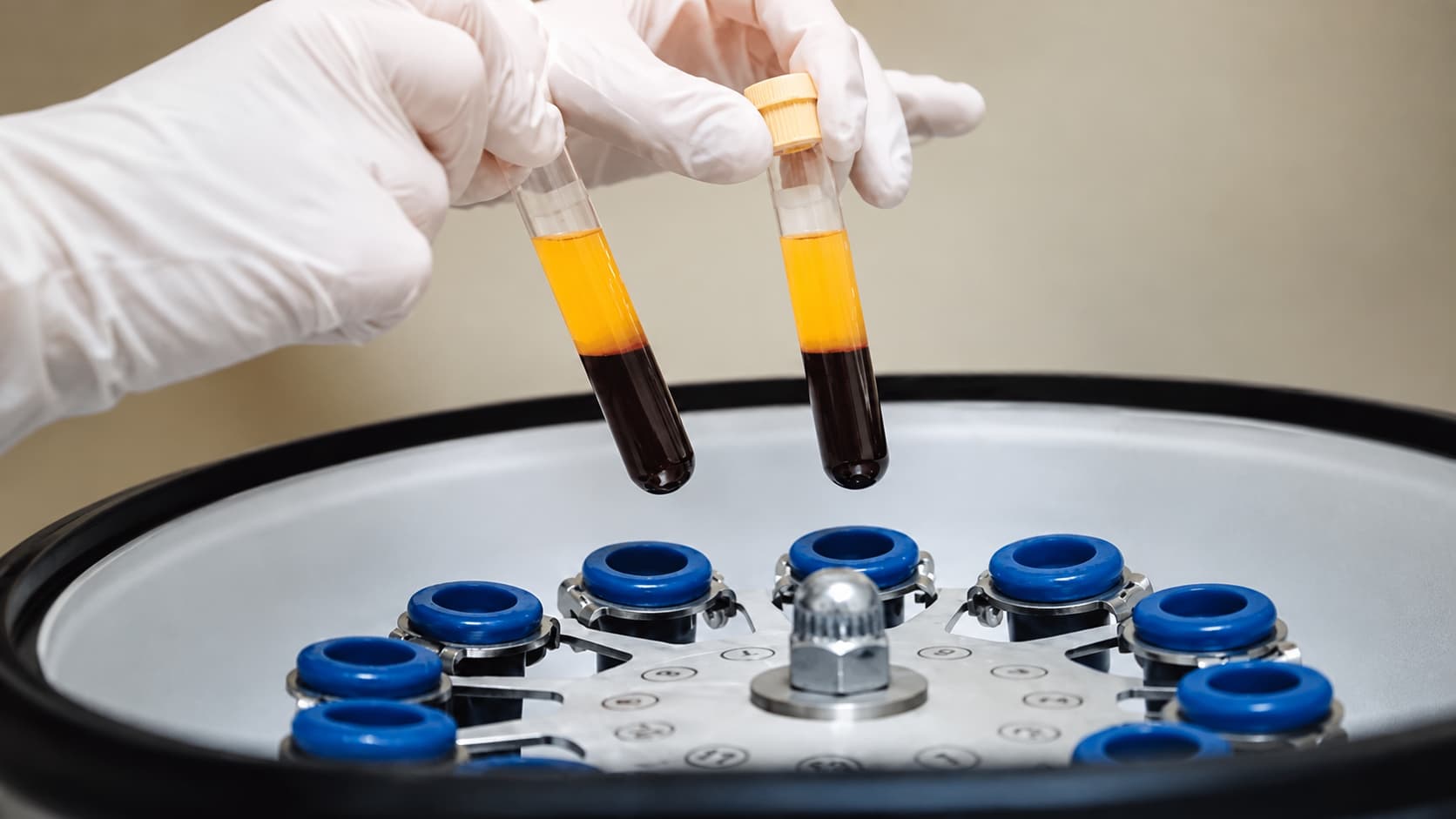
The procedure begins with a small sample of venous blood. The blood is then placed in a centrifuge, where platelet-rich plasma is separated from the other components.

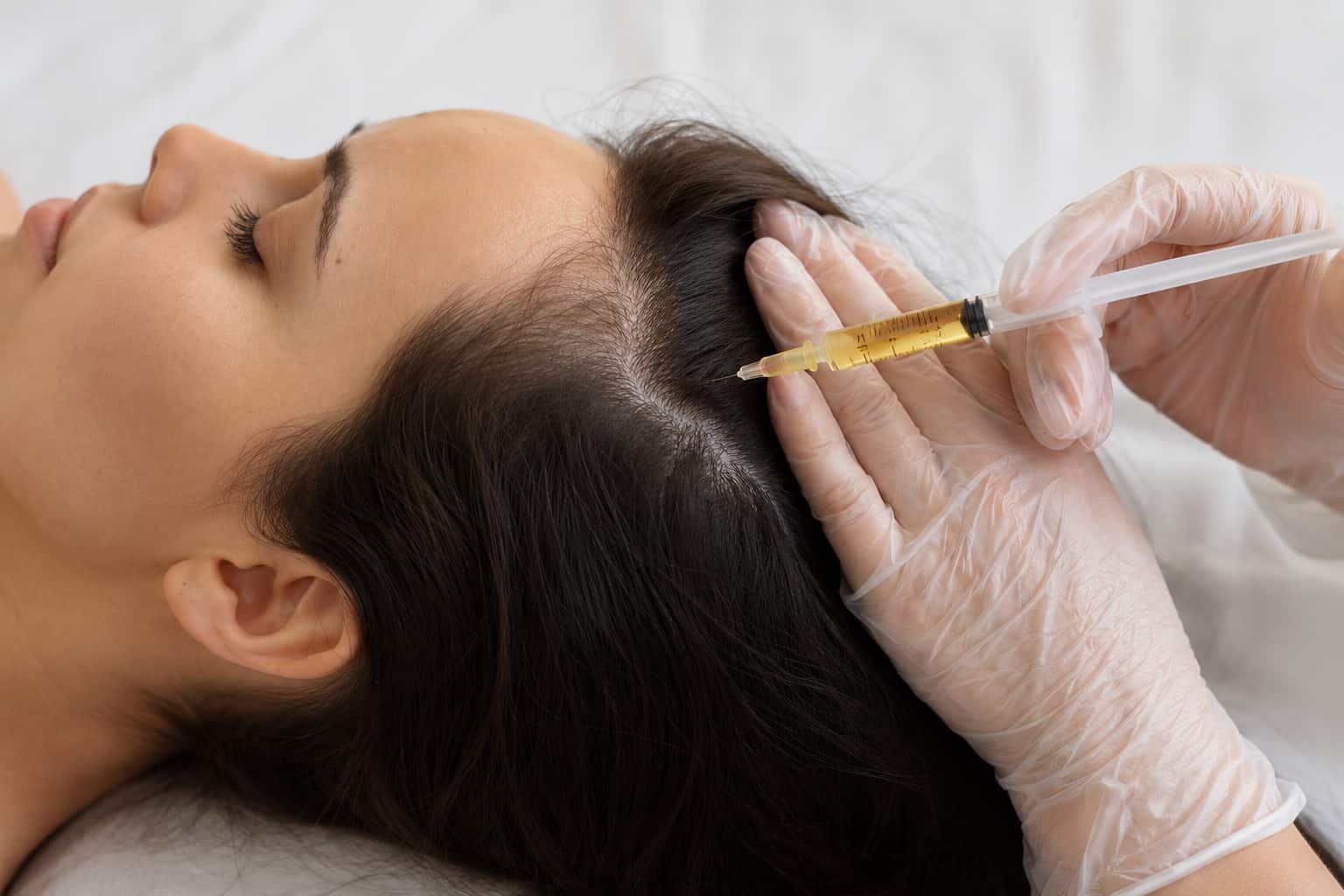
The prepared plasma is injected directly into the scalp using fine needles, with particular attention to areas of reduced density. Once injected, the platelets release growth factors involved in cellular signaling, tissue repair, and processes associated with hair follicle function.

The procedure usually takes approximately 30–60 minutes. Temporary sensitivity, redness, or mild swelling of the scalp may occur after the injections and typically resolves on its own.

PRP Hair Therapy
PRP Hair Therapy

Reduced Hair Loss

PRP therapy supports hair follicle activity, helps reduce shedding, and maintain hair density.

Restored Hair Density

A course of treatments is designed to increase hair density in areas of thinning. Changes develop gradually in line with the natural hair growth cycle, so results are assessed over time, usually within several months.

Hair Follicle Support

Growth factors released by platelets are involved in biological processes associated with follicle function and tissue repair. PRP helps create a more favorable environment for maintaining existing hair and supporting healthy growth.

Comprehensive Therapy for Alopecia

Hair loss can have different underlying causes, which is why PRP therapy is prescribed following a medical consultation. For androgenetic alopecia, nutritional deficiencies, and other forms of hair thinning, the procedure may be combined with medical, injectable, or other therapies when clinically indicated.

Support for the Natural Hair Growth Cycle

PRP therapy may be performed as a course of treatments to support hair follicle activity and improve scalp condition. The number of sessions and intervals between them are determined by the physician based on the underlying cause of hair loss and the individual characteristics of the patient.

Get consultation
Result
Increased Hair Density
After a course of PRP therapy, the number of hairs per unit area increases, making areas of thinning less noticeable.
Reduced Hair Loss
A gradual reduction in shedding when the underlying cause has been correctly identified and an individualized treatment plan has been selected.
Restored Density in Areas of Thinning
The parting, crown, and other areas affected by thinning can gradually appear fuller and denser.
Support for Active Hair Growth
Therapy helps create favorable conditions for hair follicle function and supports a healthy growth cycle.
Fuller-Looking Hair
As density increases, hair appears visibly fuller and more voluminous.
Progressive Results
Results develop gradually in line with the natural hair growth cycle and become more noticeable over several months. The doctor determines the number of procedures and intervals between sessions individually, based on the diagnosis and initial hair condition.
Indications
arrow
plus-icon
Increased hair loss
plus-icon
Reduced density and pronounced thinning
plus-icon
Androgenetic alopecia as part of comprehensive therapy
plus-icon
Diffuse hair loss after identifying its underlying cause
plus-icon
Reduced hair density in specific areas
plus-icon
Need for additional support of hair growth
plus-icon
Recovery after hair transplantation when recommended by a doctor
Contraindications
arrow
minus-icon
Pregnancy and breastfeeding
minus-icon
Acute infectious diseases
minus-icon
Inflammatory or infectious scalp conditions
minus-icon
Blood clotting disorders
minus-icon
Platelet disorders and other significant blood conditions
minus-icon
Use of medications affecting blood clotting that requires prior medical consultation
minus-icon
Cancer
minus-icon
Severe or uncontrolled chronic diseases
Plasma Therapy PRP Hair
600 AED
Book
Book