















Refresh Light

Program composition Refresh Light
Controlled weight loss through neuroendocrine regulation
Modern weight management is based on targeting hormonal pathways that regulate appetite and metabolic function. Incretins, insulin, and satiety signaling play a...
Controlled weight loss through neuroendocrine regulation
Modern weight management is based on targeting hormonal pathways that regulate appetite and metabolic function. Incretins, insulin, and satiety signaling play a central role in shaping eating behavior and fat accumulation.
In cases of excess weight, these mechanisms become dysregulated: appetite increases, sensitivity to fullness decreases, and lipolysis slows down. The program is designed to restore these pathways, enabling appetite control, glucose stability, and efficient fat burning.
4 visits · 28 days
The program follows a structured medical progression, where each stage builds on the previous one — from diagnostics and metabolic activation to stabilization and long-term result retention.
Visit 1
Diagnostics and metabolic activation
The initial consultation establishes the foundation of the entire program. This is not a routine appointment, but a comprehensive evaluation of metabolic health, including lifestyle, stress load, nutritional status, and key biochemical markers.
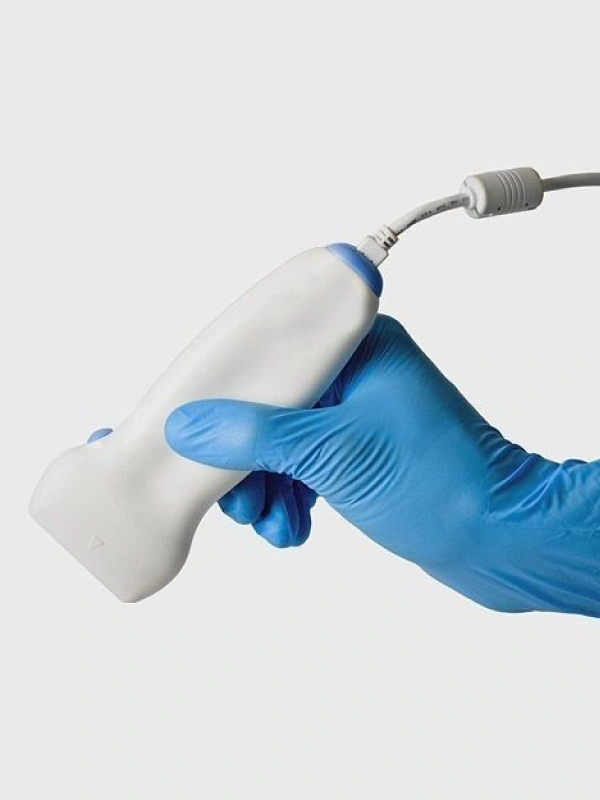
An advanced body composition analysis is performed to assess fat-to-muscle ratio and provide insight into metabolic activity. Based on these findings, a personalized protocol is developed, integrating medical, nutritional, and behavioral strategies.
metabolic injection therapy is initiated, activating GLP-1 and GIP receptors to regulate appetite and glycemic control. In parallel, a Super Slim Light IV infusion is administered — a Refresh premix with a gentle lymphatic drainage and detox effect, designed to reduce inflammatory load and prepare metabolic pathways for active fat loss.
Individualized recommendations for nutrition and physical activity are established according to the patient’s current physiological state.
Visit 2
Adaptation and metabolic enhancement
At this stage, the body’s response to therapy is evaluated, with dose adjustment of metabolic injection when required to achieve optimal efficacy.
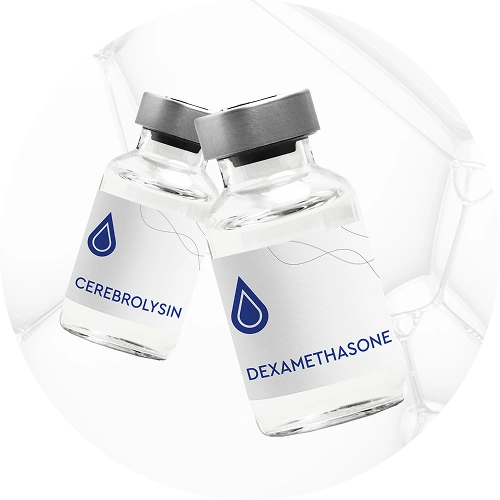
Peptide-based protocols are introduced to support appetite regulation and enhance lipid metabolism. Their mechanism involves modulation of signaling pathways responsible for fat utilization and glucose stability.
Additional IV micronutrient support may be implemented to minimize adaptive responses and maintain metabolic stability under reduced caloric intake.
Visit 3
Body composition control and metabolic protection
By this phase, a stable weight reduction dynamic is established, requiring precise adjustments to preserve lean mass and support liver function.
Body composition changes and overall well-being are reassessed. Metabolic and hepatoprotective peptide protocols are introduced to optimize biochemical processes and protect tissues during active lipolysis.
Nutritional strategy is refined based on the updated body composition, while physical activity recommendations are adjusted to enhance fat loss without excessive physiological stress.
Visit 4
Stabilization and long-term regulation
The final stage is focused on transitioning the body into a sustainable weight control state. A comprehensive evaluation of results is performed, followed by the development of a maintenance strategy.
A metabolic booster protocol is introduced, utilizing peptide complexes that support mitochondrial function and stress adaptation, helping to stabilize energy balance and prevent plateau.
A long-term follow-up plan is established, with both online and in-clinic options, and the possibility of extending the program if clinically indicated.
GLP-1 and GIP modulation: appetite and metabolic control
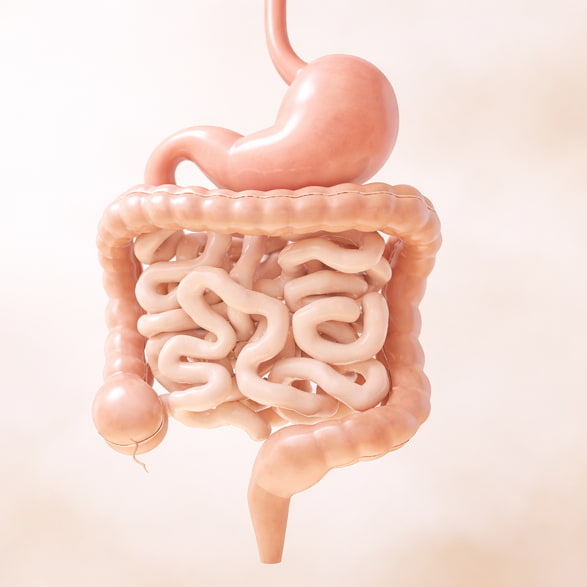
The protocol is based on the use dual GLP-1 and GIP receptor agonist. This represents one of the most advanced approaches to correcting metabolic dysfunction, combining effects on appetite, glucose metabolism, and overall energy balance.
GLP-1 receptor activation slows gastric emptying, enhances satiety signaling, and reduces caloric intake. GIP receptor modulation further improves insulin sensitivity and influences lipid metabolism.
The combined effect of these mechanisms enables a physiologically aligned reduction in caloric intake without significant stress to the body, establishing stable and sustainable control over eating behavior.
Clinical Program Architecture





























Key Advantages
of Refresh Clinic



FAQ
Related services