










Refresh — Woman’s Basic Plus




High-risk human papillomavirus (HPV) is the leading cause of cervical cancer. The infection usually has no symptoms, and in many women the body clears it naturally. When the virus persists, however, the risk of cervical cell changes goes up.
Testing cytology and HPV together tells you more than either test alone. Cytology shows how the cells look right now; the HPV test shows whether there is a virus that could cause changes later on.
Many STIs are silent, too. Left untreated, they can lead to chronic pelvic inflammation and affect fertility — which is why screening is worthwhile even when nothing feels wrong.
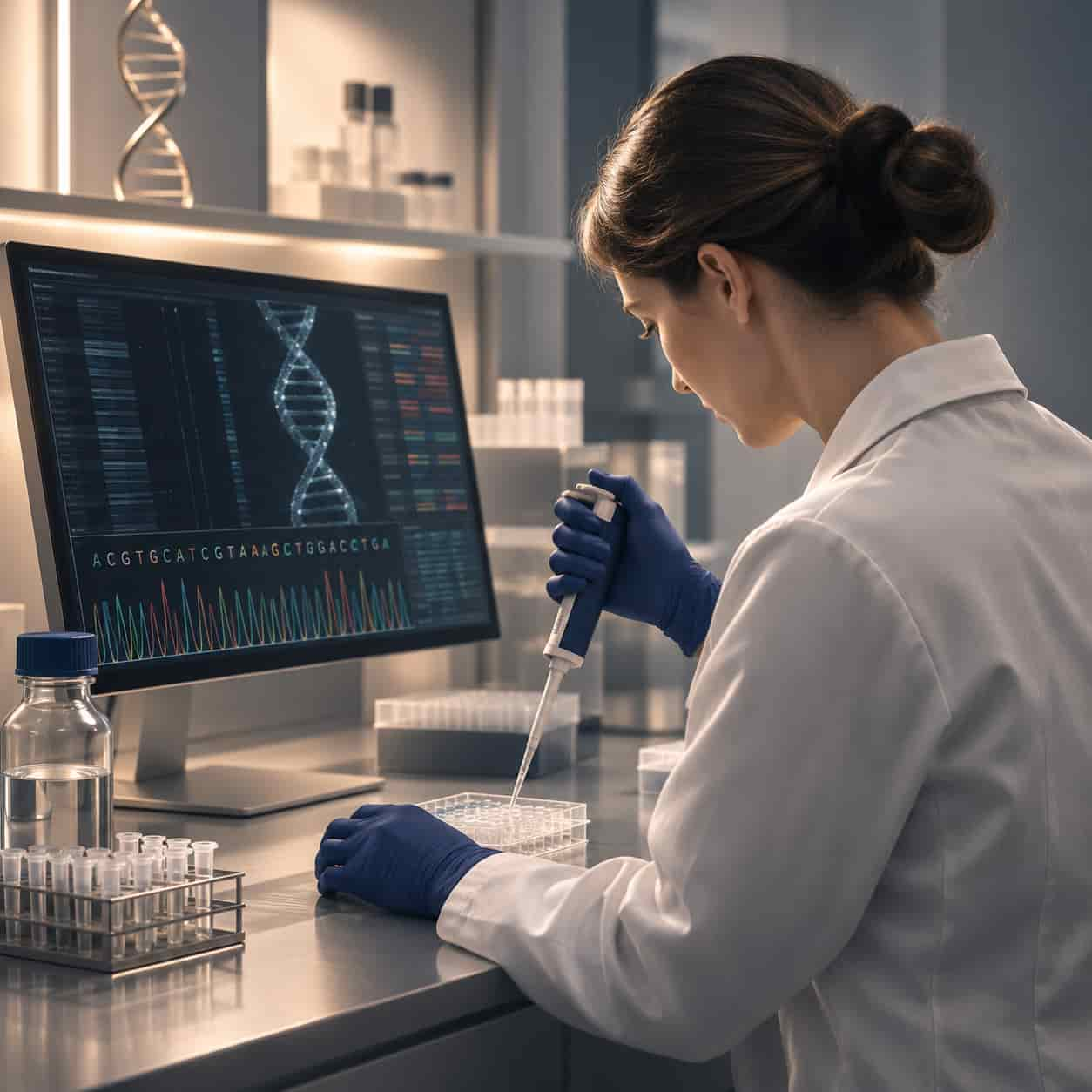
The check-up starts with an examination and a look at your vaginal flora. Cytology with HPV testing assesses cervical health risks, while PCR testing detects the DNA of infection-causing organisms with high accuracy.
You can choose how broad your STI screening is — 7, 14 or 28 pathogens. Your doctor will help you pick the right panel based on your symptoms, history and goals.


The package includes a gynecology consultation, a flora swab, a combined PAP + HPV test, PCR screening for STIs and a follow-up visit to review your results. All samples are taken during one visit.
You choose the STI panel together with your doctor; the final price depends on the panel selected.