Clinic «REFRESH»
Book a consultation
Book
area-icon
Dubai
English
menu_item_arrow
10:00 – 21:00 Sunday is a day off
Stress and Gut Therapy Stress and Gut Therapy

Stress and Gut Therapy

A comprehensive program designed to support digestive health and nervous system regulation. This approach focuses on restoring the connection between the brain and the gut, reducing the impact of stress on the gastrointestinal tract, and normalizing digestion. Stress and gut health programs in Dubai are often used in modern gastroenterology to support the gut–brain axis and improve digestive function.

Get consultation
Get consultation
Procedure Description

The Gut–Brain Axis and Digestive Health

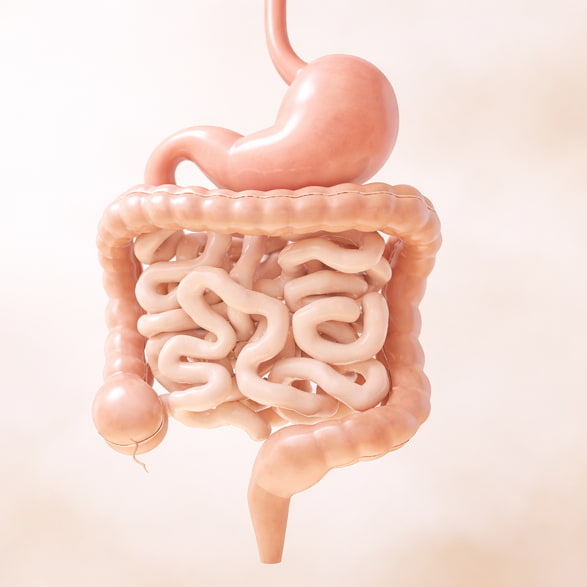
The digestive system is closely connected with the nervous system. In medicine, this relationship is known as the Gut–Brain Axis, a complex network through which the brain and the intestines constantly exchange signals through neural, hormonal, and immune pathways.

When the nervous system experiences chronic stress, it can significantly affect the gastrointestinal tract. Stress and gut function are closely interconnected. Emotional overload may alter intestinal motility, increase inflammatory processes, and affect the balance of the gut microbiota.

For this reason, modern gastroenterology increasingly focuses on restoring neurovegetative balance. Supporting the gut–brain axis can improve digestion and help maintain stable intestinal function.

How the Gut–Brain Axis Support Program Is Developed

The process begins with a specialist consultation. The doctor analyzes the patient’s symptoms, digestive patterns, stress levels, and the overall condition of the nervous system.

The program may include methods aimed at supporting neural regulation and improving intestinal function. These may involve lifestyle recommendations, dietary adjustments, and in some cases the use of bioregulatory compounds.

In gastroenterology practice, neuropeptides may be used to support the body’s stress response mechanisms. Peptides used in digestive health programs can help normalize neural signals that regulate intestinal motility and sensitivity.

Neuropeptides and Regulation of Digestion

Certain bioregulators can influence nervous system mechanisms involved in gastrointestinal function. These compounds may support the balance between the central nervous system and the gut.

One of the compounds used in such programs is Selank, a neuropeptide that may help reduce anxiety, stabilize the autonomic nervous system, and support normal intestinal function during stress-related digestive disorders.

Another bioregulator sometimes used is Semax, a neuropeptide that participates in the regulation of neurometabolic processes. Semax may help reduce stress load and support regulation of the gut–brain axis.

Some digestive health programs may also include additional peptides aimed at supporting intestinal function and reducing inflammatory responses.

A Comprehensive Approach to Intestinal Health

Modern gastroenterology approaches intestinal treatment from a comprehensive perspective, addressing both symptoms and the balance between the nervous system and the digestive tract.

Restoring the function of the gut–brain axis can help reduce the influence of stress on the body. As a result, intestinal motility may improve, inflammatory activity may decrease, and digestive function may become more stable.

This approach is particularly important for functional digestive disorders and irritable bowel syndrome.

Result
Reduced impact of stress on intestinal function
Normalization of intestinal motility
Improved digestive system performance
Stabilization of the autonomic nervous system
Reduction of anxiety and stress load
Support of healthy gut microbiota balance
Indications
plus-icon

Irritable bowel syndrome

plus-icon

Functional digestive disorders

plus-icon

Increased intestinal sensitivity

plus-icon

Stress-related digestive disturbances

plus-icon

Chronic nervous tension

plus-icon

Comprehensive intestinal health programs

Contraindications
minus-icon

Individual intolerance to therapy components

minus-icon

Acute inflammatory diseases

minus-icon
Severe chronic diseases in the stage of decompensation
minus-icon
Pregnancy and breastfeeding