Why Hair Loses Density
Hair loss can be associated with genetic predisposition, hormonal changes, nutritional deficiencies, stress, previous illnesses, and scalp conditions. For this reason, treatment is selected individually after assessing the underlying causes and pattern of hair loss.
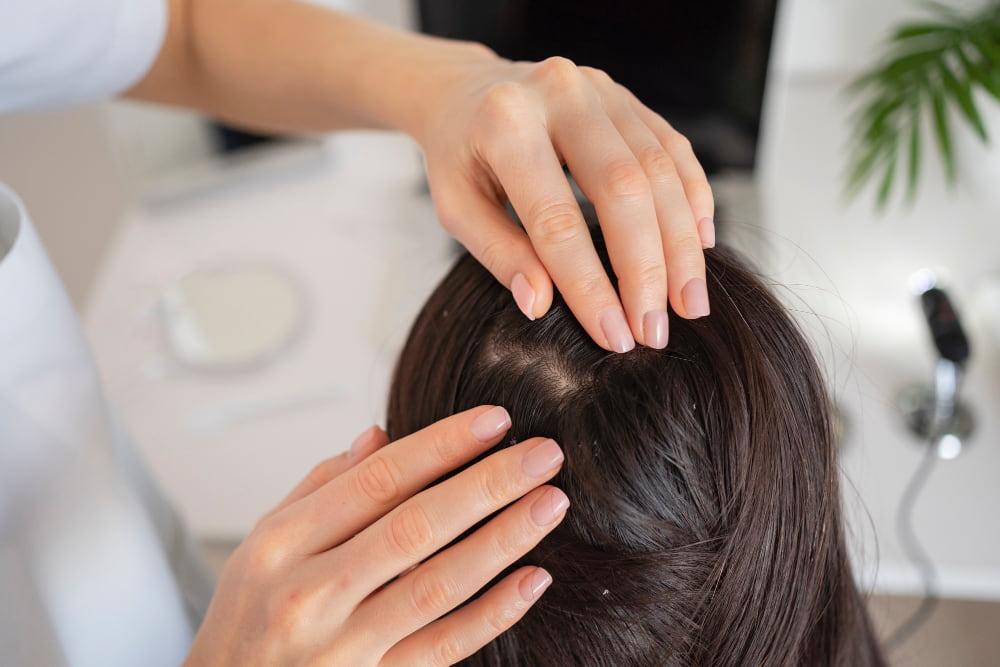
During the consultation, the doctor evaluates the type and severity of hair loss, hair density and quality, and the condition of the scalp. Laboratory tests may be recommended when necessary to identify factors that could be affecting hair growth.
Based on the assessment, the doctor develops a personalized treatment plan. It may include injectable therapies, correction of identified deficiencies or underlying factors, and other treatments when clinically indicated.
How Therapy Works on Hair Follicles
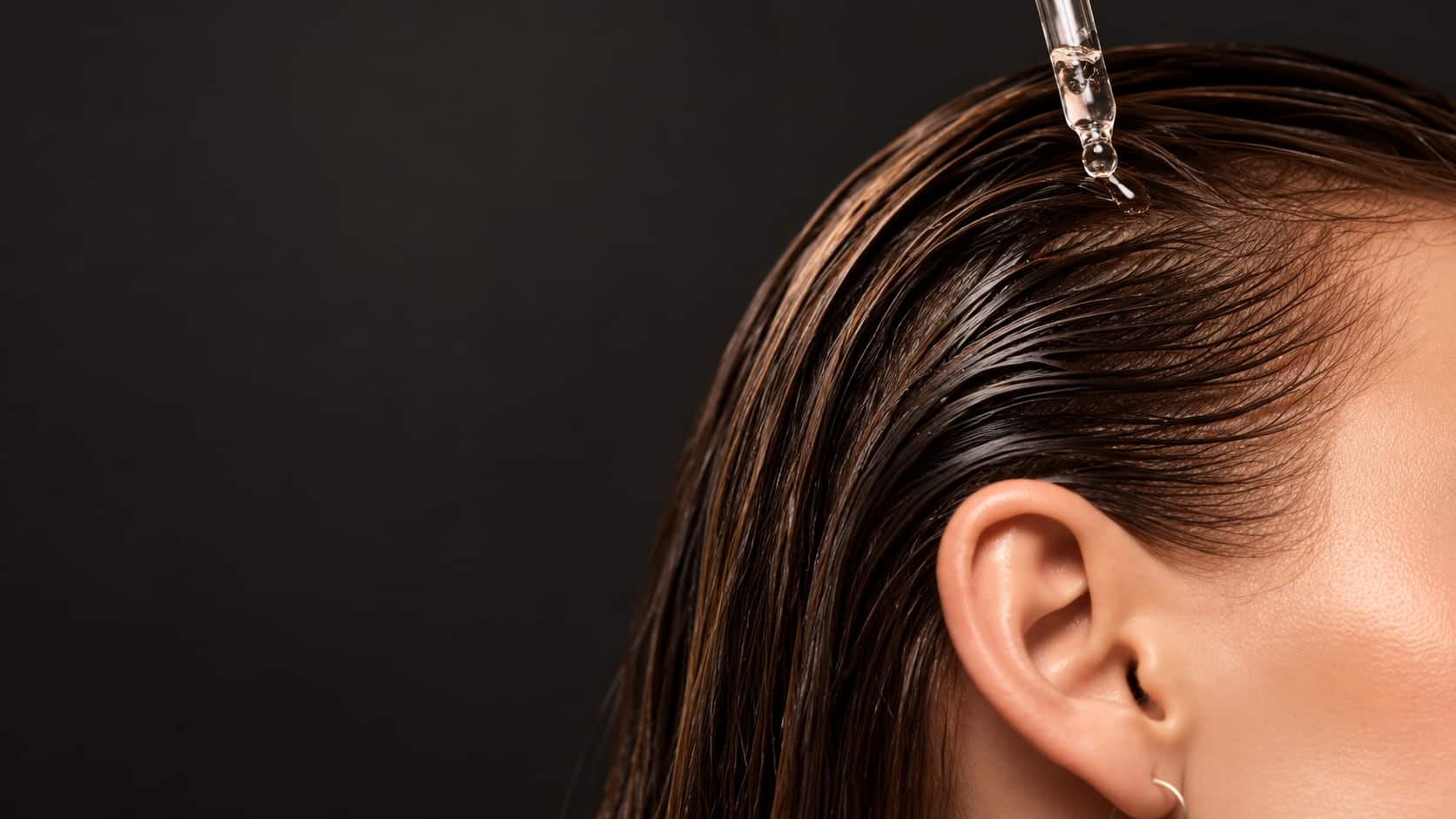
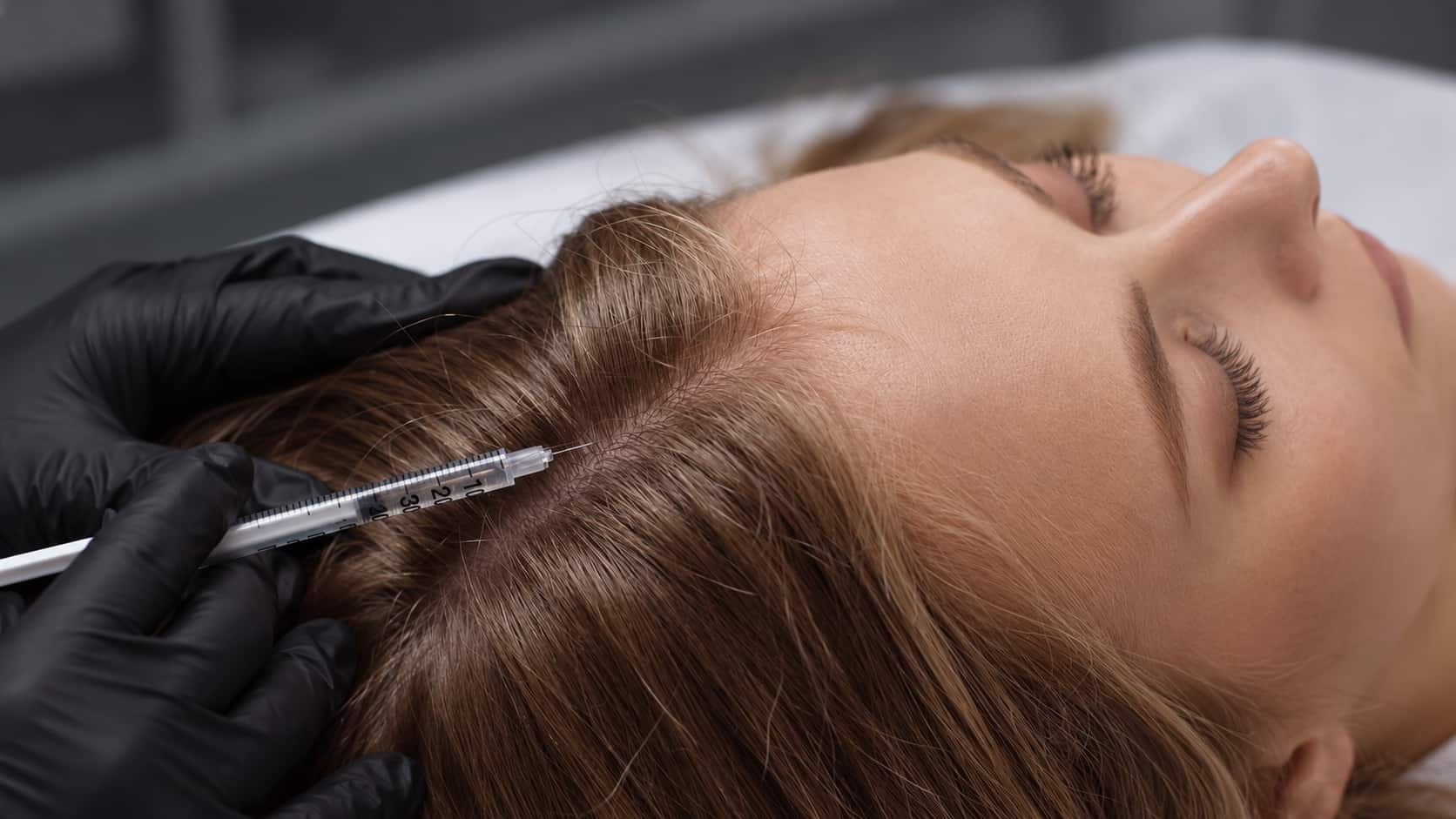
The selected product is injected in small amounts directly into the scalp. This technique delivers active components locally to the tissues surrounding the hair follicles.
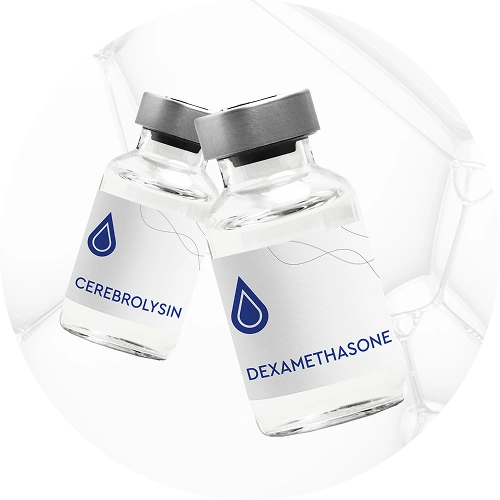
Depending on the protocol, treatment may involve peptides, polynucleotides, or exosome-based components. Their composition, mechanisms of action, and level of clinical evidence differ. Therapy may be used to reduce hair loss, improve hair density and thickness, and support growth.
Changes develop gradually. Hair follows a natural growth cycle, so results are assessed over time, usually after a course of treatment.