Ultrasound of the Hepatobiliary System Ultrasound of the Hepatobiliary System

Ultrasound of the Hepatobiliary System

A safe and informative diagnostic method for assessing the liver, gallbladder, and bile ducts. The examination helps evaluate the condition of the organs, identify structural changes, signs of impaired bile flow, and other abnormalities that may affect digestion and overall well-being.
Get consultation
Get consultation
Procedure Description

Assessment of the Liver and Biliary System

The hepatobiliary system includes the organs involved in the production, storage, and transport of bile. Their condition is directly related to digestive and metabolic processes.

During the ultrasound examination, the doctor assesses the size, position, and structure of the liver, as well as the condition of the gallbladder and bile ducts. The examination can reveal changes that may remain asymptomatic for a long time and help determine possible causes of pain or heaviness in the right upper abdomen, digestive disturbances, and abnormal laboratory findings.

Ultrasound does not involve ionizing radiation and, when indicated, can be repeated to monitor the condition of the organs over time.

Examination Protocol

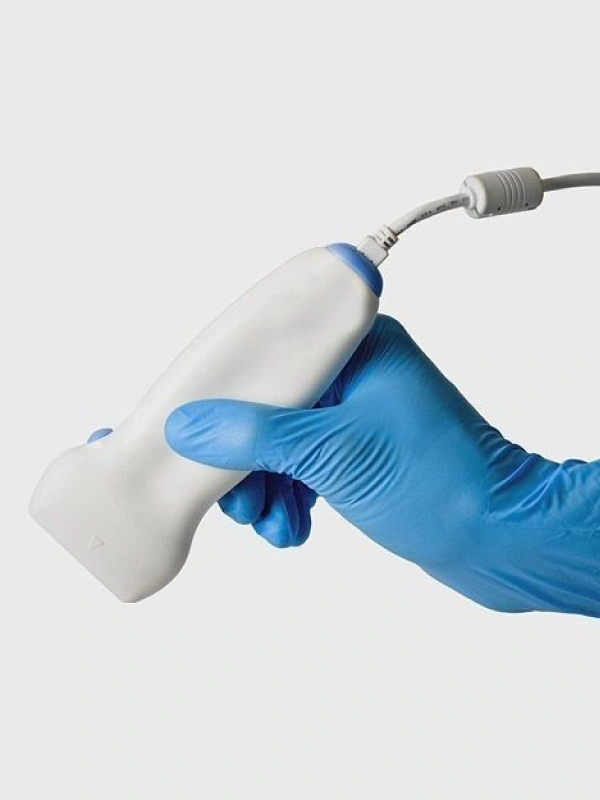
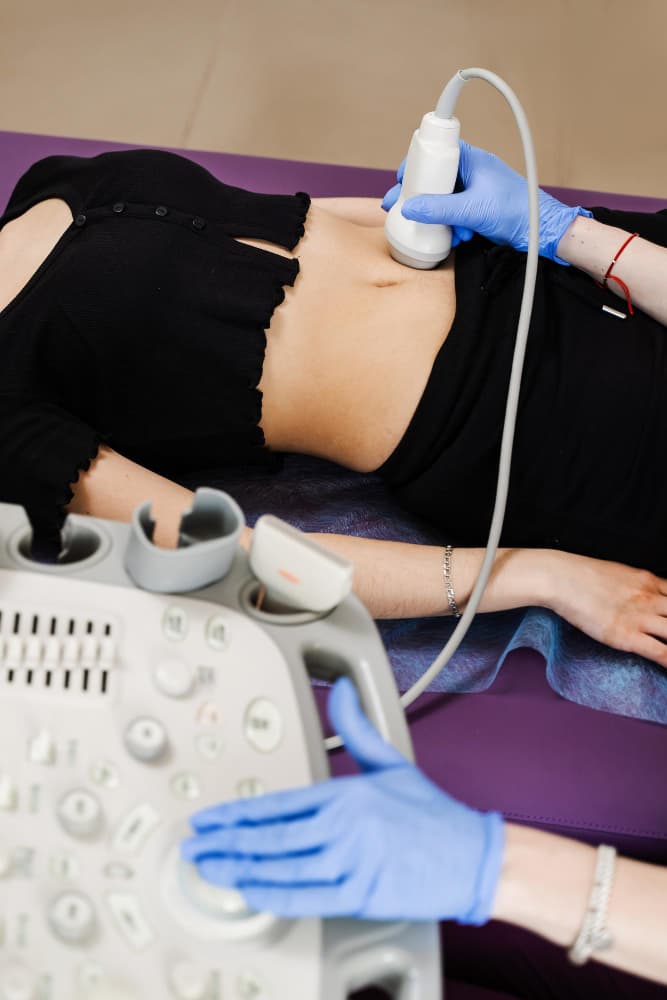
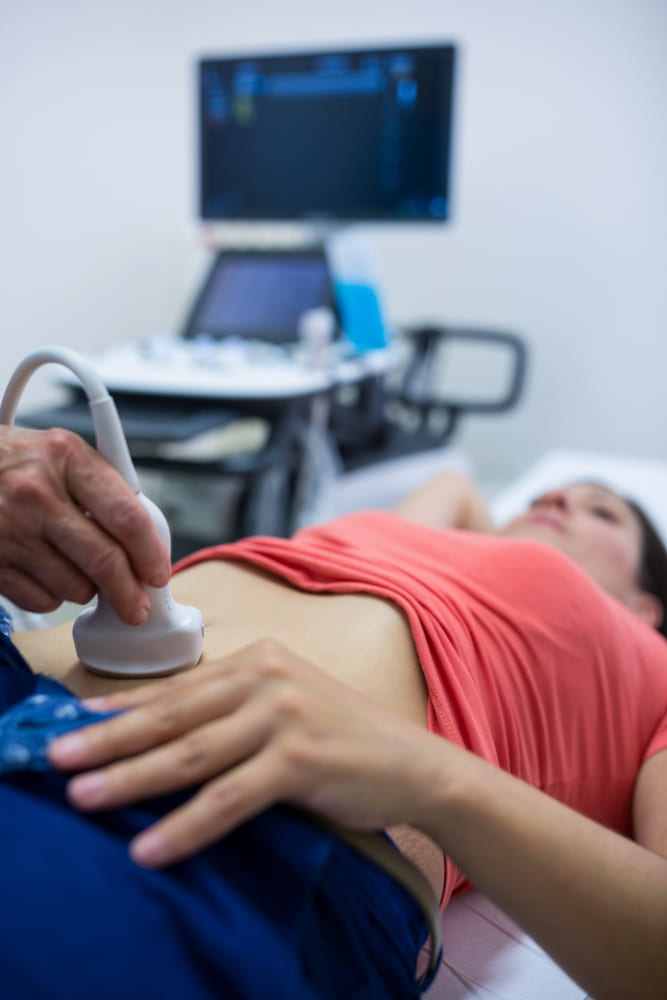
The ultrasound is performed with the patient lying down. The doctor applies a special gel to the abdomen and examines the organs using an ultrasound probe. To improve visualization of certain structures, the patient may be asked to change position or briefly hold their breath. During the examination, the doctor assesses the size and echotexture of the liver, its contours, the condition of the intrahepatic and extrahepatic bile ducts, the shape and walls of the gallbladder, and its contents. If necessary, particular attention is given to signs of gallstones, biliary sludge, dilation of the bile ducts, structural changes in the liver, and other abnormalities.

After the examination, the patient receives a report describing the ultrasound findings. The final diagnosis is made by the treating physician based on the patient’s symptoms, medical history, laboratory findings, and other diagnostic methods.

Ultrasound of the Hepatobiliary System

What Is Assessed During a Hepatobiliary Ultrasound

Liver

The doctor evaluates the size, contours, echogenicity, and uniformity of the liver structure, as well as the presence of focal or diffuse changes.

Gallbladder

The shape and size of the gallbladder, the condition of its walls and contents, and the presence of gallstones, sludge, or other changes are assessed.

Bile Ducts

The examination allows the doctor to assess the condition and diameter of the visualized bile ducts and identify signs of impaired bile flow.

What Can the Ultrasound Show

Ultrasound provides information about the structure of the hepatobiliary organs and can reveal signs of various pathological processes. The examination may identify signs of fatty changes in the liver, liver enlargement, cysts and other focal lesions, gallstones and biliary sludge in the gallbladder, changes in its walls, and dilation of the bile ducts. The results are interpreted together with the clinical picture and laboratory findings. If abnormalities are detected, the doctor may recommend additional diagnostic tests.
Result
Assessment of the Liver
The examination allows the doctor to determine the size and structural characteristics of the liver and identify diffuse or focal changes.
Assessment of the Gallbladder
The doctor obtains information about the shape, size, walls, and contents of the gallbladder.
Detection of Gallstones and Biliary Sludge
Ultrasound can detect gallstones and sludge within the gallbladder and assess associated changes.
Assessment of the Bile Ducts
The examination can reveal dilation of the visualized bile ducts and other signs of possible impaired bile flow.
Monitoring Over Time
Ultrasound can be repeated to monitor previously identified changes and assess the condition of the organs during treatment.
Indications
arrow
plus-icon
Pain or heaviness in the right upper abdomen
plus-icon
Discomfort after eating
plus-icon
Nausea and digestive disturbances
plus-icon
Bitter taste in the mouth
plus-icon
Abnormal liver function test results
plus-icon
Suspected gallstone disease
plus-icon
Suspected bile stasis
plus-icon
Previously diagnosed liver or gallbladder conditions
plus-icon
Monitoring during treatment
plus-icon
Preventive assessment of the hepatobiliary system
Contraindications
arrow
minus-icon
The examination is a safe and non-invasive diagnostic method and has no absolute contraindications. The only limitations may be skin damage in the examination area or conditions requiring emergency medical care.
Ultrasound Hepatobiliary system
750 AED
Book
Book