











Women Check-Up
Comprehensive Gynecological Check-Up
Get consultation





A comprehensive women’s check-up that includes laboratory diagnostics and a doctor’s consultation. It helps assess hormonal balance, metabolism, and the condition of the reproductive system. It can be used as a preventive gynecological check-up.
An advanced women’s check-up combining laboratory tests, gynecological screening, and a doctor’s consultation. This approach provides a comprehensive assessment of overall health, helps identify potential abnormalities at an early stage, and determines individual risk factors.
The program includes essential gynecological tests for women, a hormonal profile, metabolic markers, and assessments of liver, kidney, and thyroid function. Gynecological screening is also performed, including a vaginal flora smear, human papillomavirus (HPV) testing, and oncocytology.
A comprehensive range of gynecological tests can help identify hormonal imbalances, inflammatory processes, vitamin and micronutrient deficiencies, as well as changes that may affect reproductive health. Based on the results, the doctor provides recommendations and develops a personalized prevention plan.
A complete blood count is a basic laboratory test that evaluates the blood-forming system and immune system and helps identify signs of inflammation or anemia. The test is included in standard gynecological blood tests for women, as it can help detect underlying inflammatory processes, iron deficiency, and provide an overall assessment of the body before a gynecological examination. The complete blood count includes the following parameters: red blood cells, hemoglobin, hematocrit, white blood cells, white blood cell differential (neutrophils, lymphocytes, monocytes, eosinophils, basophils), platelets, and ESR.
Reference range for women: Red blood cells: 3.8–4.8 ×10¹²/L; Hemoglobin: 120–150 g/L; White blood cells: 4.0–9.0 ×10⁹/L; Platelets: 150–400 ×10⁹/L; ESR: 2–15 mm/h
Causes of elevated values: inflammatory processes, infections, dehydration, blood disorders.
Causes of low values: anemia, iron and vitamin deficiencies, chronic diseases, disorders of blood formation.
Glucose is the main source of energy for the body’s cells. This parameter reflects carbohydrate metabolism and pancreatic function. The test is used for the early detection of metabolic disorders, including prediabetes and diabetes.
Reference range for women: 3.9–5.5 mmol/L
Causes of elevated values: diabetes, insulin resistance, pancreatic disorders, stress.
Causes of low values: hypoglycemia, prolonged fasting, endocrine disorders.
Glycated hemoglobin reflects the average blood glucose level over the previous 2–3 months. This parameter is used to assess and monitor carbohydrate metabolism and helps evaluate the risk of developing diabetes.
Reference range for women: below 5.7%
Causes of elevated values: diabetes, insulin resistance, impaired carbohydrate metabolism.
Causes of low values: anemia, blood disorders, chronic blood loss.
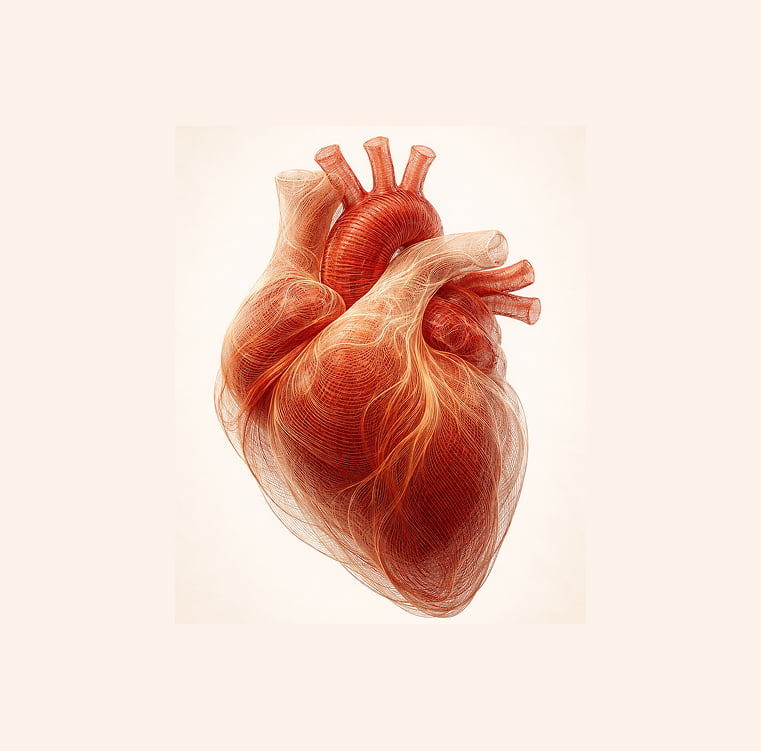
Total cholesterol is an important marker of lipid metabolism. It is involved in the synthesis of hormones, vitamin D, and cell membranes. The test helps assess the risk of cardiovascular disease and metabolic disorders.
Reference range for women: 3.0–5.2 mmol/L
Causes of elevated values: atherosclerosis, obesity, hypothyroidism, familial hypercholesterolemia.
Causes of low values: liver disease, hyperthyroidism, malnutrition.
LDL is often referred to as “bad cholesterol” because elevated levels contribute to the formation of atherosclerotic plaques in blood vessels. This parameter is important for assessing cardiovascular risk.
Reference range for women: below 3.0 mmol/L
Causes of elevated values: atherosclerosis, metabolic syndrome, obesity, unhealthy diet.
Causes of low values: liver disease, hyperthyroidism, insufficient dietary fat intake.
HDL is often referred to as “good cholesterol” because it participates in transporting cholesterol from the blood vessels to the liver for further processing and elimination.
Reference range for women: above 1.2 mmol/L
Causes of elevated values: regular physical activity, a balanced diet.
Causes of low values: obesity, smoking, sedentary lifestyle.
Triglycerides are an important source of energy for the body’s cells. Their level reflects lipid metabolism and is associated with cardiovascular risk.
Reference range for women: below 1.7 mmol/L
Causes of elevated values: obesity, diabetes, metabolic syndrome, excessive alcohol consumption.
Causes of low values: inadequate nutrition, hyperthyroidism.
Creatinine is a byproduct of muscle metabolism. This parameter is used to assess kidney function and estimate glomerular filtration rate.
Reference range for women: 44–97 µmol/L
Causes of elevated values: kidney disease, dehydration, intense physical activity.
Causes of low values: reduced muscle mass, pregnancy.
Uric acid is produced during the breakdown of purines. This parameter reflects metabolic status and kidney function.
Reference range for women: 150–350 µmol/L
Causes of elevated values: gout, metabolic syndrome, kidney disease.
Causes of low values: liver disease, certain endocrine disorders.
Total protein reflects the concentration of all proteins in blood plasma. Proteins are involved in transport, immune, and regulatory processes in the body.
Reference range for women: 64–83 g/L
Causes of elevated values: inflammatory processes, infections, dehydration.
Causes of low values: liver disease, kidney disease, insufficient dietary protein.
Albumin is the main protein in blood plasma. It helps maintain plasma oncotic pressure and participates in the transport of hormones, vitamins, and medications.
Reference range for women: 35–50 g/L
Causes of elevated values: dehydration.
Causes of low values: liver disease, kidney disease, inadequate nutrition.
Bilirubin is produced during the breakdown of hemoglobin. This test is used to assess liver function and the biliary tract.
Reference range for women: 5–21 µmol/L
Causes of elevated values: hepatitis, impaired bile flow, hemolysis.
Causes of low values: generally not clinically significant.
Direct bilirubin is formed in the liver and excreted with bile.
Reference range for women: below 5 µmol/L
Causes of elevated values: liver disease, cholestasis.
Causes of low values: generally not clinically significant.
ALT is a liver enzyme involved in amino acid metabolism. It is used in the assessment of liver disease.
Reference range for women: below 35 U/L
Causes of elevated values: hepatitis, fatty liver disease, toxic liver injury.
Causes of low values: vitamin B6 deficiency.
AST is an enzyme found in the cells of the liver, heart, and muscles.
Reference range for women: below 31 U/L
Causes of elevated values: liver disease, myocardial infarction, muscle injury.
Causes of low values: vitamin B6 deficiency.
An enzyme found primarily in the liver and biliary tract. It is used to assess liver disease and impaired bile flow.
Reference range for women: below 32 U/L
Causes of elevated values: liver disease, cholestasis, alcohol-related liver injury.
Causes of low values: generally not clinically significant.
An enzyme involved in phosphorus and calcium metabolism.
Reference range for women: 35–105 U/L
Causes of elevated values: liver disease, bone disorders, pregnancy.
Causes of low values: zinc deficiency, hypothyroidism.
A marker of inflammation. CRP levels may increase with infections, autoimmune conditions, and inflammatory diseases.
Reference range for women: below 5 mg/L
Causes of elevated values: infections, inflammation, autoimmune diseases.
Causes of low values: generally not clinically significant.
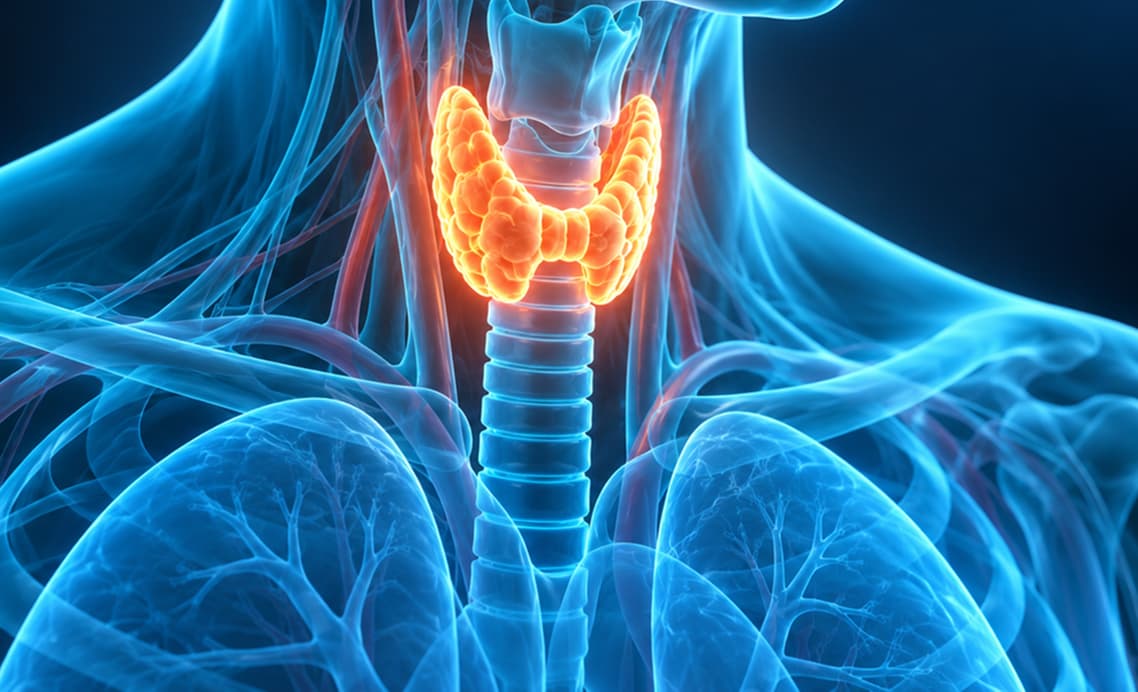
Thyroid-stimulating hormone regulates thyroid gland function.
Reference range for women: 0.4–4.0 mIU/L
Causes of elevated values: hypothyroidism, autoimmune thyroiditis.
Causes of low values: hyperthyroidism.
An active thyroid hormone that regulates metabolism.
Reference range for women: 3.1–6.8 pmol/L
Causes of elevated values: hyperthyroidism.
Causes of low values: hypothyroidism.
A thyroid hormone that influences energy metabolism.
Reference range for women: 12–22 pmol/L
Causes of elevated values: thyrotoxicosis.
Causes of low values: hypothyroidism.
The main form of vitamin D measured in the blood, reflecting the body’s vitamin D stores.
Reference range for women: 30–100 ng/mL
Causes of elevated values: excessive intake of vitamin D supplements.
Causes of low values: insufficient sunlight exposure, gastrointestinal disorders.
Vitamin B12 is involved in blood formation and nervous system function.
Reference range for women: 200–900 pg/mL
Causes of elevated values: liver disease.
Causes of low values: vitamin deficiency, gastrointestinal disorders.
Vitamin B9 is involved in cell division and DNA synthesis.
Reference range for women: 4.6–34.8 ng/mL
Causes of elevated values: use of vitamin supplements.
Causes of low values: vitamin deficiency, impaired absorption.
A mineral essential for bone tissue, nerve conduction, and muscle contraction.
Reference range for women: 2.15–2.55 mmol/L
Causes of elevated values: hyperparathyroidism, excessive vitamin D intake.
Causes of low values: vitamin D deficiency, kidney disease.
A protein that reflects the body’s iron stores.
Reference range for women: 15–150 ng/mL
Causes of elevated values: inflammatory processes, liver disease.
Causes of low values: iron deficiency anemia.
A test used to assess the vaginal microbiota. It can help identify inflammation and microbial imbalance.
Reference finding: predominance of lactobacilli and absence of pathogenic flora.
Causes of abnormalities: bacterial vaginosis, infections, inflammatory conditions.
This test detects high-risk types of human papillomavirus associated with an increased risk of cervical cancer.
Reference finding: virus not detected.
An examination of cervical cells used for the early detection of precancerous changes.
Reference finding: no atypical cells detected.
Follicle-stimulating hormone regulates ovarian function and follicular development.
Reference range for women: 1.4–9.6 mIU/mL (depending on the phase of the menstrual cycle)
Luteinizing hormone is involved in ovulation and the production of sex hormones.
Reference range for women: 2–12 mIU/mL
The primary female sex hormone that regulates the menstrual cycle.
Reference range for women: 30–400 pg/mL (depending on the phase of the menstrual cycle)
A hormone produced predominantly during the second phase of the menstrual cycle and involved in preparing the endometrium for implantation.
Reference range for women: follicular phase — 0.2–1.5 ng/mL; luteal phase — 3–30 ng/mL
A pituitary hormone that influences ovulation and reproductive function.
Reference range for women: 102–496 mIU/L