














Zepbound Program

Optimize your body’s internal resources
This program is structured as a controlled system where weight reduction is achieved by adjusting internal regulatory processes rather than applying external pressure. At its core are neuroendocrine mechanisms that govern hunge...
This program is structured as a controlled system where weight reduction is achieved by adjusting internal regulatory processes rather than applying external pressure. At its core are neuroendocrine mechanisms that govern hunger, satiety, and energy distribution. When these signals are misaligned, it leads to persistent hunger, energy fluctuations, and a tendency to store fat. The protocol is designed to restore this balance, making eating behavior and metabolic response more stable and predictable.
Appetite control and metabolic response
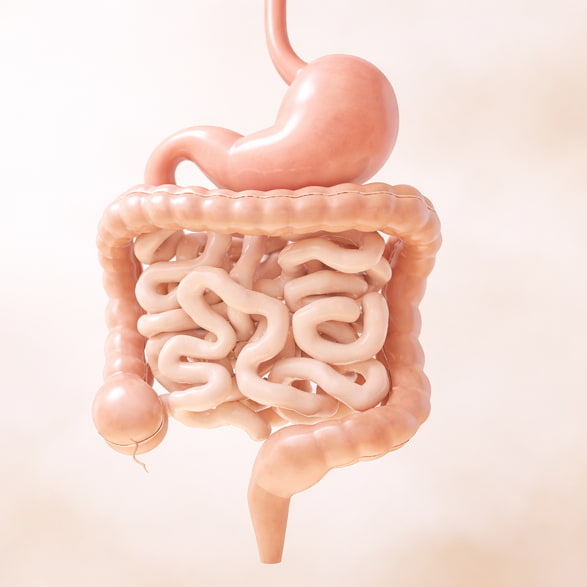
A central role is played by targeting incretin pathways involved in glucose regulation and satiety signaling. This influences not only the amount of food consumed but also gastric emptying rate, glucose sensitivity, and tissue response to insulin. As a result, meal frequency decreases, cravings for fast carbohydrates are reduced, and energy levels remain more consistent throughout the day. At the same time, infusion therapy supports cellular processes related to ATP production, enhancing mitochondrial activity and improving the use of energy substrates, including fatty acids.
Adaptive approach and controlled outcome
An additional layer of the program is continuous medical supervision with protocol adjustments. Metabolic processes are dynamic, and the body’s response evolves during weight reduction. Monitoring by an endocrinologist allows timely dose adjustments and helps maintain an optimal physiological response without overload. This creates a state where the body shifts from storing energy to utilizing it, and fat loss becomes a result of systematic regulation rather than temporary restriction.
Clinical Program Architecture



Doctors






Key Advantages
of Refresh Clinic