


Dubai
English
Request a call










Body areas that benefit most from lipolysis — abdomen, flanks, thighs, arms
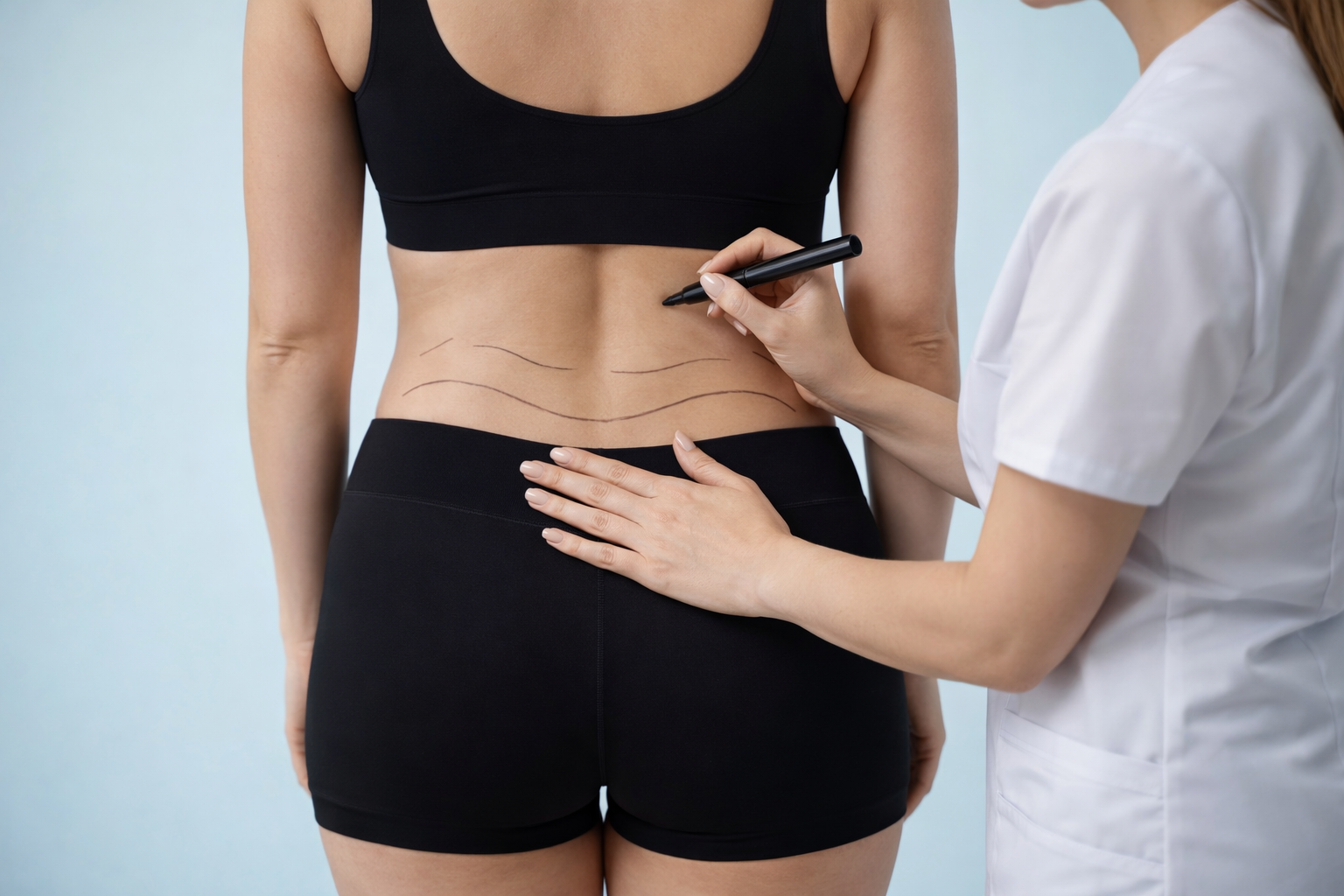
Targeted correction of localized fat deposits has firmly become part of modern aesthetic medicine practice. More and more patients choose solutions that deliver clear, predictable results without surgery — and this is exactly the goal achieved by body lipolysis. The procedure works gently and gradually on fat cells, helping improve contours in areas where diet and exercise have long stopped making a difference. To understand which zones respond best, it is important to consider the distribution of fat tissue and how the final effect is formed.
Why Different Areas Respond Differently
Each body area has its own density of fat cells, hormone sensitivity, and metabolic rate. That is why correction progresses quickly in some regions while others require more time. The most noticeable lipolysis effect is observed where fat cells respond better to external changes and are more susceptible to controlled breakdown. This explains why the method is highly востребована among patients who want to refine specific areas without overall weight loss.Abdomen and Flanks: Leaders in Demand and Results
Abdominal lipolysis remains one of the most requested procedures because fat tissue in this area tends to accumulate quickly and persist longer, even in people with normal weight. The same applies to the flanks: dense side deposits alter the waistline and rarely respond to exercise. These zones are often considered “stubborn” due to the depth and structural characteristics of fat layers. The method delivers stable and visible results here thanks to the uniform reduction of fat thickness. After a treatment course, contours appear smoother, transitions become cleaner, and the overall silhouette looks more defined. Before selecting a technique, the specialist evaluates tissue density, fat layer depth, and symmetry. These parameters determine the pace of change, the number of sessions required, and the precision of the final contour. Such assessment allows for a tailored approach and predictable outcomes.Thighs: A Structure That Requires Precision
The thigh area belongs to zones where fat cells form multiple layers. The superficial layer affects surface smoothness, while deeper deposits influence volume. Modern techniques allow work on both levels, making lipolysis an effective tool for correcting outer thighs, inner thighs, and the posterior surface. Gradual reduction is especially important here to ensure volume decreases evenly without altering natural proportions. Most patients prefer gentle methods that allow a quick return to daily activities.Arms: A Targeted Zone with Noticeable Changes
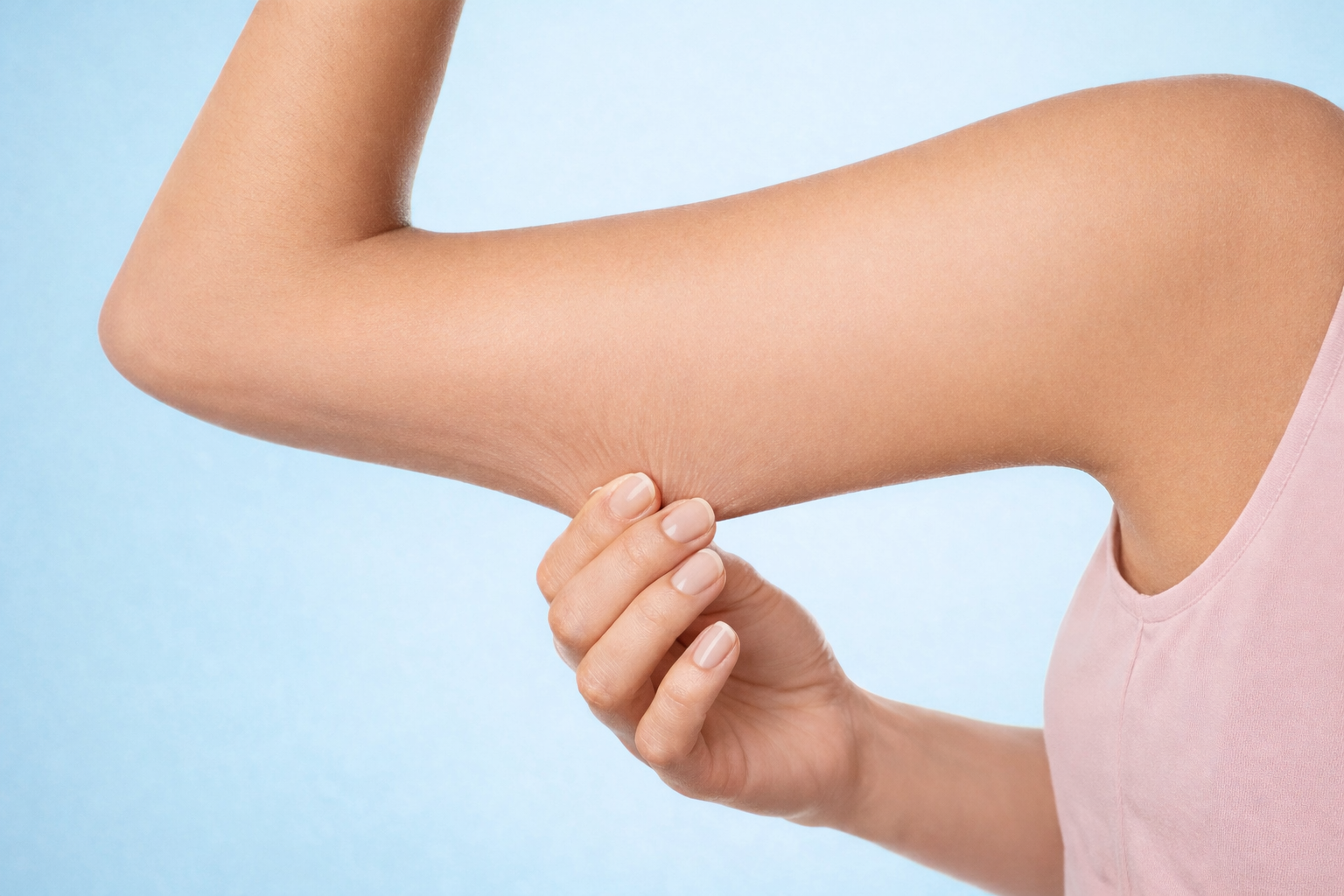
Upper arm correction is sought not only for aesthetic reasons but also because of the specific structure of fat tissue in this area. Compact fat “pads” often form here and persist even with regular arm workouts. These deposits tend to be denser than those in softer abdominal or thigh areas, making them less responsive to physical activity or dietary adjustments. In such cases, laser lipolysis of the arms proves particularly effective. The technology enables precise treatment of small areas without affecting surrounding tissues. Controlled depth of heating allows gradual fat cell breakdown, ensuring careful volume reduction without unevenness. Improvement becomes visible not only in the treated area: reducing arm volume visually lightens the shoulder line, enhances proportion, and refines contours. Even a slight decrease in fat thickness produces a noticeable aesthetic effect, making this zone one of the fastest to respond to treatment.
Where Lipolysis Works Best
When evaluating potential results, it is important to remember that the speed of change depends on metabolism and the selected technology. Below are areas that demonstrate the most stable response to the procedure. These zones are corrected especially effectively due to their tissue structure and even fat distribution. Main areas:- abdomen and flanks with localized fat accumulation;
- outer and inner thighs;
- arms with moderate volume;
- lower back;
- areas with dense fat deposits.
Advantages of the Method for Localized Areas
Patients increasingly choose lipolysis for weight reduction when the goal is focused contour correction rather than overall weight loss. The procedure targets fat cells in specific areas, helping refine body lines and create a slimmer visual silhouette. Before starting a treatment course, the specialist explains which changes will become visible sooner and how to maintain the result properly. Advantages:- targeted action without affecting surrounding tissues;
- ability to treat even small areas;
- gradual and predictable outcome;
- minimal systemic stress;
- natural improvement of lines and transitions.

When Lipolysis Is Especially Suitable
The method shows the greatest potential in patients seeking improved proportions without radical intervention. It allows gentle volume reduction in problem areas, improves symmetry, and restores contour clarity. Unlike more invasive procedures, fat cells are reduced gradually, and the result develops naturally. Body lipolysis becomes a logical choice when the goal is harmonizing shape rather than changing body weight. This approach preserves natural lines while delivering visible aesthetic improvement. We offer a range of available technologies: we select the technique according to the specific area, evaluate tissue density, and explain how the effect will develop. If you are looking for predictable results in comfortable conditions, contact us — we will conduct an assessment and recommend the most effective solution for your goals.
Fill out the form to book your consultation.
Your personal manager will contact you within 10 minutes and arrange a convenient time for your visit.