
















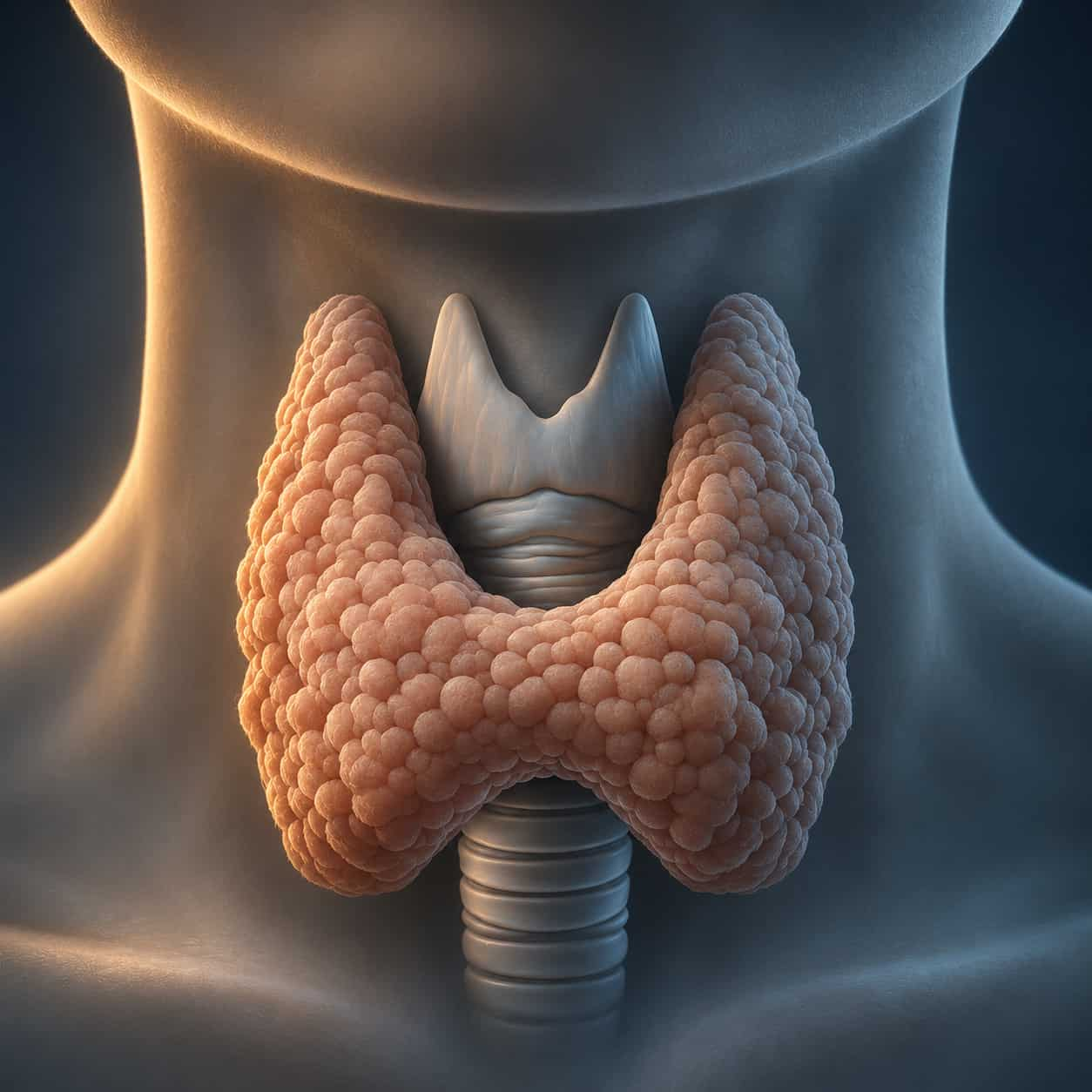





The endocrine system regulates metabolism, reproductive function, body temperature, bone density, sleep, and emotional stability. Even minor changes in hormone production or receptor sensitivity can affect several body systems simultaneously. Understanding how to recognize hormonal imbalance in women and when to see an endocrinologist is important for accurate diagnosis.
How Neuroendocrine Regulation Works in the Female Body
The reproductive and metabolic systems rely on close interaction between the hypothalamus, pituitary gland, ovaries, thyroid gland, and adrenal glands. These mechanisms form the basis of gynecological endocrinology, a branch of medicine that studies the influence of hormones on the menstrual cycle, fertility, skin condition, metabolism, and age-related changes in the body.
In practice, endocrine dysfunction rarely affects just one parameter. For example, thyroid disorders (hypothyroidism or thyrotoxicosis) can alter sex hormone-binding globulin levels and affect ovulation regularity. Elevated prolactin levels suppress the production of pituitary gonadotropins, while insulin resistance often accompanies polycystic ovary syndrome (PCOS) and hyperandrogenism.
Main Signs of Hormonal Imbalance
Symptoms of endocrine disorders are often mistaken for fatigue, stress, or age-related changes, making it important to assess them collectively. Clinical signs of hormonal imbalance include several characteristic groups of symptoms:
- Changes in the menstrual cycle and reproductive function: irregular periods, shorter or longer menstrual cycles, unusually light or heavy bleeding, absence of ovulation, severe premenstrual syndrome, and difficulty becoming pregnant;
- Metabolic and weight fluctuations: unexplained weight gain or loss despite unchanged eating habits and activity levels, a tendency toward fluid retention, and strong cravings for simple carbohydrates;
- Skin and hair-related symptoms: adult-onset acne, increased skin oiliness, male-pattern hair growth (hirsutism), or diffuse thinning and loss of scalp hair;
- General well-being and autonomic responses: persistent fatigue, drowsiness or insomnia, mood swings, anxiety, hot flashes, excessive sweating, dry skin and mucous membranes, and reduced libido.
When to Consult an Endocrinologist and How Medical Specialists Differ in Their Roles
Understanding when to see an endocrinologist depends on the persistence and combination of symptoms. If menstrual changes, weight fluctuations, fatigue, or skin problems persist for two to three months or significantly reduce quality of life, an in-person specialist assessment is necessary.
In practice, patients often begin by visiting a gynecologist or general practitioner. If abnormalities involving thyroid function, carbohydrate metabolism, adrenal function, or prolactin levels are identified, an endocrinologist becomes involved. At major international medical centers, patients consulting an endocrinologist in Dubai or another metropolitan area with advanced diagnostic facilities often receive coordinated care from an endocrinologist and a reproductive health specialist. This allows for a comprehensive assessment of the body rather than addressing individual laboratory results in isolation from the overall clinical picture.
How Professional Diagnosis Works and How to Prepare for a Consultation
To ensure that examinations are informative and avoid unnecessary testing, gynecological endocrinology relies on carefully scheduling tests according to the menstrual cycle, time of day, and clinical history. The diagnostic process typically includes several stages:
- Medical history and symptom assessment. The doctor reviews menstrual cycle patterns over recent months, weight changes, previous illnesses, family history of endocrine disorders, and a list of current medications or supplements.
- Physical examination. The doctor assesses body mass index, subcutaneous fat distribution, skin and hair condition, blood pressure, and the thyroid gland area.
- Targeted laboratory and diagnostic imaging tests. Depending on clinical indications, the doctor orders hormone panels, taking into account the menstrual cycle phase and morning hormone secretion peaks, assessments of carbohydrate and lipid metabolism, and ultrasound examinations of the pelvic organs and thyroid gland.
- Development of an individualized treatment strategy. By comparing symptoms, physical examination findings, and test results, the doctor identifies the underlying cause of the disorder and develops a treatment and follow-up plan.
Paying timely attention to the body's signals helps identify disorders at an early stage. Knowing which symptoms indicate hormonal imbalance in women and when to see an endocrinologist allows patients to undergo a comprehensive examination without unnecessary tests or prescriptions. Whether a patient receives care at a local clinic or is looking for an endocrinologist in Dubai who meets her specific needs, an in-person consultation with a qualified specialist remains the foundation of a safe medical approach.