
















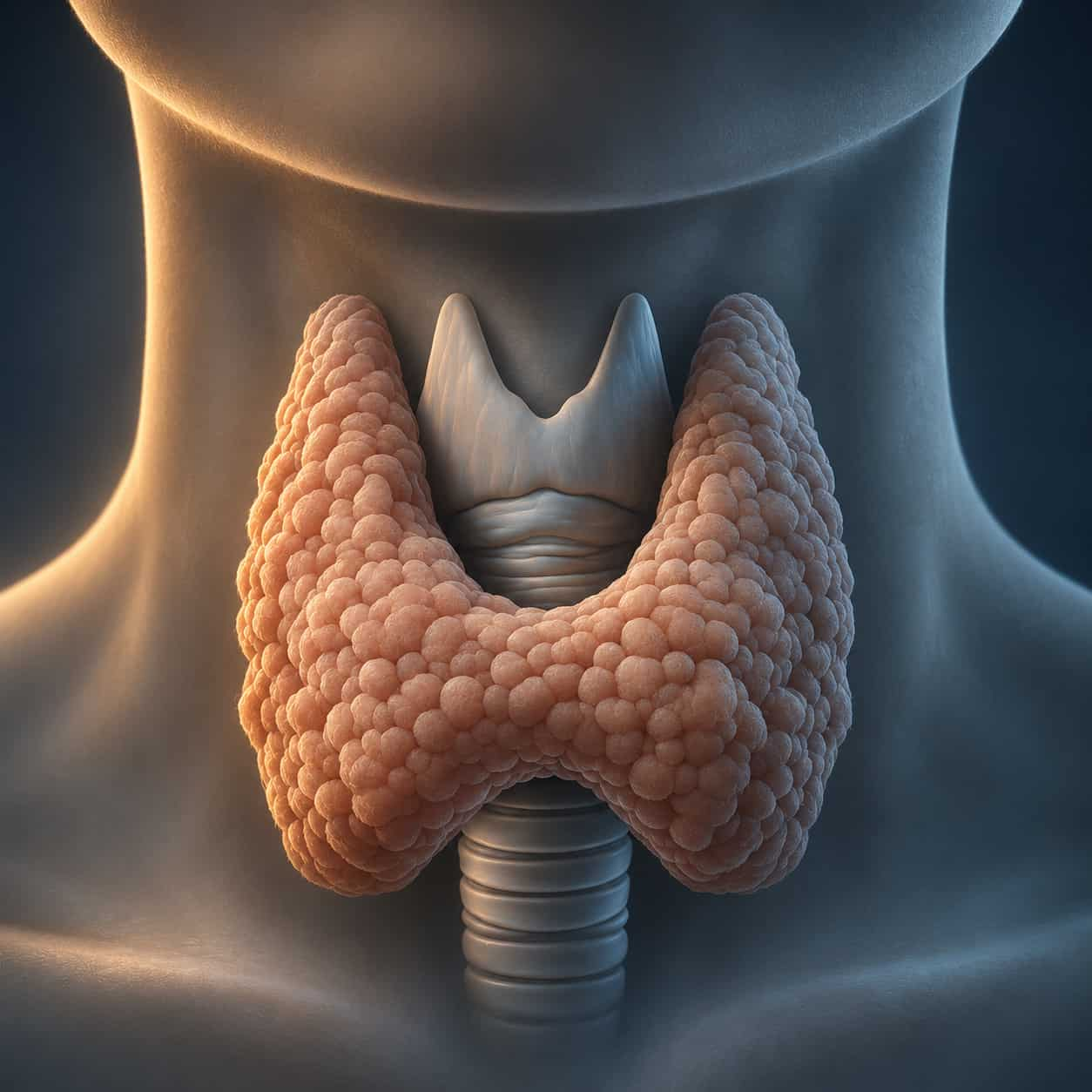





Simply put, hormones are the body's chemical messengers. Endocrine glands (the pituitary gland, thyroid gland, adrenal glands, pancreas, ovaries, or testes) release hormones into the bloodstream to transmit signals to organs and tissues, regulating energy expenditure, growth and renewal, stress responses, body temperature, sleep, and reproductive function.
Hormonal imbalance is a condition in which the levels of one or more hormones become too high or too low relative to what is normal for a particular person, age, and situation, or when cells become less responsive to these signals. It is important to understand that hormonal fluctuations throughout the day, month, or lifetime are a normal physiological process. An imbalance becomes a problem when these changes persist, cause symptoms, and interfere with overall well-being.
What Triggers Hormonal Disruption: Main Causes of Hormonal Imbalance
The endocrine system operates through a feedback mechanism: when the level of a hormone decreases, the brain signals the gland to increase production, and vice versa. When this balance is disrupted, a chain of changes begins.
In clinical practice, the causes of hormonal imbalance fall into several major categories:
- Endocrine gland diseases and metabolic disorders: for example, decreased or increased thyroid function (hypothyroidism or thyrotoxicosis), elevated prolactin levels, adrenal gland disorders, insulin resistance, or polycystic ovary syndrome;
- Physiological and age-related changes: puberty, pregnancy, the postpartum period, perimenopause, and menopause are stages during which hormone levels change naturally but may sometimes cause significant discomfort;
- Lifestyle and external stressors: chronic sleep deprivation, prolonged stress, restrictive diets or rapid weight gain, excessive physical exertion, and deficiencies in essential nutrients;
- Effects of medications: certain medications, such as systemic glucocorticoids or specific hormonal treatments, can alter hormone levels as a side effect.
Doctors also emphasize the connection between metabolism, thyroid function, and the female reproductive system. When hormonal disorders affect the menstrual cycle, ovulation, conception, or age-related changes, gynecological endocrinology becomes particularly relevant. This field combines two medical specialties to assess how sex hormones interact with the rest of the endocrine system.
Signs and Symptoms of Hormonal Imbalance: What to Look For
Since hormone receptors are present in almost all tissues, hormonal imbalance symptoms can vary considerably and may initially be mistaken for fatigue, stress, or a temporary phase of life. Doctors assess not just one isolated symptom but the combination of symptoms and their duration.
Common signs of hormonal imbalance include:
- Changes in the menstrual cycle and reproductive health. Irregular periods, unusually short or long menstrual cycles, painful premenstrual syndrome, difficulty becoming pregnant, hot flashes, or mucosal dryness.
- Weight fluctuations and metabolic changes. Unexplained weight gain or loss without changes in diet or physical activity, a tendency toward fluid retention, persistent sensitivity to cold or, conversely, heat intolerance and a rapid heartbeat.
- Sleep, energy, and mood problems. Chronic fatigue, daytime drowsiness or nighttime insomnia, anxiety, irritability, mood swings, reduced concentration, and decreased libido.
- Skin and hair conditions. Persistent skin breakouts, increased skin oiliness or dryness, hair loss and thinning, and hair growth in unusual areas.
These symptoms alone do not confirm an endocrine disorder. Similar complaints may occur with anemia, iron or vitamin D deficiency, sleep disorders, gastrointestinal problems, or emotional burnout. This is why doctors compare clinical symptoms with laboratory and diagnostic imaging results.
When to Consult an Endocrinologist: Practical Advice
It is worth considering a medical consultation when symptoms become persistent and recurrent rather than waiting until they become unbearable. If discomfort lasts longer than a few weeks, becomes more pronounced, or regularly interferes with work, sleep, and daily life, arranging an appointment through an endocrinologist consultation Dubai service is an appropriate option. If the main concerns involve the menstrual cycle, ovulation, or reproductive health, it is helpful to check whether the specialist works alongside a gynecologist or whether the clinic offers gynecological endocrinology services.
To prepare for the appointment calmly and effectively, doctors recommend following a simple sequence of steps:
- Record your symptoms and their progression. Note when the changes first appeared, what makes them worse or better, and, in cases of menstrual irregularities, the dates and characteristics of your periods over recent months.
- Gather your medical history and a list of medications. Bring previous test and ultrasound results, medical records, information about chronic conditions among close relatives, and a list of all medications and supplements you currently take.
- Avoid taking tests without medical guidance before the examination. Many hormone levels depend on the menstrual cycle phase, time of day (blood samples are often collected early in the morning), and preparation. Therefore, it is more reliable to discuss the exact list of tests with the doctor during the initial consultation.
- Discuss the examination plan and its scope. Ask the specialist which tests are necessary in your particular situation, how they relate to your symptoms, and what further steps will be required.
In simple terms, hormonal imbalance is a noticeable and persistent disruption in the regulation of the body's internal chemical messengers that affects overall well-being. Understanding the signs of hormonal imbalance, hormonal imbalance symptoms, and causes of hormonal imbalance helps identify the problem early rather than dismissing it as a coincidence. When symptoms persist, a timely consultation with an endocrinologist, along with gynecological endocrinology care for reproductive and menstrual concerns, helps identify the underlying causes accurately and safely.