













- Muscle, ligament, and tendon injuries
- Skin and soft tissue damage
- Inflammatory conditions
- Pain-related discomfort
- Impaired circulation
- Post-exercise recovery
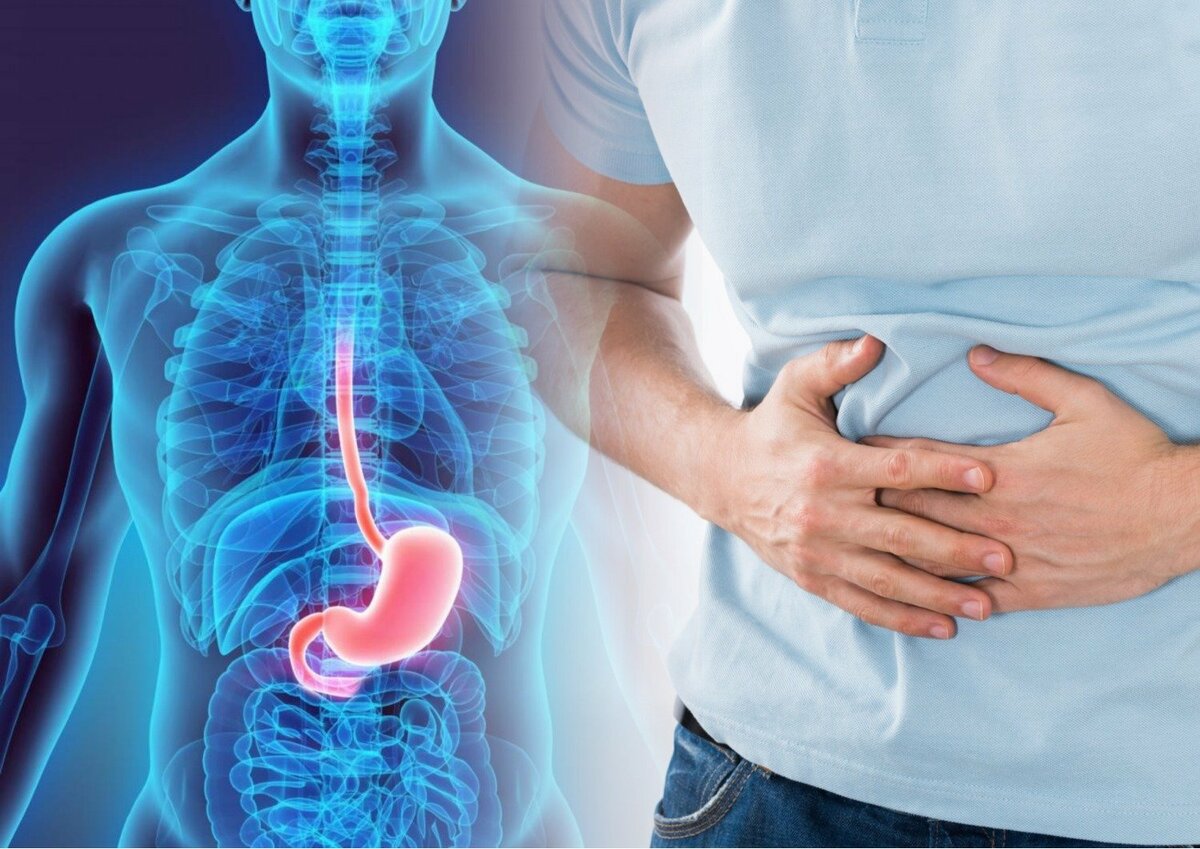
- Gastrointestinal support

- Individual intolerance to components
- Pregnancy
- Breastfeeding
- Chronic conditions (under medical supervision)
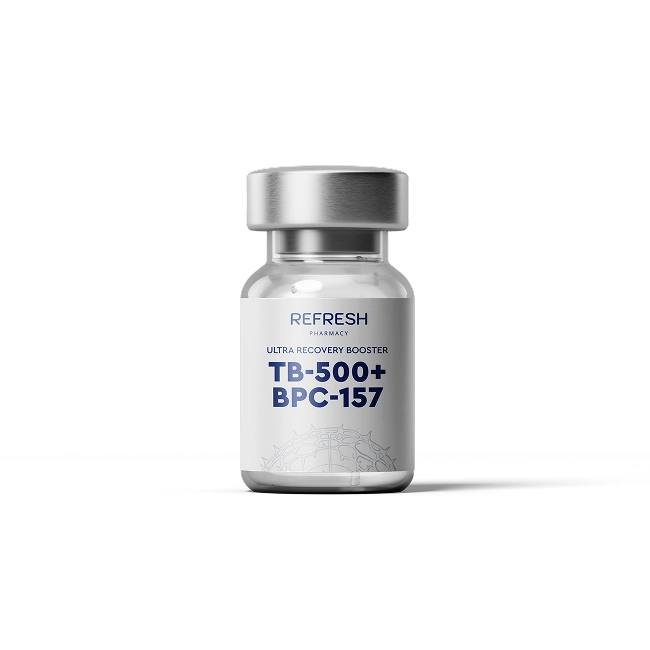
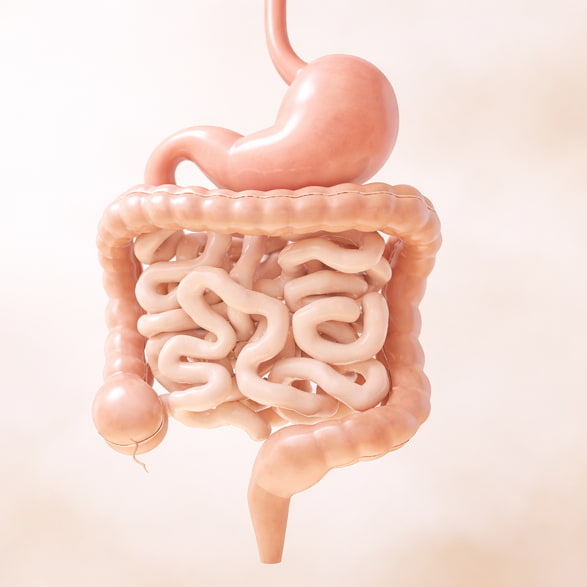
The peptide is often linked to faster recovery following physical damage, as well as support for internal tissues such as the gastrointestinal lining. It may also contribute to a reduction in discomfort by influencing pathways...
The peptide is often linked to faster recovery following physical damage, as well as support for internal tissues such as the gastrointestinal lining. It may also contribute to a reduction in discomfort by influencing pathways related to pain perception.
Recognized as one of the most studied synthetic peptides in regenerative medicine, BPC-157 is associated with the modulation of endogenous anabolic signals. This allows tissues to access nutrients more effectively and supports overall healing efficiency.
In addition, the peptide interacts with transient receptor potential (TRP) channels, which play a role in regulating circulation and sensory response. Through this mechanism, it may help improve microvascular function while reducing sensitivity to pain stimuli.
Key Benefits
| Effect | Description |
|---|---|
| Tissue repair | Supports recovery of muscles, tendons, skin, and soft tissues |
| Anti-inflammatory support | Helps reduce inflammation and swelling |
| Pain modulation | Contributes to mild analgesic effects |
| Microcirculation improvement | Enhances blood flow and nutrient delivery |
| Gastrointestinal support | Assists in maintaining and restoring gut lining integrity |
Smart Benefits.
Maximum Impact.








The Science of Longevity in Detail