


















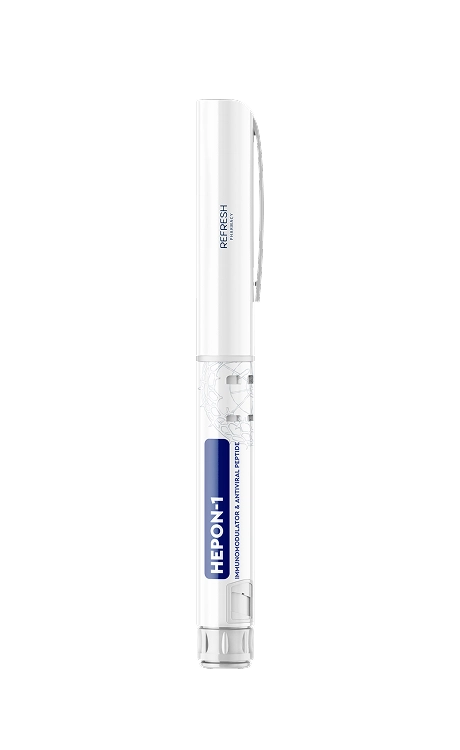
HEP-1 Pen (Gepon) is a synthetic tetradecapeptide composed of 14 amino acids and representing a fragment of the ezrin protein (amino acids 324–337). The peptide functions as a potent immunomodulatory and antivi...
HEP-1 Pen (Gepon) is a synthetic tetradecapeptide composed of 14 amino acids and representing a fragment of the ezrin protein (amino acids 324–337). The peptide functions as a potent immunomodulatory and antiviral agent designed to support the body’s natural immune defenses and regulate antiviral responses. HEP-1 stimulates the production of interferons α and β, activates macrophages, and enhances the activity of natural killer (NK) cells, helping the immune system recognize and suppress viral replication.
Chemical characteristics
Molecular formula: C₇₄H₁₃₂N₂₆O₂₇
Mechanism of action
HEP-1 operates through a dual biological mechanism that combines antiviral activity with immune system modulation.
Antiviral activity
The peptide interacts with the alpha-domain of the ezrin protein, facilitating penetration into cells and interfering with viral replication processes. Research indicates that this mechanism can significantly reduce the expression of viral envelope proteins, limiting the ability of viruses to replicate and infect new cells.
Immunomodulatory activity
HEP-1 also interacts with toll-like receptors of the innate immune system, leading to increased production of interferons α and β. This signaling cascade enhances the activity of immune effector cells, including natural killer cells responsible for eliminating virus-infected cells. At the same time, the peptide contributes to regulation of inflammatory responses by lowering the levels of pro-inflammatory cytokines such as IL-6 and TNF-α.
Through these combined mechanisms, HEP-1 supports antiviral protection while helping maintain immune balance and control inflammatory reactions. The peptide may contribute to strengthening immune resilience during viral challenges and improving recovery following viral infections.
Because of its ability to regulate interferon pathways and innate immune activity, HEP-1 is increasingly studied in protocols aimed at immune support, management of chronic viral conditions, and restoration of immune function after prolonged immune stress.
Pen format advantages
The pen format allows precise dosing, sterile administration, and convenient use within structured immune-support protocols. HEP-1 Pen is commonly incorporated into programs designed to enhance antiviral defense, regulate immune responses, and support recovery in individuals experiencing immune fatigue or post-viral complications.
Smart Benefits.
Maximum Impact.








The Science of Longevity in Detail