












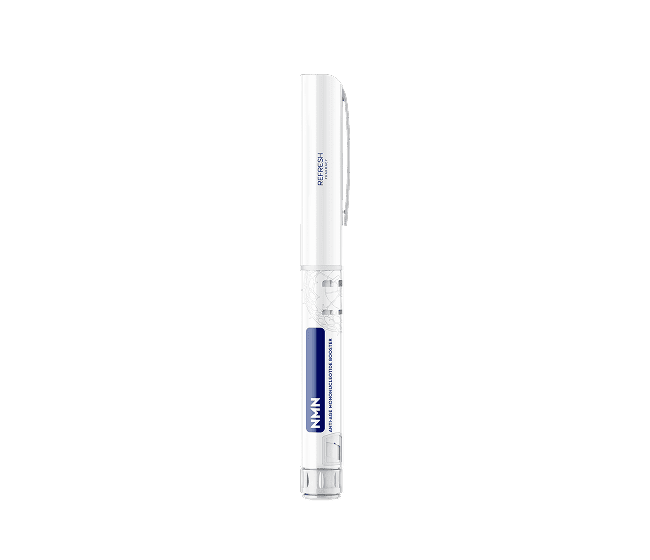
NMN Pen represents a next-generation metabolic support formulation that combines the biological activity of signaling peptides with nicotinamide mononucleotide (NMN), a key precursor of the cellular coenzyme NAD+. Through the s...
NMN Pen represents a next-generation metabolic support formulation that combines the biological activity of signaling peptides with nicotinamide mononucleotide (NMN), a key precursor of the cellular coenzyme NAD+. Through the synergy of these components, the formula is designed to support cellular metabolism, energy production, and mechanisms associated with healthy aging.
The peptide component consists of short chains of amino acids that act as biological signaling molecules. These compounds participate in intracellular communication and help regulate important physiological processes such as tissue repair, protein synthesis, and immune system activity. By influencing these signaling pathways, peptides contribute to maintaining normal cellular function and structural integrity of tissues.
Nicotinamide mononucleotide (NMN) plays a central role in cellular energy metabolism as a direct precursor of NAD+. This coenzyme is essential for mitochondrial function, DNA repair, and numerous enzymatic reactions responsible for maintaining metabolic balance. By supporting NAD+ levels, NMN helps sustain mitochondrial activity and improves the ability of cells to adapt to metabolic and environmental stress.
Together, peptides and NMN create a synergistic effect that supports regenerative processes and cellular resilience. Activation of repair mechanisms may help improve tissue recovery after stress, physical strain, or age-related changes, supporting the normal condition of skin, muscles, and internal organs.
Another important function of NMN is its contribution to cellular energy production. By increasing the availability of NAD+, NMN supports mitochondrial bioenergetics and ATP synthesis, which may enhance endurance, improve vitality, and reduce fatigue during periods of high physical or mental demand.
The formulation also supports cellular defense systems by helping regulate oxidative balance. By limiting the damaging effects of reactive oxygen species, the compound contributes to maintaining cellular integrity and protecting tissues from premature aging and metabolic stress.
In addition, NMN-related pathways are associated with improved regulation of immune responses. By supporting metabolic stability and cellular communication, the compound may contribute to more balanced immune function and improved resistance to environmental challenges.
Chemical characteristics NMN
Molecular formula: C11H15N2O8PChemical name: β-Nicotinamide riboside-5′-phosphate (lyophilized form)
After subcutaneous or intradermal administration, the compound is absorbed and enters the NAD+ biosynthesis pathway through enzymatic conversion involving the NAMPT pathway: NAMPT → NMN → NAD+. This process contributes to increased mitochondrial energy production and improved metabolic activity.
Through activation of mitochondrial bioenergetics, ATP production may increase significantly, supporting improved physical performance, energy levels, and overall physiological resilience. Enhanced NAD+ availability is also associated with improved DNA repair mechanisms and reduced accumulation of cellular damage.
NMN Pen is considered a promising tool within modern metabolic and longevity-oriented protocols, aimed at maintaining cellular energy balance, supporting tissue renewal, and promoting long-term physiological resilience.
Smart Benefits.
Maximum Impact.








The Science of Longevity in Detail