









Genetic predisposition to hypothyroidism

Genetic predisposition to hypothyroidism Genetic predisposition to hypothyroidism

Genetic predisposition to hypothyroidism

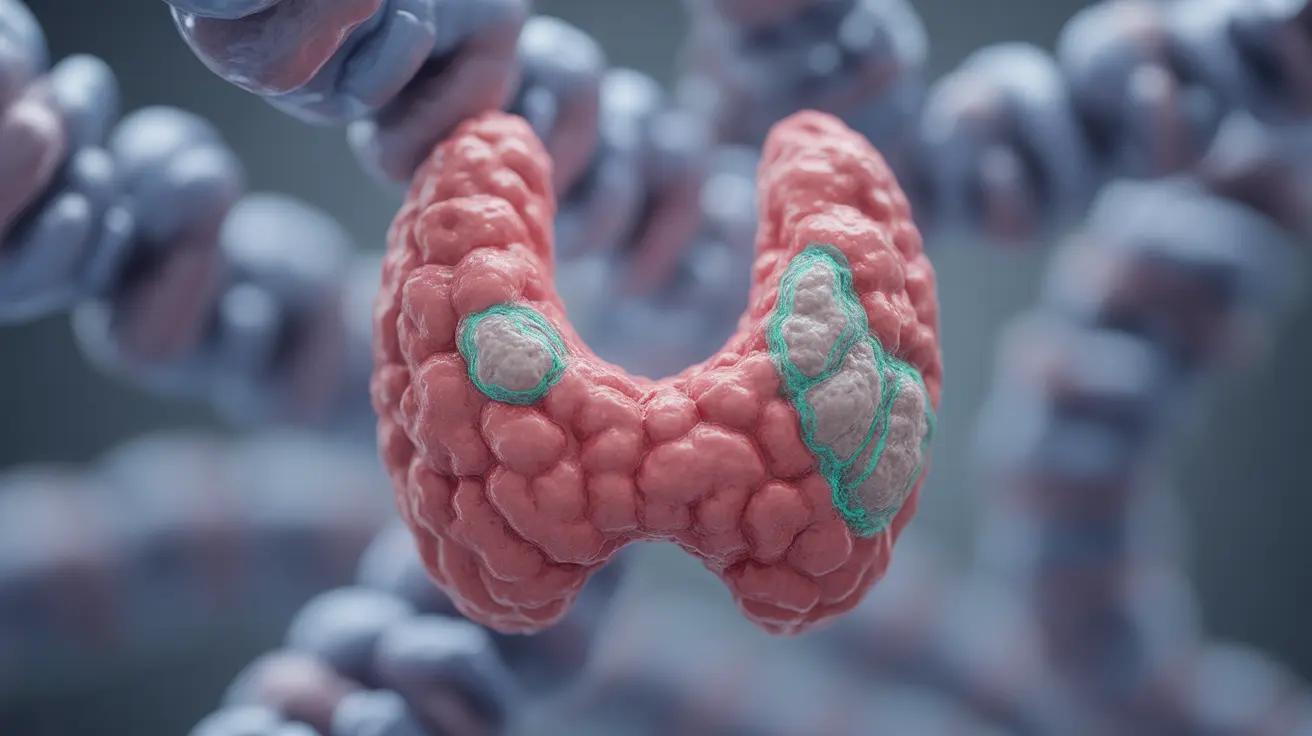
A genetic test for hypothyroidism helps assess an inherited predisposition to developing the condition. The test analyses variants in the DIO1 and DIO2 genes, which are associated with the conversion of the T4 hormone into active T3 and the action of thyroid hormones in the body.

Why it matters

The thyroid gland produces predominantly T4, while a significant proportion of active T3 is formed outside the thyroid. This conversion is carried out by specialised enzymes called deiodinases. Their activity affects the availability of thyroid hormones in the bloodstream and individual tissues. Deiodinase activity is partly influenced by genetic factors. Certain variants in DIO1 and DIO2 have been associated with differences in thyroid hormone metabolism, although the magnitude and clinical significance of these effects may vary.

The test provides the physician with additional information about inherited differences in thyroid hormone conversion. Results are interpreted alongside TSH, free T4, clinical symptoms, medical history, and other diagnostic findings.

Genetic assessment of thyroid function

Hypothyroidism develops when the effects of thyroid hormones in the body are insufficient. Diagnosis is based primarily on laboratory assessment of thyroid function. One of the key markers is TSH, which is usually assessed together with free T4. When hypothyroidism symptoms are present, the physician interprets laboratory findings alongside the patient’s symptoms, medical history, and other clinical information.

A genetic analysis for hypothyroidism provides additional information about inherited characteristics of thyroid hormone metabolism. A genetic test for hypothyroidism examines variants in DIO1 and DIO2, genes associated with deiodinase function and the conversion of T4 into active T3. The results complement the clinical picture and are interpreted alongside standard thyroid function markers.

check-icon
Genetic characteristics of thyroid hormone metabolism
check-icon
Conversion of thyroxine T4 into active T3
check-icon
Gene variants associated with deiodinase function
check-icon
Individual characteristics of T3 availability in tissues
check-icon
Additional information for a comprehensive assessment of thyroid status
plus-icon
Family history of thyroid disorders
plus-icon
Reduced thyroid function
plus-icon
Diagnosed hypothyroidism
plus-icon
Changes in TSH and thyroid hormone levels
plus-icon
Additional assessment when selecting or adjusting treatment
plus-icon
Persistent symptoms during thyroid hormone replacement therapy
plus-icon
Pregnancy planning and thyroid function monitoring
plus-icon
Assessment of thyroid status during adolescence
plus-icon
Monitoring thyroid function in older adults
plus-icon
Conditions that may affect thyroid hormone metabolism
plus-icon
Extended assessment of individual thyroid hormone metabolism
Programme components

The panel includes analysis of DIO1 and DIO2. Both genes are associated with enzymes involved in thyroid hormone metabolism, although their physiological roles differ. DIO1 contributes to peripheral thyroid hormone metabolism, while DIO2 plays a particularly important role in the local production of active T3 within tissues.

Genetic variants are determined once and remain unchanged throughout life. The results are considered as an additional part of the overall clinical picture.

01
DIO1 gene

DIO1 is associated with type 1 deiodinase, an enzyme involved in thyroid hormone metabolism, including the activation and inactivation of different forms of thyroid hormones.
The panel includes: 3 DIO1 polymorphisms. Their analysis provides additional information about inherited characteristics of peripheral thyroid hormone metabolism and the production of circulating T3. Certain DIO1 variants have been associated with differences in thyroid hormone levels and ratios, although the magnitude of these effects may be small.

02
DIO2 gene

DIO2 is associated with type 2 deiodinase. This enzyme converts T4 into active T3 directly within tissues and therefore contributes to the local regulation of thyroid hormone action. D2 is particularly relevant to the central nervous system and pituitary-thyroid regulation.
The test includes: 2 DIO2 polymorphisms and identifies genetic variants that may influence local T3 production. The possible association of certain DIO2 variants with patient well-being and response to thyroid hormone replacement therapy continues to be studied. Current evidence is insufficient to select treatment based solely on the results of this genetic test.

Key Advantages
of Refresh Clinic

Your gateway to the science of longevity
Expertise & Care
Expertise & Care
All procedures are performed by nurses with 10+ years of practice — in an environment designed for comfort and trust.
Personal Health Concierge
From your first visit to long-term results, you are guided by an expert who tailors every stage to your needs.
Clinical Safety
Clinical Safety
Programs are designed by endocrinologists with attention to your metabolic profile and follow international quality standards.