
Book a consultation
Book

Dubai
English


10:00 – 21:00, daily
Dubai
English
Request a call







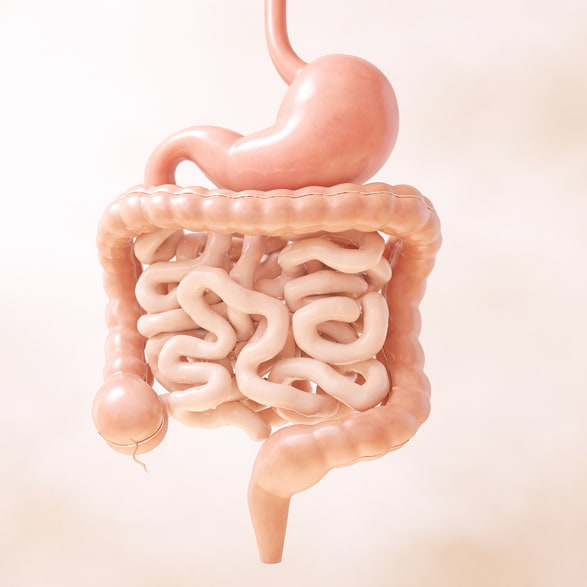







Nutrition specialists say that people's understanding of weight loss and weight gain has changed dramatically over the past few years. Previously, it was believed that losing weight was only possible through intensive exercise and strict calorie counting. Today, doctors increasingly recommend paying attention to gastrointestinal health, as it directly affects metabolism, appetite, and the body's ability to break down nutrients.
Gut Microbiota and Metabolism: What Is the Connection?
Our intestines are home to trillions of microorganisms — bacteria, viruses, and fungi — that form a unique ecosystem. The balance between beneficial and potentially harmful bacteria determines how the body extracts energy from food. The connection between gut health and weight gain has become the subject of numerous studies. Research has shown that the composition of the gut microbiota differs significantly between people who are prone to weight gain and those with a naturally slim body type. Two major groups of bacteria are found in the gastrointestinal tract: Firmicutes and Bacteroidetes. When Firmicutes bacteria are present in excessive amounts, the body extracts significantly more calories from the same amount of food. This is why two people may eat identical portions, yet one gains weight while the other remains slim. When evaluating the impact of gut health on body weight, scientists identify several key mechanisms:- Energy extraction. Certain types of microorganisms can break down complex carbohydrates and fiber into short-chain fatty acids (SCFAs), providing the body with additional "hidden" calories.
- Control of chronic inflammation. Dysbiosis (an imbalance of gut bacteria) increases the permeability of the intestinal walls. Toxins entering the bloodstream can trigger low-grade systemic inflammation, contributing to insulin resistance and increased fat storage.
- Regulation of appetite hormones. Gut bacteria are involved in regulating hunger and satiety hormones (leptin, ghrelin, and GLP-1). Disruptions in this system can lead to constant overeating and cravings for simple carbohydrates.
How Are Digestion and Body Weight Connected?
A healthy gastrointestinal system is the foundation of proper metabolism. When examining the relationship between digestion and body weight, it is important to consider the effectiveness of digestive enzymes and the speed of intestinal motility. When the digestive process is disrupted, food may move more slowly through the gastrointestinal tract, leading to fermentation and putrefaction. This can cause swelling, abdominal bloating, and changes in lipid metabolism. In addition, when vitamins and minerals are not properly absorbed, the body may experience hidden hunger. In an attempt to compensate for these deficiencies, a person may feel an irresistible urge to snack, resulting in excess calorie intake. When considering why diets often fail to produce long-term results, it is worth checking the condition of the gastrointestinal tract. Sluggish intestinal motility and inflammatory processes in the intestinal lining can interfere with the normal breakdown of fats and carbohydrates.Gut Health and Weight Loss: How to Improve Digestion to Lose Weight
The connection between gut health and weight loss also works in the opposite direction: restoring a healthy balance of gut microbiota can help naturally boost metabolism and reduce excess body fat. To support weight loss and improve overall well-being, a comprehensive approach to gastrointestinal health is essential:- increase your fiber intake. Prebiotic foods (vegetables, leafy greens, whole grains, and berries) serve as a primary food source for beneficial Bacteroidetes bacteria, stimulating their growth;
- add fermented foods. Unsweetened yogurt, kefir, sauerkraut, and kimchi provide the gut microbiota with live probiotics;
- reduce ultra-processed foods. Excessive sugar, trans fats, and artificial additives can negatively affect beneficial gut bacteria and contribute to inflammatory processes;
- stay properly hydrated. Drinking enough clean water is essential for normal intestinal motility and the timely elimination of metabolic waste products.

Fill out the form to book your consultation.
Your personal manager will contact you within 10 minutes and arrange a convenient time for your visit.