
Book a consultation
Book

Dubai
English


10:00 – 21:00, daily
Dubai
English
Request a call








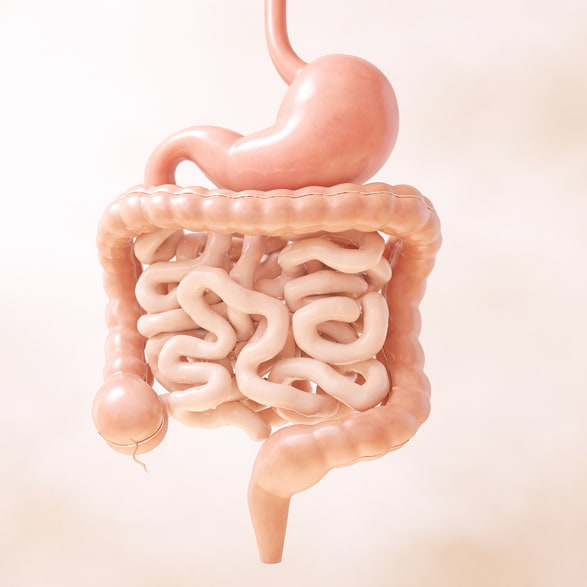







Gastrointestinal disorders are among the most common reasons for consulting a general practitioner or gastroenterologist. Irritable bowel syndrome (IBS) is a functional disorder that negatively affects quality of life, causing psychological, emotional, and physical discomfort. However, it does not cause structural damage to the intestinal tissues.
Let's explain what IBS is in simple terms, how to recognize the condition by its symptoms, why it develops, and how to diagnose it correctly.
Many patients wonder how long an IBS episode or the condition itself lasts. IBS is a chronic disorder characterized by periods of flare-ups and remission. For an official diagnosis, symptoms must have been present during the last 3 months, with symptom onset at least 6 months before diagnosis.
What Is Irritable Bowel Syndrome?
Many patients ask their doctors whether irritable bowel syndrome is a separate medical condition or simply a temporary digestive problem. From a medical perspective, irritable bowel syndrome is a functional gastrointestinal disorder characterized by chronic abdominal pain, bloating, and changes in bowel movement frequency or stool consistency without any structural abnormalities, such as inflammation, tumors, or ulcers. The condition occurs in all age groups. It is diagnosed in working-age adults (most commonly between 20 and 40 years old), but it is also frequently observed in older schoolchildren and teenagers. According to statistics, this condition is diagnosed almost twice as often in women as in men, which is associated with hormonal differences and increased sensitivity to stress.Main Signs and Symptoms of Irritable Bowel Syndrome
The main difficulty in diagnosing IBS is that its clinical manifestations are similar to those of many other gastrointestinal disorders. To seek medical attention in time, it is important to recognize the key symptoms. The condition is characterized by three main symptoms:- Abdominal pain and discomfort. A common question among patients is where the pain occurs with this disorder. Most often, discomfort and cramps are located in the lower abdomen (in the left or right iliac region), around the navel, and less commonly throughout the entire abdomen. The pain usually becomes worse after eating and decreases or disappears completely after bowel movements or passing gas.
- Changes in bowel movements. Depending on the nature of these changes, IBS is classified into diarrhea-predominant, constipation-predominant, and mixed types.
- Flatulence and bloating. A feeling of abdominal fullness and pressure that becomes more noticeable toward the evening.
| Type of IBS | Stool Characteristics | Associated Symptoms |
| IBS with diarrhea (IBS-D) | Frequent loose or mushy stools (more than 3 times a day), frequent bowel movements, especially in the morning | Sudden urgency to defecate, feeling of incomplete bowel emptying |
| IBS with constipation (IBS-C) | Hard stools, fewer than three bowel movements per week | Lower abdominal pain, bloating, feeling of blockage |
| Mixed IBS (IBS-M) | Alternating periods of diarrhea and constipation | Irregular bowel movements, persistent flatulence |
| Unclassified IBS (IBS-U) | Changes in stool consistency are not pronounced enough to meet the criteria for other types | Occasional cramps, abdominal fullness, discomfort |
Causes: Why Does Irritable Bowel Syndrome Develop?
When explaining what causes irritable bowel syndrome and why its symptoms develop, doctors emphasize that the condition has multiple contributing factors. At its core is a disruption in communication between the central nervous system and the intestines, known as the gut-brain axis. The main factors and causes of irritable bowel syndrome include:- Psychological stress and anxiety. Chronic fatigue, anxiety disorders, and depression directly affect gastrointestinal motility.
- Visceral hypersensitivity. The pain threshold of receptors in the intestinal wall is reduced, so normal gas formation may be perceived as severe pain.
- Disruption of the gut microbiota (dysbiosis). Previous acute intestinal infections (post-infectious IBS) or antibiotic use can alter the composition of intestinal bacteria.
- Dietary factors. Consuming large amounts of fatty foods, caffeine, alcohol, carbonated drinks, and foods that promote fermentation.
How to Recognize and Diagnose Irritable Bowel Syndrome?
Before determining whether you have IBS rather than another serious condition, it is important to rule out structural gastrointestinal diseases such as Crohn's disease, ulcerative colitis, celiac disease, and tumors. Avoid self-diagnosis. Only a qualified medical specialist can determine how to identify the disorder correctly.The Diagnostic Process Includes:
- Medical history and assessment using the Rome IV criteria. Abdominal pain occurring at least 1 day per week during the last 3 months, associated with bowel movements or changes in stool frequency or appearance.
- Laboratory tests. Complete blood count, blood chemistry tests, fecal occult blood testing, and fecal calprotectin testing (to rule out inflammation).
- Diagnostic procedures. Abdominal ultrasound and, if necessary, colonoscopy or gastroscopy.
Warning Signs: When It May Not Be IBS:
If symptoms include fever, unexplained weight loss, blood in the stool, nighttime abdominal pain, or the condition first appears after the age of 50, immediate and more detailed medical evaluation is required.Treatment Principles
Comprehensive treatment includes:- dietary adjustments: following a low-FODMAP diet (restricting certain short-chain carbohydrates);
- medication therapy: antispasmodics to relieve pain, probiotics, medications that regulate intestinal motility, and, when necessary, mild sedatives or antidepressants;
- psychotherapy: relaxation techniques and cognitive behavioral therapy to reduce stress levels.

Fill out the form to book your consultation.
Your personal manager will contact you within 10 minutes and arrange a convenient time for your visit.