
Book a consultation
Book

Dubai
English


10:00 – 21:00, daily
Dubai
English
Request a call








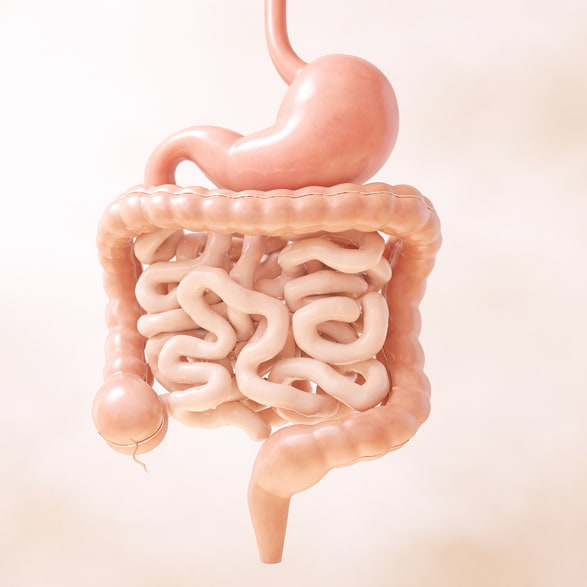






Gastrointestinal diseases are among the most common reasons for seeking medical attention. For a long time, many people believed that ulcers and gastritis developed due to stress, poor diet, or the consumption of spicy foods. However, in the late 20th century, modern medicine was able to prove that a bacterium is the main cause of many gastrointestinal diseases.
Let's explore what Helicobacter pylori is and why this microorganism can be dangerous to human health.
What Is This Bacterium?
In simple terms, Helicobacter pylori is a pathogenic microorganism that lives in the gastrointestinal tract. From a medical perspective, it is a spiral-shaped bacterium that colonizes different parts of the stomach and duodenum. Its main distinguishing feature is its ability to survive in the highly acidic environment of the stomach. By producing a special enzyme called urease, the microorganism neutralizes hydrochloric acid in its immediate surroundings and damages the protective mucous barrier of these organs. When examining what this pathogen is and where it comes from, it is important to understand how it spreads. The main causes of infection are associated with poor hygiene practices.Routes of Infection: How Is the Microorganism Transmitted?
The main source of the pathogen is an infected person. Understanding how people become infected is extremely important, as this pathogen is responsible for one of the most common infections worldwide. The main routes of transmission are household contact and the fecal-oral route. Understanding how the infection spreads helps prevent transmission among family members:- sharing dishes, cutlery, and personal hygiene items (toothbrushes, towels);
- poorly washed vegetables, fruits, or contaminated water;
- kissing and close household contact;
- improperly sterilized medical instruments (for example, during endoscopy).
Main Manifestations: Symptoms of the Disease
In most cases, the microorganism may remain in the body for a long time without causing any noticeable symptoms, staying in a "dormant" state. However, when the immune system is weakened, during periods of stress, or due to dietary problems, the first unpleasant symptoms may appear. The danger of this pathogen lies in the fact that its clinical manifestations are similar to the typical symptoms of gastritis. Nevertheless, several characteristic Helicobacter pylori symptoms can be identified:- Pain in the upper abdomen (epigastric region). It often occurs when the stomach is empty, 1.5–2 hours after eating, or during the night.
- Heartburn and acidic belching. Damage to the mucous membrane can lead to the reflux of acidic stomach contents into the esophagus.
- Nausea and a feeling of heaviness. A sensation of fullness in the stomach may occur even after eating a small amount of food.
- Loss of appetite and an unpleasant taste in the mouth.
- Changes in bowel movements. Irregular stools, a tendency toward constipation or diarrhea, and flatulence.
Why Is Long-Term Infection Dangerous?
Ignoring the characteristic signs of Helicobacter pylori infection can be extremely dangerous. Without timely treatment, the activity of the pathogen can lead to chronic inflammation, including gastritis and duodenitis. Over time, erosions and ulcers may develop in the damaged areas of the stomach or duodenum. In addition, the long-term presence of the bacterium can cause atrophy of the mucous membrane, which doctors consider a precancerous condition. The World Health Organization classifies this pathogen as a Group 1 carcinogen. Timely diagnosis and appropriate treatment based on a combination of specific antibiotics and medications that reduce stomach acidity can completely eradicate the pathogenic bacteria and restore stomach health. If you experience the first symptoms, avoid self-medication and consult a healthcare professional.
Fill out the form to book your consultation.
Your personal manager will contact you within 10 minutes and arrange a convenient time for your visit.