














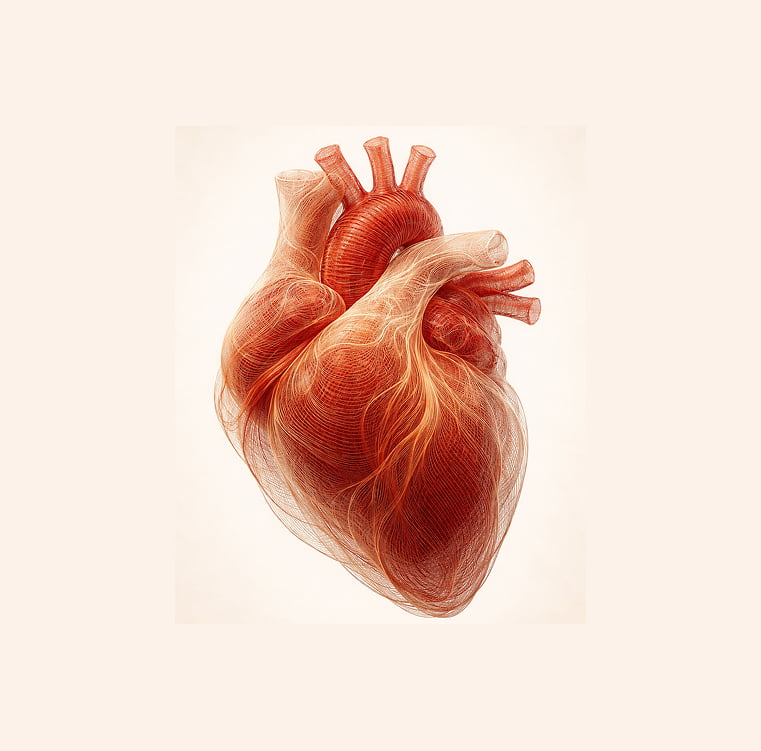




Mounjaro and the Heart
Mounjaro (tirzepatide) has rapidly become one of the most talked-about therapies in modern medicine, largely due to its impressive impact on weight reduction. However, as clinical data continues to accumulate, it is becoming increasingly clear that its true value lies not only in fat loss, but in its ability to reshape core cardiometabolic processes.
Today, Mounjaro is viewed as a systemic therapy that simultaneously influences glucose regulation, lipid metabolism, inflammatory pathways, and vascular function. This represents a fundamental shift in how obesity and metabolic disorders are treated — moving away from symptomatic management toward targeting the underlying biological mechanisms.
Dual agonism: the mechanism behind its broad clinical effects
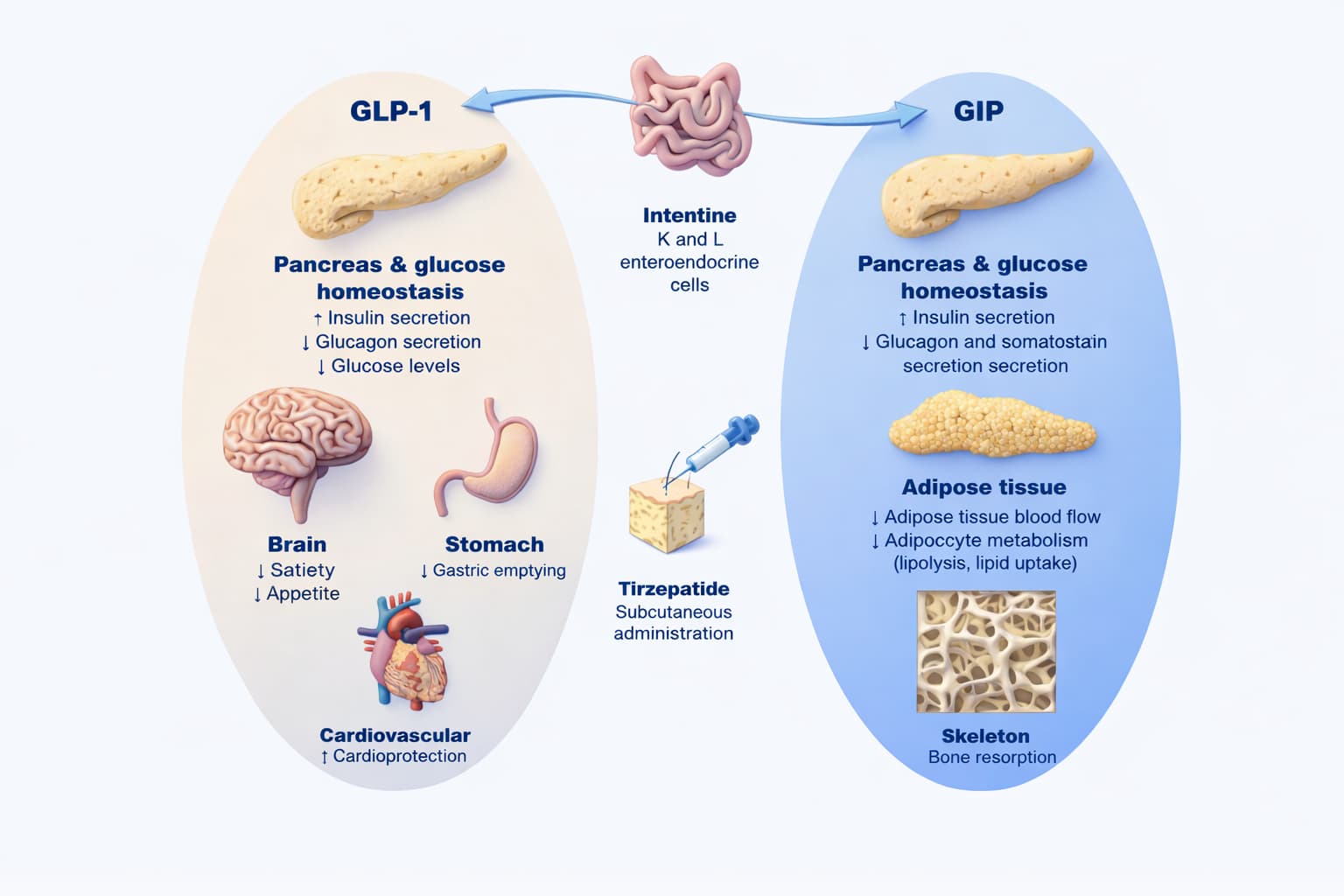
The mechanism of Mounjaro is based on the activation of two incretin pathways: GLP-1 and GIP receptors. Unlike traditional therapies that primarily target GLP-1 alone, tirzepatide delivers a combined and synergistic effect across multiple metabolic systems.
This dual activation leads to several physiological responses, including:
- increased glucose-dependent insulin secretion
- suppression of glucagon release
- delayed gastric emptying
- appetite reduction via central pathways
- improved insulin sensitivity
Importantly, the effects are not limited to the pancreas. GLP-1 and GIP receptors are also found in vascular endothelium, cardiac tissue, adipose tissue, and the central nervous system. This widespread receptor distribution explains why Mounjaro influences the body far beyond glucose control alone.
Glycemic control as a foundation of vascular health
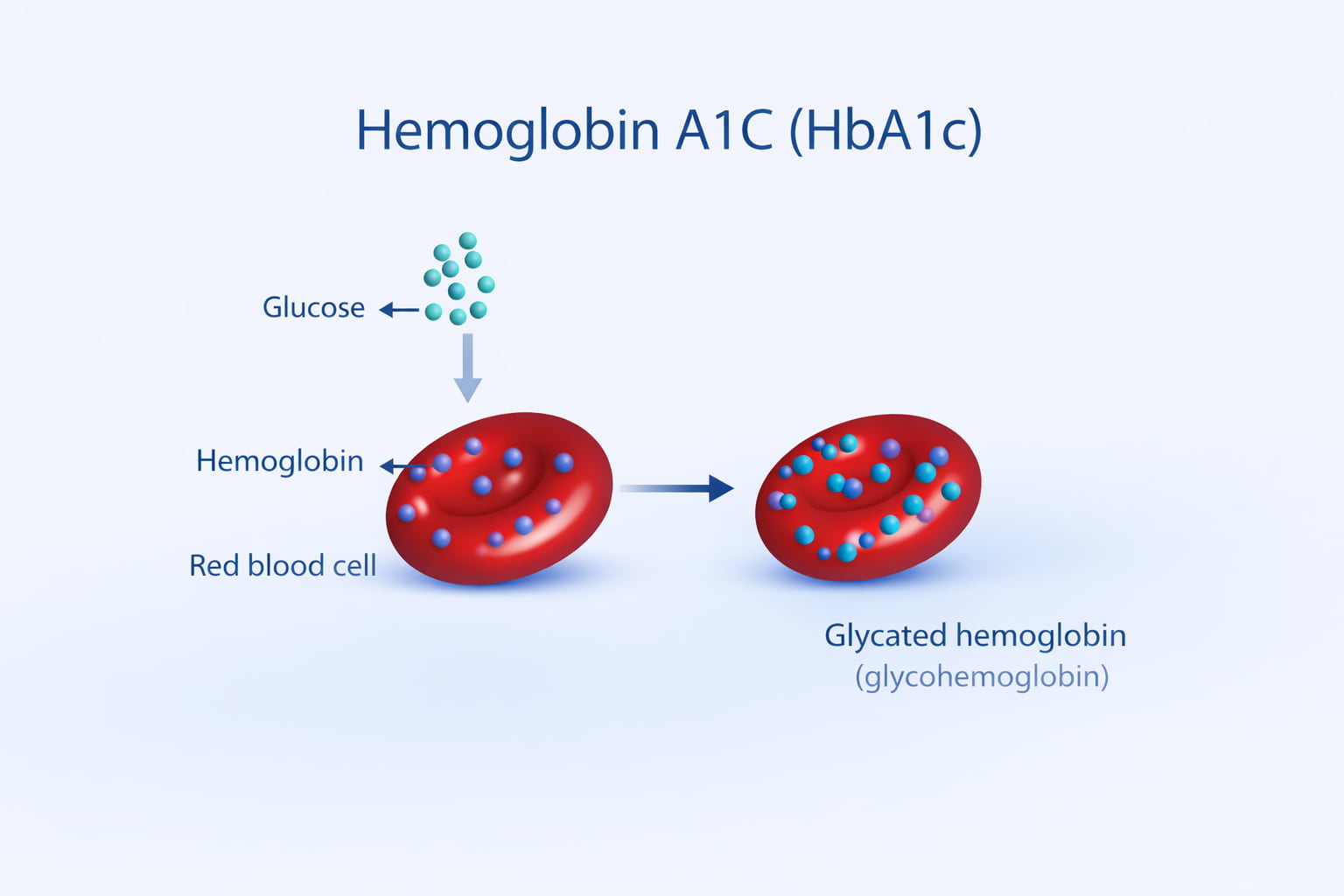
One of the most consistent outcomes of Mounjaro therapy is a significant reduction in HbA1c, typically in the range of 1.8–2.5%.
However, HbA1c should not be viewed solely as a diabetes marker. It reflects the degree of protein glycation — a process that directly contributes to tissue damage and vascular aging.
Chronic hyperglycemia initiates multiple pathological pathways, including:
- the formation of advanced glycation end products (AGEs)
- increased oxidative stress
- endothelial injury
- activation of inflammatory cascades
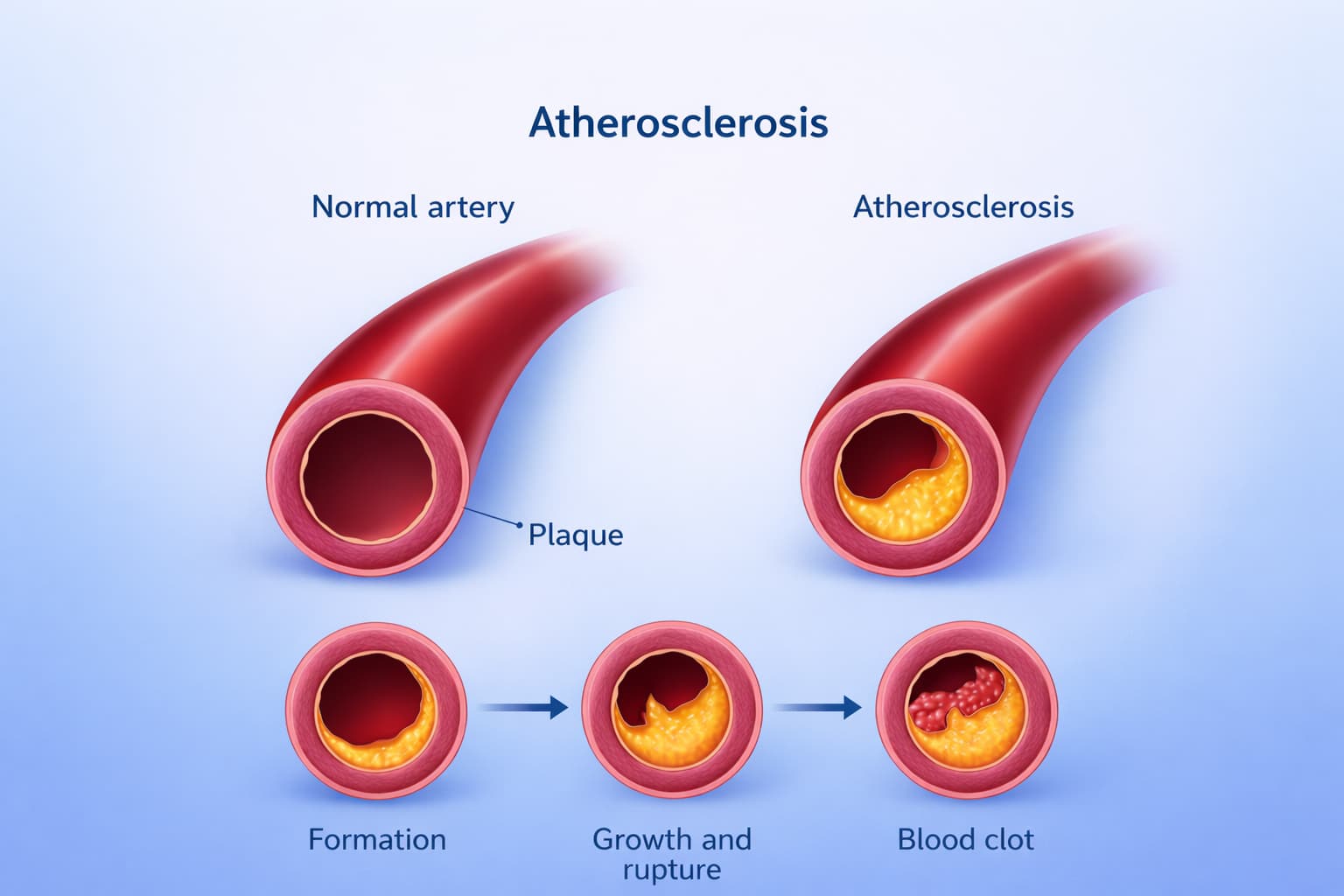
By lowering HbA1c, Mounjaro not only improves glycemic control but also slows down vascular damage. This has direct implications for preventing complications ranging from microvascular disease to atherosclerosis.
Notably, improvements in glucose metabolism have also been observed in individuals without diabetes, further supporting the systemic nature of its action.
Lipid metabolism: effects beyond weight reduction
Another important area of impact is lipid metabolism. Clinical data shows that Mounjaro contributes to reductions in LDL cholesterol and triglycerides, increases in HDL levels, and a decrease in hepatic fat accumulation.
Crucially, some of these improvements occur independently of weight loss, indicating a direct metabolic effect rather than a secondary consequence of fat reduction.
Proposed mechanisms include:
- decreased hepatic lipogenesis
- enhanced fatty acid utilization
- modulation of lipoprotein metabolism
As a result, Mounjaro can be seen as a modifier of the atherogenic profile, influencing cardiovascular risk at a deeper biological level.
Inflammation and endothelial function
Low-grade chronic inflammation plays a central role in the development of both metabolic and cardiovascular diseases. Mounjaro has demonstrated a measurable impact on inflammatory pathways, including reductions in hs-CRP and pro-inflammatory cytokines.
At the same time, improvements in endothelial function have been observed. The endothelium is a key regulator of vascular tone, coagulation, and immune signaling, and its dysfunction represents one of the earliest stages of atherosclerosis.
Under treatment:
- nitric oxide production increases
- vascular elasticity improves
- arterial stiffness decreases
These changes suggest that Mounjaro acts not only on advanced disease but also on the earliest, potentially reversible stages of vascular dysfunction.
Cardioprotection: direct effect or secondary outcome
A key question in current research is whether the cardiovascular benefits of Mounjaro are solely due to weight loss or whether they reflect a direct pharmacological effect.
Emerging evidence suggests a combination of both mechanisms, with a significant portion of benefits likely independent of weight reduction.
Clinical observations include:
- reductions in blood pressure
- improvements in diastolic function
- decreased cardiac workload
- favorable effects on cardiac remodeling
Importantly, some of these changes occur before substantial weight loss, supporting the hypothesis of a direct effect on the cardiovascular system.
The presence of GLP-1 and GIP receptors in myocardial tissue further supports the possibility of direct modulation of cardiomyocyte metabolism and mitochondrial function.
From symptom control to systemic therapy
Modern medicine increasingly recognizes obesity as a chronic metabolic disorder rather than simply excess body weight. In this context, Mounjaro represents a therapeutic tool that targets fundamental disease mechanisms.
Its use is associated with reduced overall cardiometabolic risk and may contribute to slowing the progression of chronic diseases. This reflects a broader shift toward long-term health management rather than short-term outcomes.
Limitations and clinical considerations
Despite its strong clinical profile, Mounjaro therapy requires a thoughtful and structured approach.
Long-term use is often necessary to maintain results. Discontinuation may lead to partial reversal of metabolic improvements. Individual response varies, and medical supervision remains essential.
These factors reinforce the idea that Mounjaro should be integrated into a comprehensive treatment strategy rather than used as a standalone solution.
Conclusion
Mounjaro introduces a new therapeutic model in which a single agent can influence multiple interconnected systems, including glucose metabolism, lipid balance, inflammation, vascular health, and cardiac function.
Its role extends well beyond weight loss, representing a transition toward integrated cardiometabolic therapy focused not only on physical appearance, but on reducing long-term risk and improving overall health outcomes.
In clinical practice, this approach is increasingly implemented through structured programs where Mounjaro is combined with diagnostics, nutritional support, and infusion-based therapies. Such strategies allow for a more comprehensive and sustainable improvement in metabolic health.