












Peptide Therapy for Weight Loss
Peptide Therapy for Obesity, Weight Loss, Fat Reduction, and Control of Impulsive Overeating
Peptide therapy has become one of the key directions in the treatment of obesity and weight management. However, it is most effective only as part of a comprehensive approach that includes nutrition, physical activity, behavioral work with eating patterns, and correctly selected medications. The strongest evidence today exists for incretin-based peptide analogs (GLP-1, GIP, glucagon receptor agonists), which influence appetite, satiety, and metabolism and are already included in international obesity treatment guidelines.
Which peptides actually work for obesity
The main group includes GLP-1 receptor agonists and related combinations: semaglutide, liraglutide, tirzepatide, retatrutide, and others. These drugs were originally developed for type 2 diabetes but have demonstrated significant weight loss effects in large clinical trials involving patients with obesity.
Key effects of this class include:
- significant reduction in appetite and earlier onset of satiety;
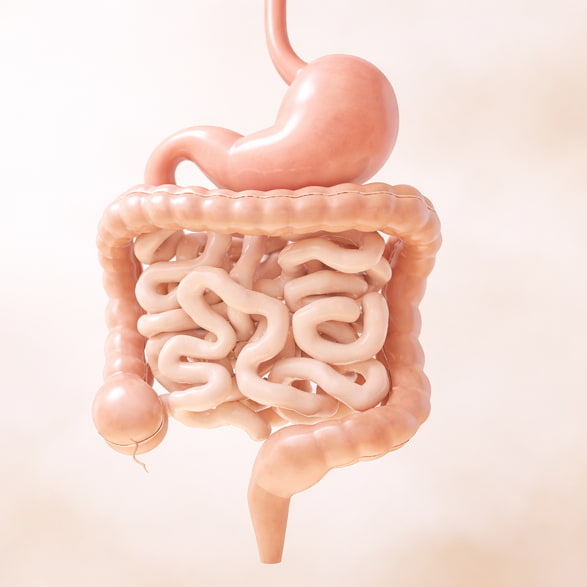
- slower gastric emptying and more stable post-meal glucose curves;
- average weight reduction of 10–15% per year when combined with diet and physical activity.
Retatrutide and other multi-receptor agonists (GLP-1/GIP/glucagon) act on multiple pathways simultaneously, further enhancing fat metabolism and weight control.
How peptides help with impulsive overeating
Obesity is not only about calories but also about the neurochemistry of hunger, stress, and reward systems. Several mechanisms are involved:
Satiety signaling. GLP-1 peptides act on brain centers regulating hunger and fullness, helping patients recognize satiety earlier and avoid overeating.
Hormonal and opioid pathways. Endogenous opioid peptides (endorphins, enkephalins) are involved in food reward behavior and are being studied as potential targets for correcting disordered eating patterns.
Emotional and compulsive eating. In practice, peptides reduce food cravings and the intensity of hunger, making it easier to work with a psychologist and build new eating habits.
However, peptides alone do not treat psychological eating disorders — they must be combined with psychotherapy, sleep correction, and stress management.
How weight loss occurs
At the physiological level, peptide therapy affects several key metabolic pathways:
- reduced meal size and frequency due to earlier satiety;
- lower cravings for high-calorie foods, especially sugar and refined carbohydrates;
- improved insulin sensitivity and glycemic control, reducing the risk of type 2 diabetes;
- preferential reduction of visceral (abdominal) fat, which is metabolically most harmful.
Combinations of peptides (for example, GLP-1 agonists with cagrilintide) show synergistic effects, leading to even greater appetite suppression and weight loss in complex cases.
Peptide therapy is one of the most effective modern medical tools for obesity management, especially GLP-1 receptor agonists and combination incretin therapies. It helps reduce appetite, control impulsive eating, and simplify adherence to a structured nutrition plan. Clinically significant results (10–15% or more body weight reduction) are achieved only within a comprehensive lifestyle approach that includes nutrition, exercise, sleep, and psychological support.
Therapy selection, dosing, and duration must always be determined by a physician after proper evaluation and risk assessment.
In essence, peptides are a powerful tool that can create a “window of opportunity” for lifestyle change, but they cannot replace it.