











Acne IV Therapy: How Infusion Treatment Supports Skin Recovery
Acne is not only a surface-level skin concern. It is often connected with multiple internal factors, including inflammation, hormonal balance, sebaceous gland activity, skin microbiome, nutrition, and overall body health.
Modern aesthetic medicine increasingly combines topical skincare with internal support approaches, including IV therapy. An acne IV drip is not a quick fix, but a supportive treatment designed to help calm inflammation, improve skin recovery, support hydration, and enhance overall skin quality.
At Refresh Dubai, IV therapy protocols are personalized based on acne severity, skin condition, nutrient balance, inflammatory factors, and individual treatment goals.
What Is an Acne IV Drip?
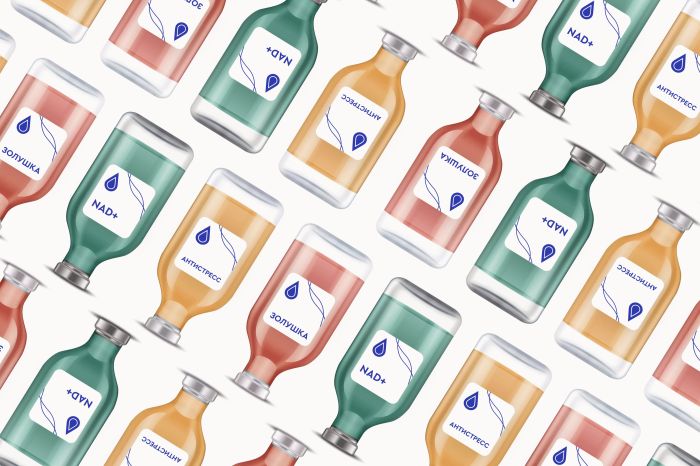
Acne IV therapy is an intravenous infusion treatment that may include vitamins, minerals, antioxidants, amino acids, and other supportive nutrients selected to improve skin recovery and metabolic balance.
This approach can be especially beneficial when acne is accompanied by persistent inflammation, slow healing, post-acne marks, stress, low energy, or nutritional deficiencies.
Depending on the individual protocol, an acne-focused IV infusion may support:
- Reduction of inflammatory processes.
- Antioxidant protection against oxidative stress.
- Improved skin regeneration and recovery.
- Support for post-acne skin repair.
- Recovery after intensive skincare treatments or flare-ups.
Benefits of IV Therapy for Acne-Prone Skin
IV therapy does not replace dermatological treatment, but it can complement an existing skincare plan and support healthier skin function from within.
Helps Calm Skin Inflammation
Selected nutrients may help reduce inflammatory stress in the body, which is especially relevant for active acne, painful breakouts, and recurring flare-ups.
Supports Skin Healing
Vitamin and amino acid complexes can support the skin's natural repair processes, helping improve recovery after inflammation and reducing the appearance of post-acne changes.
Provides Antioxidant Support
Oxidative stress can contribute to inflammation and skin imbalance. Antioxidants included in IV protocols may help support skin resilience and recovery.
Supports Skin Balance
Certain protocols may help support healthier sebaceous gland function and improve overall skin appearance.
Improves Overall Wellness
When acne is connected with stress, fatigue, or nutritional imbalance, improving overall body resources may positively influence skin condition.
What Ingredients May Be Used in Acne IV Therapy?
- Vitamin C for antioxidant and skin-supporting effects.
- B-group vitamins involved in cellular metabolism.
- Zinc to support skin health.
- Magnesium for metabolic and recovery support.
- Antioxidants to help protect cells from oxidative stress.
- Amino acids involved in tissue repair.
- Nutrients supporting immune and recovery functions.
If peptide-based approaches are considered, they should only be included as part of a physician-guided protocol. Depending on individual needs, peptides such as GHK-Cu, BPC-157, and TB-500 may be discussed when clinically appropriate.
Who May Benefit From Acne IV Therapy?
An acne IV protocol may be recommended for patients experiencing:
- Active inflammatory acne.
- Frequent breakouts and recurring flare-ups.
- Slow skin recovery after acne episodes.
- Post-acne marks and uneven skin tone.
- Skin concerns linked with stress or nutrient deficiencies.
- Insufficient results from topical skincare alone.
- Need for additional skin support before or after cosmetic procedures.
Related services