









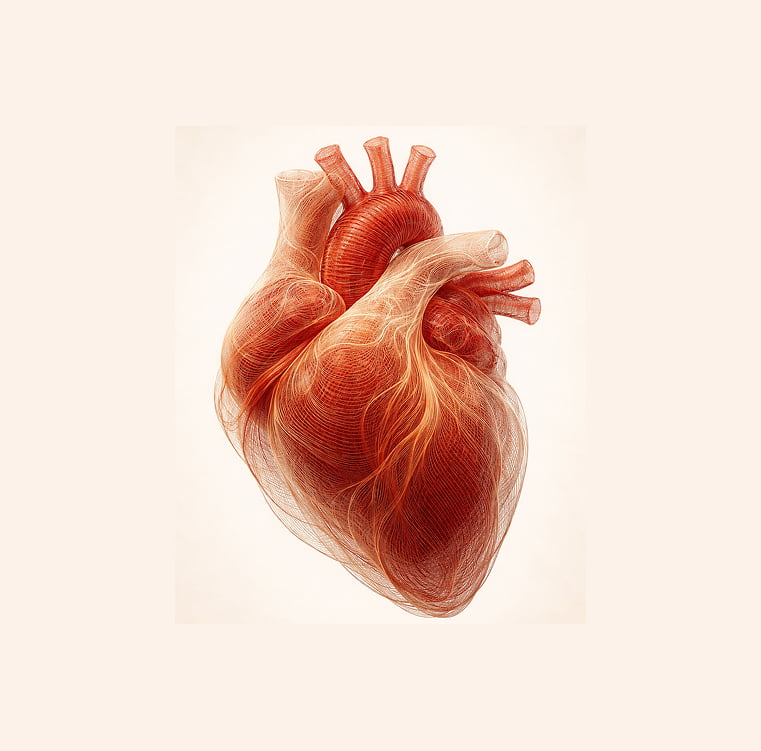



Retatrutide — next‑generation triple agonist for weight loss: what it is and why it matters

Retatrutide: a new‑generation triple agonist for weight loss
Retatrutide is an innovative injectable peptide drug in development for obesity and type 2 diabetes that activates three different hormone receptors at once: GIP, GLP‑1 and glucagon receptors. This “triple agonist” profile makes it one of the most powerful candidates in modern pharmacological weight management
Phase 2 and phase 3 trials have shown that Retatrutide can produce very substantial weight loss: in some studies, people with obesity lost over 24% of their starting body weight after 48 weeks on the highest dose, and around 28–30% with longer treatment in phase 3 data. These results exceed the effect of many existing GLP‑1 or GIP‑only medications.
However, Retatrutide is still considered an experimental medication. It remains under clinical investigation and has not yet received full regulatory approval for routine prescription in most countries.
How Retatrutide works: triple targeting of appetite, glucose and energy
Triple agonist: GIP, GLP‑1 and glucagon receptors
Retatrutide belongs to a new class of triple agonists that simultaneously activate:
-
GIP receptors (gastric inhibitory polypeptide) – enhancing the body’s response to food intake, supporting insulin release and energy balance.
-
GLP‑1 receptors (glucagon‑like peptide‑1) – reducing appetite, slowing stomach emptying and improving blood sugar control; these mechanisms are well known from current GLP‑1 drugs.
-
Glucagon receptors (GCG) – increasing energy expenditure and promoting fat mobilization, which contributes to loss of fat mass rather than just water or muscle.
This combined action helps regulate hunger, satiety, glucose levels and energy use more broadly than single‑pathway medications. It explains why Retatrutide has shown greater weight loss in trials compared with GLP‑1‑only drugs.
Key effects seen in clinical trials
Across published studies and phase 2–3 data, Retatrutide has been associated with:
-
Strong weight loss – up to 24.2% mean weight reduction at the highest dose after 48 weeks in people with obesity, and around 28% in some phase 3 cohorts over 80+ weeks.
-
Preferential fat loss – significant reduction in fat mass, including visceral fat, with preservation of lean mass compared to placebo and some active comparators.
-
Better glycaemic control – improvements in HbA1c and fasting glucose, with a large proportion of participants reaching target HbA1c in type 2 diabetes trials.
-
Improved cardiometabolic markers – lower blood pressure, improved lipid profile, reduced waist circumference and a marked decrease in liver fat (non‑alcoholic fatty liver disease).
Most side effects reported so far are gastrointestinal, such as nausea, vomiting or constipation, which is common for incretin‑based therapies. Long‑term safety and rare risks are still being actively studied in ongoing phase 3 programmes.
Retatrutide today: availability and role in obesity treatment
As of 2026, Retatrutide is not yet a routine prescription medication. It is being tested in large phase 3 trials for obesity, type 2 diabetes and metabolic liver disease, but healthcare providers generally cannot prescribe it outside regulated clinical studies.
This means:
-
Any offer to sell “Retatrutide injections” online, through social media or informal channels should be treated with extreme caution.
-
Using unapproved or counterfeit versions of experimental drugs carries serious health risks, including incorrect dosing, contamination and unknown safety profiles.
Retatrutide should only be used within official clinical trials, with strict medical monitoring and clear eligibility criteria.
Place in future weight‑loss strategies
Even the most potent weight‑loss medications do not replace:
-
Evidence‑based nutrition and sustainable eating patterns.
-
Work on metabolic health: insulin resistance, lipid profile, liver status.
-
Physical activity and lifestyle adaptations.
Retatrutide and other advanced incretin‑based therapies are best viewed as tools inside a medical weight‑management strategy, not as standalone solutions. They may become options in future for patients with significant obesity and metabolic complications, but always in combination with structured programmes and specialist care.
What is already available now at Refresh Clinic Dubai
While Retatrutide itself is still under investigation, Refresh Clinic Dubai already offers a range of advanced approaches for weight management that align with modern metabolic medicine:
-
Comprehensive medical weight‑loss programmes – including consultation, bioimpedance body composition analysis, metabolic blood work and personalised treatment plans.
-
Peptide therapy for weight loss and metabolic support – use of approved peptides and hormone‑modulating protocols to help control appetite, improve insulin sensitivity and support fat loss.
-
IV drips for detox, energy and metabolism – tailored infusions with antioxidants, vitamins and cofactors to support liver function, mitochondrial energy and overall resilience.
-
NAD+ and cellular health protocols – programmes aimed at restoring cellular energy, reducing fatigue and improving recovery capacity.
-
Nutrition and lifestyle counselling – building sustainable habits, managing stress, sleep and daily routines that underpin long‑term weight and health outcomes.
From a content/SEO perspective, this blog article can link internally to weight‑loss programmes, peptide therapy, IV drips and NAD+ pages on the Refresh Dubai site, guiding readers from information to concrete services.
FAQ: Retatrutide and triple‑agonist weight‑loss drugs
How is Retatrutide different from existing GLP‑1 drugs?
Unlike GLP‑1‑only medications, Retatrutide targets three pathways at the same time: GIP, GLP‑1 and glucagon receptors. This triple agonist mechanism influences appetite, blood sugar and energy expenditure more broadly, which has translated into greater average weight loss in clinical trials.
How much weight loss does Retatrutide achieve in studies?
In phase 2 and 3 research, people with obesity taking the highest doses of Retatrutide have lost around 17–24% of their starting body weight within 6–12 months, with some long‑term data showing close to 28–30% reduction over ~80 weeks. These figures come from controlled trial environments with close medical monitoring.
Is Retatrutide safe?
Early data suggest a safety profile broadly similar to other incretin‑based drugs, with gastrointestinal side effects (nausea, vomiting, constipation) being the most common. However, full long‑term safety – including rare risks and effects in specific populations – is still under investigation in ongoing phase 3 trials.
Can I buy Retatrutide online or use it on my own?
No. Any attempt to use experimental drugs outside official clinical studies is strongly discouraged. Unapproved products sold online may be counterfeit, incorrectly formulated or contaminated, and using them without professional supervision can be dangerous.
What are realistic options for medical weight loss in Dubai right now?
Refresh Clinic Dubai offers medically supervised weight‑loss programmes, peptide therapy, IV drips and metabolic optimisation protocols that are based on existing regulatory approvals and clinical evidence.
Related services